














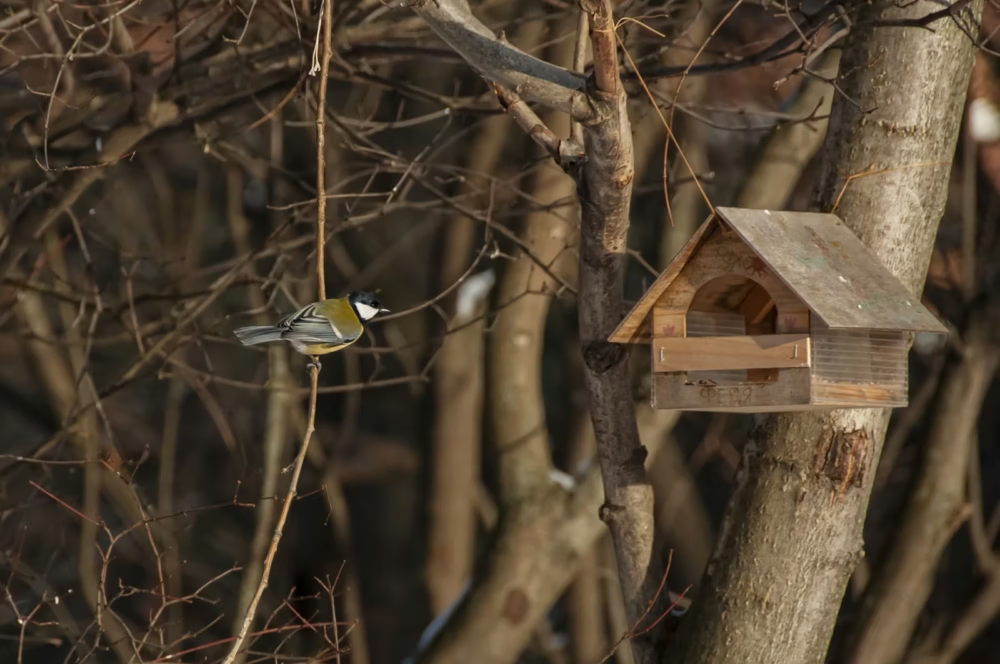

Green-fingered Brits are being urged to regularly maintain bird feeders in their gardens to ensure that birds have access to a food source in the cold weather.
Experts at GardeningExpress.co.uk have named five ways homeowners can protect bird feeders and help local bird populations stay nourished through the winter. As temperatures drop, natural food sources become scarce and many birds depend on garden feeders to survive. But without proper care, feeders can become damaged by frost and mould, or clogged by ice, making them unsafe or unusable for visiting wildlife.
Before installing a bird feeder, it’s worth checking if it’s suitable for frosty and wet weather. Not all feeders are fit for year-round use, so opt for sturdy feeders that are made of durable materials like metal or heavy-duty plastic. Positioning the feeder in a sheltered spot, near trees, hedges or fences, can also help it withstand winter showers and strong winds.
It’s important to prevent mould from developing, as damp conditions can quickly lead to bacteria growth and make feeders unsafe for birds. The main things to look out for are wet, clumped or discoloured bird food, which should be removed immediately.
To protect bird feeders from cats and other wildlife, make sure they’re positioned high enough and away from potential predators.
Chris Bonnett, the founder of GardeningExpress.co.uk said: “Winter is an incredibly challenging time for birds, so anything homeowners can do to keep them nourished when natural food sources are scarce can make all the difference. While putting up a feeder in the garden is the first step in supporting birds in cold weather, it’s also crucial to maintain it to keep the food fresh and accessible, prevent mould and protect it from other wildlife. Opting for a durable feeder, positioning it in a sheltered spot, and cleaning it regularly can ensure that your garden is a reliable feeding spot for local birds in winter.”
Here are GardeningExpress.co.uk‘s five tips for protecting bird feeders in the cold:
1. Choose a weather-resistant feeder
When installing a feeder, choose one that can hold up in the UK’s harsh winter weather conditions. Feeders made from metal or heavy-duty plastic are ideal, as they can resist frost, rain and strong winds.
2. Position in a sheltered spot
Place feeders near trees, hedges or fences to provide natural protection from wind and rain. A sheltered location also makes it easier for birds to feed comfortably and helps prevent food from getting wet or frozen.
3. Prevent mould growth
Regularly check feeders for wet and clumped bird food, as it can quickly become a breeding ground for mould and harmful bacteria, potentially harming birds. It’s important to regularly empty, clean and dry feeders before refilling to keep food fresh and safe.
4. Clear ice and snow
During cold spells, snow and ice can block access to food. Brush off snow, break up ice and make sure feeding ports remain open so birds can reach food without difficulty.
5. Protect from cats, squirrels and other wildlife
Position feeders high enough and away from potential predators to keep birds safe while they feed.

| [donate]
| Help keep news FREE for our readersSupporting your local community newspaper/online news outlet is crucial now more than ever. If you believe in independent journalism,then consider making a valuable contribution by making a one-time or monthly donation. We operate in rural areas where providing unbiased news can be challenging. |