











From leaving an old sofa outside with a “FREE” sign to trusting the wrong man with a van, a rubbish removal expert reveals the everyday disposal mistakes households may not realise can have financial consequences
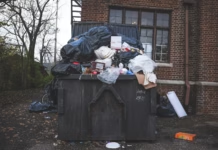
UK households are being warned to think twice about how they get rid of unwanted rubbish, as a government crackdown increases the consequences for waste offences.
The government announced this summer that the maximum on-the-spot fine for fly-tipping is increasing to £5,000, while households themselves also have a legal responsibility to take reasonable steps to ensure their waste is passed to an authorised person. That means simply paying someone to take an unwanted sofa, mattress or pile of rubbish away does not necessarily remove your responsibility for what happens to it. Miroslav Radov, founder of Rainbow Rubbish Removals, has revealed some of the everyday waste disposal mistakes households should be particularly careful about.
Paying someone to take your rubbish without checking who they are
One of the biggest mistakes can happen before the rubbish has even left your home.
Miroslav said: “Someone offering to take away a sofa, mattress or garage full of rubbish for a cheap cash price can seem convenient, but you need to know who you are handing your waste to. Householders have a duty of care when disposing of their waste. If your rubbish is later found dumped illegally and traced back to you, you may be asked to show that you took reasonable steps to make sure the person collecting it was authorised. Before agreeing to a collection, check who you are dealing with and whether they are authorised to carry waste. I’d also recommend keeping the business details and a receipt where possible.”
In England, breaching the household waste duty of care can currently result in a fixed penalty notice of up to £600.
Leaving unwanted furniture outside with a “FREE” sign
Putting an unwanted sofa, chair or mattress outside and adding a “free” sign might feel very different from deliberately dumping it. However, households should not assume that a sign automatically makes leaving an unwanted item on the pavement acceptable.
Miroslav said: “If you no longer want something, the safest option isn’t to put it outside and hope somebody takes it. People often think adding a ‘free’ sign changes the situation, but if that item is left somewhere it shouldn’t be, you could potentially create a waste or obstruction problem. Arrange a legitimate collection, use the appropriate council service or take it to an authorised facility instead.”
Putting rubbish in somebody else’s skip
Seeing a half-empty skip outside a neighbour’s house can be tempting if you only have one or two things to throw away, but households should never assume they can use it.
Miroslav said: “A skip has been hired and paid for by somebody else. You don’t have permission to use it simply because there appears to be room. You also don’t know what type of waste that skip has been hired to take. Adding something that shouldn’t be there can create another problem for the person who booked it. If you’ve got something bulky to dispose of, arrange your own legitimate disposal rather than treating a skip on the street as a public bin.”
Dumping garden waste because it will “decompose anyway”
Grass cuttings, branches, soil and plants might be natural, but that does not mean they can simply be dumped on public or private land.
Miroslav said: “This is one I think genuinely surprises people. There can be a mentality that garden waste isn’t really rubbish because eventually it will break down. But taking a load of garden waste and dumping it in woodland, on a verge or somewhere else you don’t have permission to leave it is not a legitimate way of disposing of it. Natural doesn’t automatically mean you can dump it wherever you like.”
Leaving rubbish next to a bin when the bin is full
Another common mistake is assuming you’ve disposed of something correctly simply because you’ve taken it to a bin.
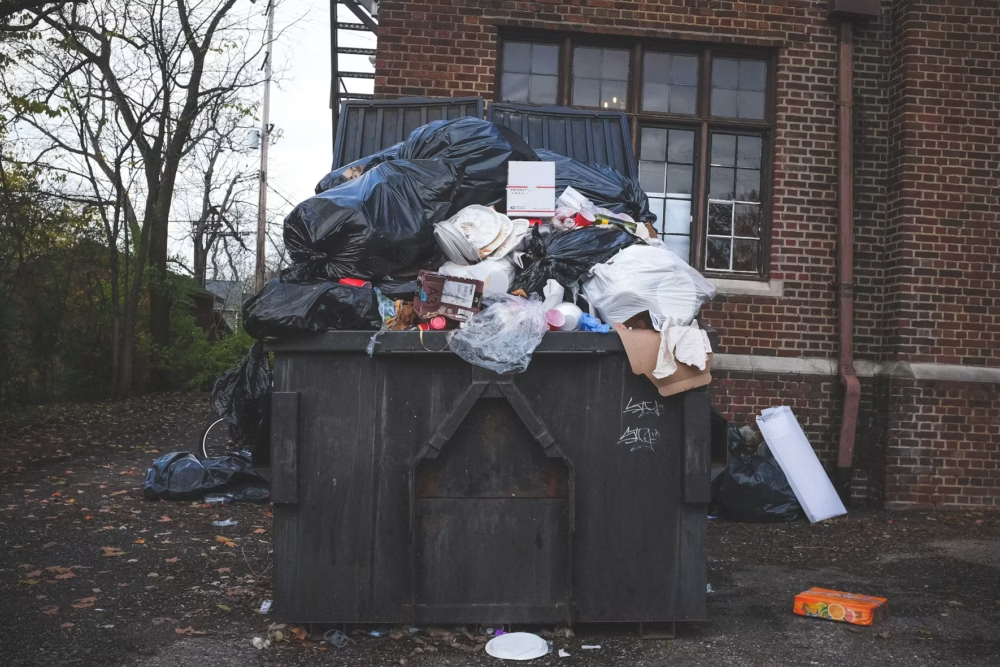
Miroslav said: “If a public or communal bin is full, don’t use the ground around it as an extension of the bin. Leaving bags, boxes or other rubbish beside it can create litter, obstruction and vermin problems. The same goes for communal bin areas. Living in a block of flats doesn’t automatically mean you can leave a mattress or unwanted furniture beside the bins and assume somebody will collect it.”
Assuming everything can go in general rubbish or a skip
Batteries, electrical items, paint, gas cylinders and some types of renovation waste may require different disposal methods.
Miroslav said: “People clearing a garage or renovating a house will often put everything into one pile, but not every type of waste should be treated in the same way. Batteries are a particularly important example because damaged or incorrectly disposed lithium batteries can create a serious fire risk. Before throwing an unusual item into your household rubbish or a skip, check how your local authority says it should be disposed of. It takes a couple of minutes and could prevent a much bigger problem.”
Assuming your rubbish stops being your responsibility when it leaves the driveway
Miroslav says this is the misconception he would most like households to understand.
He added: “One of the biggest misconceptions we see is that once you’ve paid somebody and they’ve driven away, whatever happens next is nothing to do with you. That isn’t necessarily the case. If you’re having a house clearance, getting rid of old furniture or you’ve accumulated rubbish after DIY work, don’t automatically choose whoever gives you the cheapest quote. A legitimate rubbish removal company should be able to tell you who they are, how your waste is being handled and give you the information you need to know you’re handing it over responsibly. A cheap rubbish collection isn’t much of a bargain if your waste ends up dumped down a country lane.”
Government steps up action against waste offences
The warning comes amid a wider government crackdown on waste crime in England. In July 2026, the government announced that the maximum fine councils can issue for fly-tipping would increase to £5,000, up from £1,000. Government figures also show councils carried out 572,000 fly-tipping enforcement actions during 2024/25, an increase of 8% from the previous year, while 69,000 fixed penalty notices were issued. Further proposals announced in August could see fly-tippers required to carry out up to 20 hours of unpaid clean-up work and pay towards the cost of clearing the waste they dumped.

| [donate]
| Help keep news FREE for our readersSupporting your local community newspaper/online news outlet is crucial now more than ever. If you believe in independent journalism,then consider making a valuable contribution by making a one-time or monthly donation. We operate in rural areas where providing unbiased news can be challenging. |