








- To mark World Mental Health Day (October 10), parents have shared their experiences of perinatal mental health problems.
- Up to one in five mums and one in 10 dads in the UK experience perinatal mental health issues.
- Wales currently has no specialist mother and baby unit.
A MOTHER from Caernarfon, who struggled with her mental health following the birth of her daughter, has joined the NSPCC in calling for specialist mother and baby units to be available in Wales.
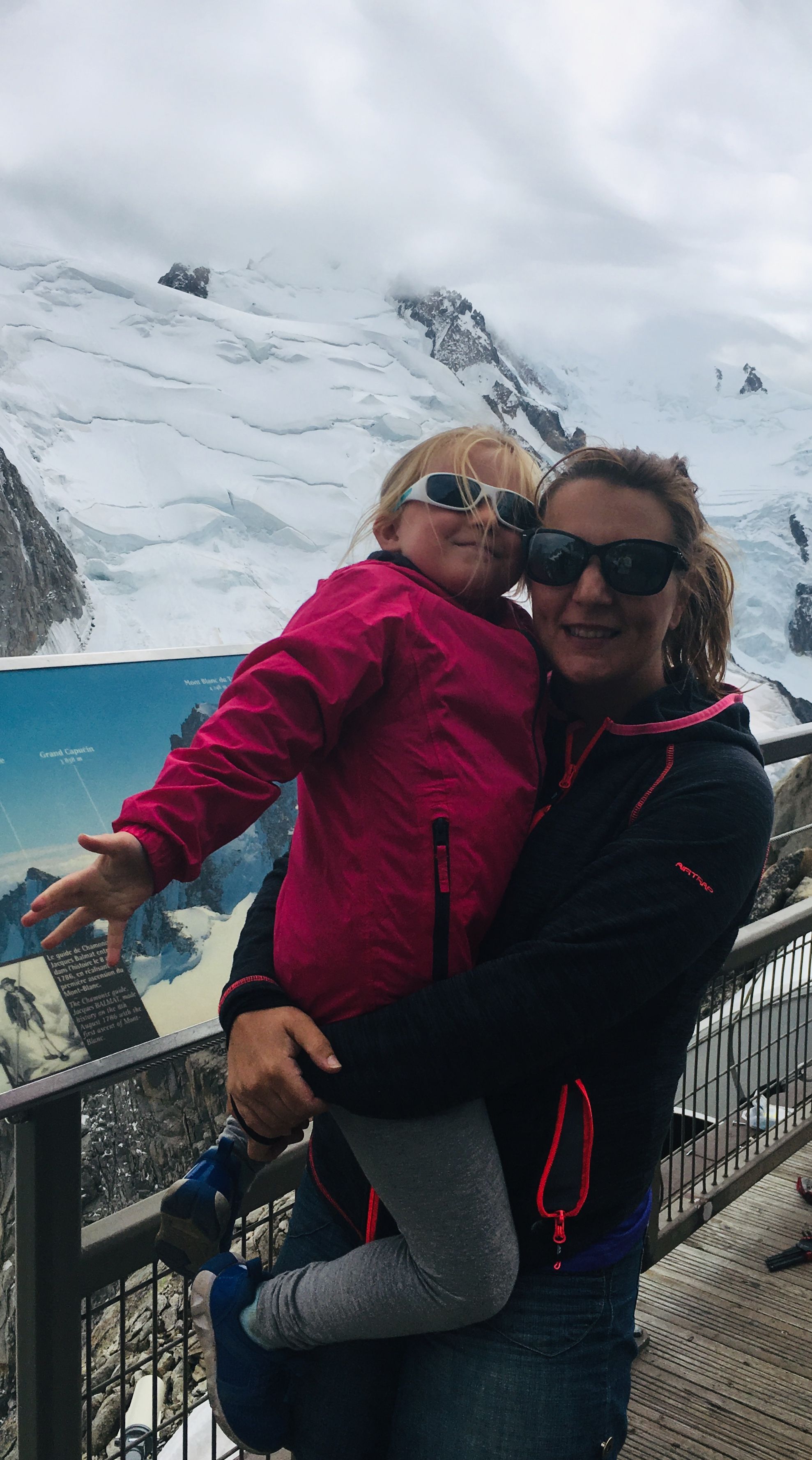
On World Mental Health Day (10th October), Sally Wilson, whose daughter Ella was born in 2015, has shared her story of experiencing postpartum psychosis, a severe, but treatable, mental health condition that can occur after having a baby.
She is also supporting NSPCC Cymru/Wales’ Fight for a Fair Start campaign which is calling for improved perinatal mental health provision for parents during pregnancy and following birth.
Perinatal mental health problems are one of the most common complications experienced during pregnancy and after birth with up to one in five women – and up to one in 10 dads – affected.
The NSPCC estimates that approximately 6,000 new mothers every year will experience perinatal mental health problems.
If left untreated, these conditions can have a devastating impact on women and their families, making it harder for parents to provide the care babies need for healthy social, intellectual and emotional development.
Despite this, there is currently no specialist mother and baby unit provision for mothers and their families experiencing the most severe conditions associated to perinatal mental health.
Sally was placed on a general adult psychiatric ward after developing delusions and hallucinations, and believing that she had harmed her newborn daughter. However, her condition continued for almost a year.
“I developed postpartum psychosis just days after the birth of my daughter, Ella, after experiencing delusions and hallucinations. I was terrified I had harmed her,” said Sally.
“It was scary and traumatic on the psychiatric ward. I was discharged after a few weeks and received outpatient treatment.
“I continued to have psychotic symptoms for 10 months, developing severe depression and suicidal thoughts.”

Sally credits the supportive network around her of her family, friends and partner, but also the charity Action on Postpartum Psychosis (APP) which she believes ‘saved her life’.
“APP signposted me to a specialist perinatal psychiatrist in Wales and provided vital information and peer support. Ultimately, this saved my life,” she said.
“I believe I have recovered from postpartum psychosis, but I think about what happened a lot. I think about how scary and horrific it all was.
“I do get sad sometimes about missing out on the early years of Ella’s life, but I also think about how lucky I am to be here, healthy and happy.”
Sally, who now works with APP and co-ordinates training for health professionals in postpartum psychosis, believes the access to the correct treatment is key for parents who struggle with issues around perinatal mental health.
“There weren’t any specialist perinatal mental health teams where I lived in north Wales when I was ill, and the nearest mother and baby unit was quite far away, so it took me a long time to access the correct treatment,” said Sally.
“I think this prolonged my recovery from a very scary, cruel, severe mental illness.”
NSPCC Cymru/Wales welcomes the Welsh Government’s commitment to establishing a mother and baby unit in Wales.
However, specialist provision needs to be urgently established and available for all women and their families in Wales experiencing the most severe perinatal mental health problems.
Dr Sarah Witcombe-Hayes, a senior policy researcher at NSPCC Cymru/Wales, said:
“Mums and dads in Wales are still not receiving all aspects of mental health support that they need to recover from perinatal mental health problems, and to give their babies the best start in life.
“Experiencing perinatal mental health problems can make it harder for parents to provide the sensitive and responsive care that babies need at such an important time, and that is why it is so crucial to have the right support in place
It is vital that all women and their families affected by the most serious problems can access potentially lifesaving treatment and support from a mother and baby unit in Wales when they need it.”
Dr Jess Heron, the CEO of APP, said: “We welcome the NSPCC’s campaign as most women who develop postpartum psychosis will need admission to a specialist ‘mother and baby unit’.
“It is not right that women who become ill in Wales have to be admitted far away from their families in England, or risk remaining ill for longer than they should do; being separated from their infant; or even risk tragic outcomes.
“We fully endorse the call made by NSPCC for women to have immediate access to a ‘mother and baby unit’ within a reasonable distance of their home if they need it, and to have access to specialist care within perinatal mental health teams wherever they live.”
In Wales, the NSPCC is inviting people to support the Fight for Fair Start campaign by writing to their AM.

| [donate]
| Help keep news FREE for our readersSupporting your local community newspaper/online news outlet is crucial now more than ever. If you believe in independent journalism,then consider making a valuable contribution by making a one-time or monthly donation. We operate in rural areas where providing unbiased news can be challenging. |