















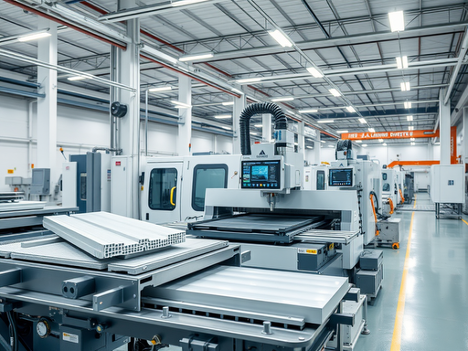

As aluminium continues to play an important role in construction, automotive, and architectural design, the demand for precision and efficiency in its fabrication has never been higher. To keep up, manufacturers are integrating advanced machinery into their workflows — not just to boost output, but to improve consistency and reduce material waste.
Automation and digital control systems have transformed aluminium fabrication, allowing businesses to maintain high standards while handling increasingly complex designs and tight deadlines.
Enhancing Accuracy with Advanced Systems
High-performance machinery brings greater accuracy to every stage of aluminium processing. Whether cutting, drilling, or milling, the margin for error is significantly reduced when operations are computer-guided and sensor-monitored. This minimises rework and helps maintain uniformity, even across large batches.
Equipment from trusted sources such as Fom Industrie is often used in these environments, as it supports automated workflows while still offering operators a high level of control. These systems are typically designed with integrated software, allowing seamless data sharing between design and production stages.
Streamlining Production Workflows
When machines are properly integrated into the broader manufacturing system, they reduce the need for manual intervention and free up staff for more skilled tasks. For example, automatic material feeders and positioning systems can handle large aluminium profiles with minimal handling, reducing the risk of damage.
Time-consuming processes like manual measurement or alignment are replaced by pre-set configurations and sensors that guide each step. This not only saves time but also supports safety and repeatability — two pillars of modern industrial efficiency.
Minimising Waste and Maximising Yield
One of the key advantages of modern fabrication machinery is its ability to optimise material usage. Software programs can map cuts and processes in advance, reducing offcuts and ensuring every piece of aluminium is used as efficiently as possible.
Some systems also allow for real-time adjustments based on material behaviour, meaning the machinery can adapt slightly during a run without the need for a full reset. This flexibility helps reduce waste and improve overall yield, contributing to more sustainable operations.
The Importance of Ongoing Training and Maintenance
Integrating high-tech equipment is only the first step. Regular training ensures that staff understand both the capabilities and limitations of the machinery they’re working with. Even the most automated systems require informed human oversight to reach their full potential.
Preventive maintenance is also crucial. Machines that are well looked after will operate more efficiently, last longer, and reduce the chance of costly downtime. Daily checks and scheduled servicing should be standard practice in any fabrication plant aiming to keep operations running smoothly.
When it’s done right, modern machinery integration isn’t just about speed — it’s about building a system that supports long-term performance, precision, and adaptability in a demanding industry.

| [donate]
| Help keep news FREE for our readersSupporting your local community newspaper/online news outlet is crucial now more than ever. If you believe in independent journalism,then consider making a valuable contribution by making a one-time or monthly donation. We operate in rural areas where providing unbiased news can be challenging. |




What strategies can aluminium fabrication plants implement to ensure effective staff training and preventive maintenance for high-tech machinery to maximize long-term performance?