















The Met Office revealed temperatures reached a scorching 34 degrees in some parts of the UK on Tuesday (recording hotter than Barbados!), meaning summer has well and truly hit. So, beach days and picnics are sure to be high on the list of family activities this weekend.
Dog Friendly Retreats is urging dog owners to take extra care, not just for their pets’ safety, but to avoid unexpected vet bills that could put a serious dent in their warm weekend. From lesser known beach risks, to picnic foods to be wary of, below you can find a list of warnings for dog owners this weekend as well as advice and tips of how to take care.
From garden get-togethers to coastal walks, many summer activities come with hidden dangers for dogs. Some of the most popular foods and outdoor locations can pose serious health risks, and in many cases, result in emergency treatments costing hundreds or even thousands of pounds.
Here are just a few examples of what to look out for:
Toxic Picnic Foods
Picnic staples like grapes, chocolate, and onions can be highly toxic to dogs, even in small amounts. Accidental ingestion of these common ingredients can cause anything from vomiting and seizures to life-threatening conditions like kidney failure or haemolytic anaemia.
Cooked Bones & Corn Cobs
While dogs may beg for leftovers, cooked bones and corn cobs are choking hazards and can splinter or block the digestive tract, often requiring costly surgical intervention.
Blue-Green Algae at the Beach
As the algae season begins, dog owners should be especially cautious around lakes, rivers, and beaches. Some algae blooms can be fatal, even with limited exposure such as licking wet fur. The treatment for poisoning is intensive and often not covered by pet insurance.
Dry Drowning & Coastal Hazards
A fun dip in the sea could lead to dry drowning, a rare but dangerous condition that causes respiratory distress hours after swimming. Other lesser-known risks include foxtails, which can burrow into ears and paws, oil residue that irritates skin, and leftover fishing bait, which may contain hooks or toxins.
Is it too hot for your dog?
If the temperature rises above 20°C (68°F), especially in full sun, dog owners should reconsider walks, and avoid strenuous activity altogether if it’s over 23°C (73°F), as dogs can overheat quickly, particularly flat-faced breeds, puppies, and older dogs. To keep them cool, walk early or late in the day, stick to shaded paths, avoid hot pavements (if it’s too hot for your hand, it’s too hot for their paws), and ensure constant access to fresh water. Use cooling mats, damp towels, or provide shade if outdoors, and never leave dogs in cars or enclosed spaces. Watch for signs of overheating such as panting, drooling, lethargy, vomiting, or confusion, and seek immediate veterinary help if heatstroke is suspected.
“It’s easy to underestimate the dangers of a seemingly innocent family outing,” says Josh Williams, owner of Dog Friendly Retreats. “From picnic baskets to beach puddles, small mistakes can lead to big problems, not only for your dog’s wellbeing, but your finances too.”
To help your audience enjoy a worry-free summer holiday, Dog Friendly Retreats has also provided expert tips on dog-safe picnic snacks and beach safety checks to share in your piece.
Dog-Safe Picnic Snacks
If you’re enjoying a picnic with your pup, these foods are safe (in moderation):
- Carrot sticks – Low-calorie, crunchy and good for your dogs teeth.
- Apple slices (no seeds) – Packed with vitamins but make sure to remove the core and the seeds in the same way you might for a small child.
- Cucumber slices – Hydrating and gentle on the stomach and great for those hotter days.
- Plain cooked chicken or turkey (boneless, skinless) – High-protein and safe if unseasoned.
- Blueberries or strawberries – Antioxidant-rich and great as a refreshing treat.
Beach Safety Checks
Things dog owners should check for before letting their dogs roam the coast:
- Look for signs of blue-green algae – Avoid water with green scum or suspicious patches.
- Watch for oil or tar residue – Dark sticky patches can irritate skin and are toxic if licked.
- Inspect for foxtails or sharp grasses – After walks, check paws, ears, and coat for barbed seeds.
- Scan for leftover bait or litter – Dogs may eat harmful fishing bait or trash.
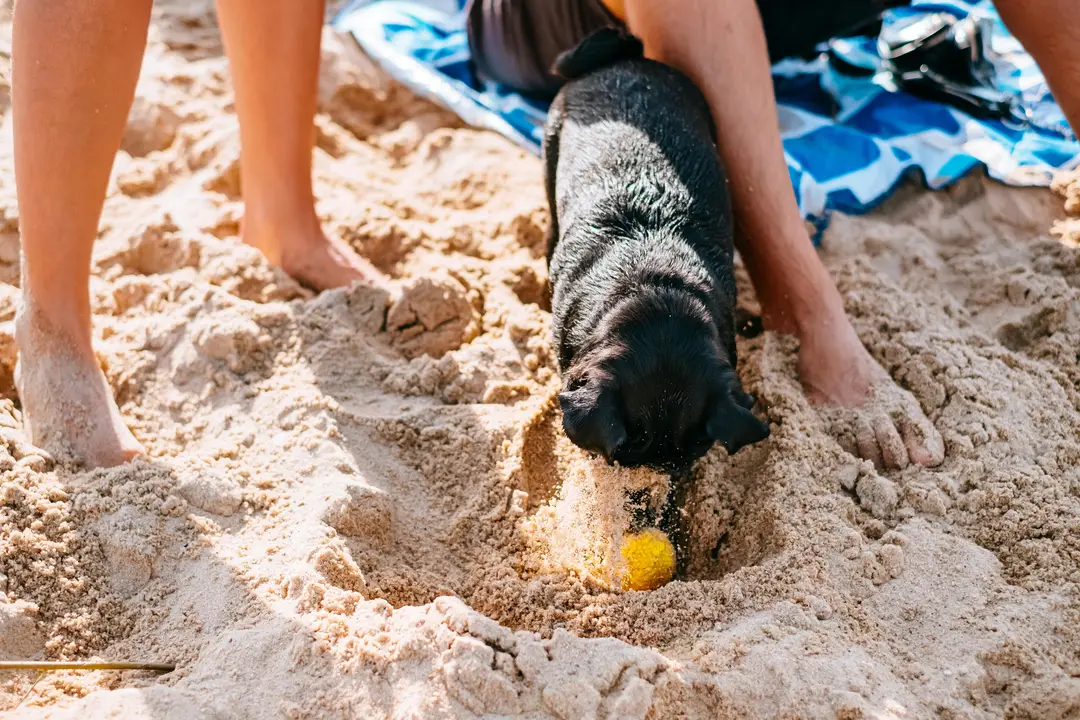
- Rinse or wipe your dog post-beach – To remove salt, sand, algae, or potential toxins.

| [donate]
| Help keep news FREE for our readersSupporting your local community newspaper/online news outlet is crucial now more than ever. If you believe in independent journalism,then consider making a valuable contribution by making a one-time or monthly donation. We operate in rural areas where providing unbiased news can be challenging. |