















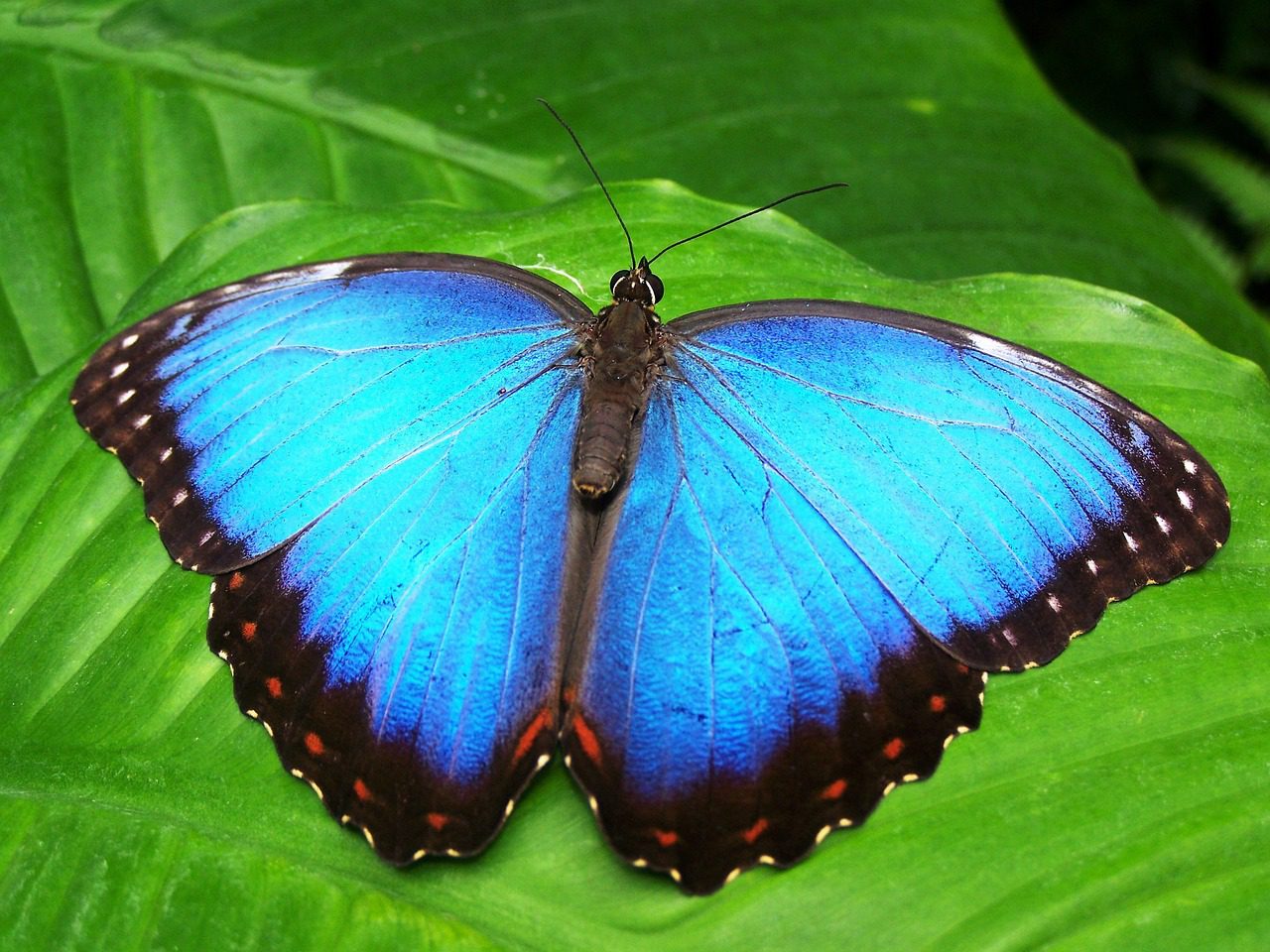

As the Big Butterfly Count approaches (18th July to 10th August), British Garden Centres is encouraging gardeners to create nectar-rich gardens that attract and support butterflies throughout the summer and beyond. With a diverse range of plants readily available in garden centres across the UK, gardeners can easily transform their outdoor spaces into thriving butterfly havens for this year’s count. British Garden Centres have put together some tips to get your garden a flutter with butterflies and pollinators alike.
Butterfly friendly plants
Get ready for the Big Butterfly Count with our selection of plants that not only add colour and texture to your garden but also provide essential nectar and pollen for butterflies.
Scabiosa: Also known as the pincushion flower, Scabiosa is beloved by butterflies, making it an ideal candidate for a wildlife garden. It is drought-tolerant and thrives in well-drained soil, making it suitable for dry gardens. It also makes excellent cut flowers, lasting up to 10 days in arrangements, and its dried seed heads add texture to bouquets.
Sunflowers: These are a stunning and cheerful addition to any garden as their large, pollen rich flower heads attract a wide range of butterflies and bees with their sunny yellow blooms. Sunflowers are easy to grow from seed or as young plants and thrive in full sun, making them a perfect summer focal point.
Cosmos: Another excellent choice for butterfly gardens with these bright, daisy like annuals that will bloom profusely throughout summer and come in shades of pink, white, and red. Their open flower structure allows butterflies to easily access nectar, and they flourish in sunny borders or containers.
Echinacea: Also known as coneflowers, these are perennial favourites for attracting butterflies such as red admirals and peacocks. Available in many different colours, Echinacea produce large, daisy-like flowers with large central cones packed with nectar, which will bring pollinators flocking. They prefer sunny, well-drained positions and will flower from mid to late summer.
Asters: These perennials bloom well into autumn, providing vital late season nectar for butterflies preparing for winter. Their beautiful flowers are loved by butterflies and come in shades of purple, pink, and white, creating a beautiful, naturalistic display.
Salvia: Available to plant now, salvias are hardy perennials that produce spikes of nectar rich flowers in blues, purples, and reds. Salvias are loved by butterflies and bees and do well in sunny, sheltered spots with their long flowering period ensuring a steady supply of nectar throughout summer.
Dianthus: Dianthus is excellent for butterflies because its bright, open flowers produce abundant nectar and pollen, attracting pollinators for a long flowering season from spring to autumn. It has a sweet, spicy fragrance which is often compared to cloves or cinnamon and helps lure these insects, supporting biodiversity in the garden. Look for varieties with more open flower shapes, like Pink Kisses and Flutterburst, that are especially favoured by butterflies.
Verbena bonariensis: Verbena is a tall, wiry perennial with clusters of small purple flowers that attract butterflies from midsummer to autumn with its lilac flower heads. Its delicate stems add height and movement to borders and are perfect for natural style gardens.
Agastache: Much like Salvia, Agastache offers spikes of fragrant pink, blue or purple flowers that butterflies find irresistible. It thrives in sunny, well-drained soil and is drought-tolerant, making it a practical choice for low maintenance gardens that want to attract pollinating insects.
Sedum: Butterflies and bees love this succulent perennial that blooms in late summer and autumn, providing crucial nectar when many other plants have finished flowering. Its flat topped flower heads are easy for butterflies to land on, and its drought resistance makes it ideal for sunny, dry borders or rockeries.
Geraniums: These are hardy, low maintenance plants that produce nectar and pollen, attracting butterflies throughout the summer. They fill gaps in borders and thrive in both sun and partial shade and also look good in containers and window boxes.
Butterfly friendly herbs
Many common garden herbs are also excellent for butterflies. Lavender remains a top pick for its abundant nectar and strong fragrance, which also helps deter pests. Catmint produces long lasting flower spikes that attract butterflies repeatedly through the season, while thyme, oregano, and rosemary offer smaller flowers that provide additional nectar sources.
Butterfly friendly shrubs
Hebeis a compact, hardy plant with spiky flowers in shades of white, pink, and purple blooms from summer into autumn and is a magnet for butterflies and other pollinators.Honeysuckle is another excellent choice, with its fragrant flowers full of nectar that attract butterflies and moths.
Ivyis often overlooked but is vital for late-season nectar, and it blooms in autumn when few other plants flower, supporting butterflies preparing for winter. Ivy also provides berries that feed birds, enhancing garden biodiversity and keeping feathered friends with a nutrient source in colder months.
Join the Big Butterfly Count 2025
From 18th July to 10th August, the Butterfly Conservation and British Garden Centres invite everyone to participate in the Big Butterfly Count by planting butterfly friendly flowers and spending 15 minutes counting butterflies in their garden or local green spaces. It’s free and is a fun way to get outside and connect with nature whilst collecting important scientific data at the same time. Research by the Butterfly Conservation also shows that counting butterflies for just 15 minutes reduces anxiety by 9%.
For more information on plants and gardening tips, visit your nearest British Garden Centre or explore their website at www.britishgardencentres.com. To join the Big Butterfly Count and submit your sightings, visit the website www.bigbutterflycount.org <http://www.bigbutterflycount.org>
Julian Palphramand, Head of Plants at British Garden Centres,said: “For the Big Butterfly Count, we’ve made it easier than ever for gardeners to support these vital pollinators. Our centres are brimming with top-quality plants that butterflies adore. By choosing just a few of these, you’re not just adding beauty to your garden; you’re directly helping to boost butterfly populations. Come in and let us show you how simple it is to make your count a successful one!”
British Garden Centres (BGC) is the UK’s largest family-owned garden centre group with 73 centres around the country. The group is owned and led by the Stubbs family, who also own and operate Woodthorpe Leisure Park in Lincolnshire.
BGC was launched in 1990 with the opening of Woodthorpe Garden Centre by brothers Charles and Robert Stubbs. Since 2018, it has expanded rapidly with the acquisition of 50 garden centres, allowing it to grow from its heartland to the business it is now, with 73 garden centres spread from Carmarthen to Ramsgate, Wimborne to East Durham.
The group has a team of 3000 colleagues working across the garden centres, restaurants, growing nurseries, distribution centres, Woodthorpe Leisure Park, and Woody’s Restaurant & Bar.

| [donate]
| Help keep news FREE for our readersSupporting your local community newspaper/online news outlet is crucial now more than ever. If you believe in independent journalism,then consider making a valuable contribution by making a one-time or monthly donation. We operate in rural areas where providing unbiased news can be challenging. |