
















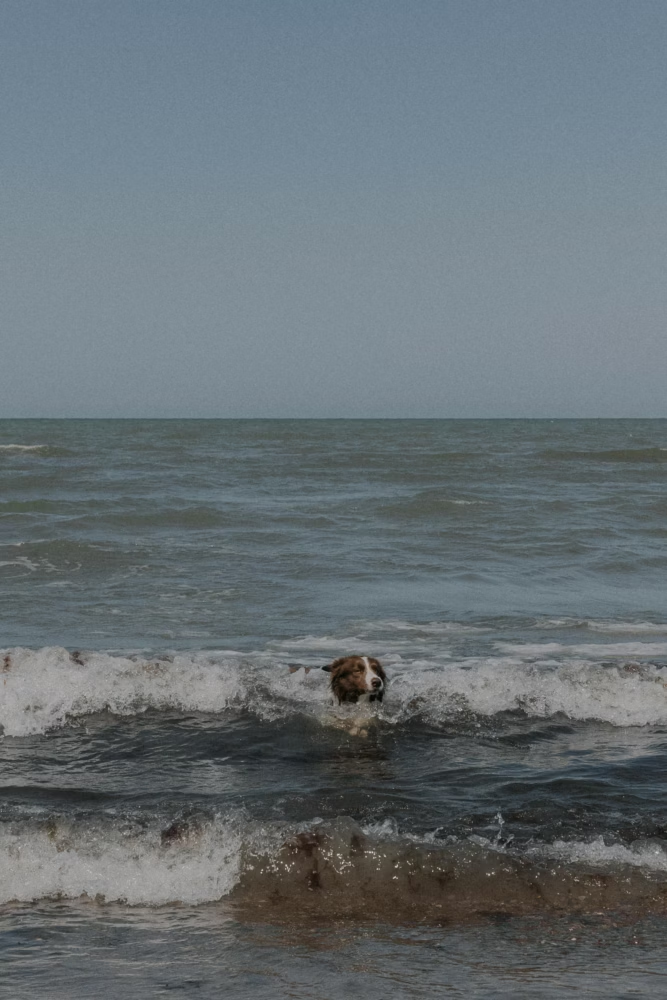

- Ahead of dog walking restrictions being lifted this season, Canine Behaviourist and resident dog expert at Canine Cottages, Dr Emma Scales Theobald, has shared her top canine coastal safety tips.
- Searches for “beaches near me” have increased by 170% in the past 90 days.
- Sun cream for dogs? “For dogs with thin or pale coats, apply pet-safe sunscreen to vulnerable areas like their ears and nose.”
- Canine Cottages also teamed up with the RNLI, which has urged dog owners to keep their dogs on leads when walking close to the cliff edge or fast-flowing water.
As beach restrictions for dog walkers begin to be lifted over this autumn season, searches for “beaches near me” have soared by 170% in the past 90 days. Many dog owners will be heading to the beach with their four-legged friends, and while the beach can be a fantastic playground for dogs, it can also present hidden risks.
That’s why Dr Emma Scales-Theobald, canine behaviourist and resident dog expert at Canine Cottages has shared her essential tips for seaside adventures, covering everything from salt water safety and dehydration to stress management and post-beach care.
Canine Cottages has also teamed up with the RNLI, which has shared its expert coastal safety advice for those walking by the coast this autumn– reminding owners never to put themselves in danger for their pet, and to always call the coastguard if things go wrong.
Saltwater safety
Dr. Emma explains: “It’s tempting for dogs to take a big gulp of seawater when they’re thirsty, but salt can make them sick, causing vomiting, diarrhoea, and even more serious health issues. Dogs also swallow seawater while swimming or playing fetch in the surf.”
She recommends keeping games in the water short, encouraging play on the sand, and always offering fresh drinking water after sea time. “If you see your dog trying to drink the ocean, it’s time to pause the fun,” she adds.
Spotting dehydration
Dr. Emma warns: “Early signs of dehydration include heavy panting, drooling, and lethargy. Check their gums – if they’re dry and sticky, it’s time for water.”
Even in the colder months over excursion and dehydration can still occur, in severe cases, she says, dogs may have sunken eyes, collapse, or become disoriented. “These can be signs of heatstroke, which is an emergency and requires urgent veterinary attention.”
Stress and overarousal
“Beaches can overwhelm dogs. The smells, sounds, and sights are exciting but can also be stressful,” says Dr. Emma. Some may bark excessively, dash about uncontrollably, or seem nervous and reluctant to walk. Her advice is to start with short, calm visits, use plenty of praise, and give them time to adjust.
Post-beach care
Dr. Emma advises rinsing your dog with fresh water after a beach trip to remove salt and sand that can irritate skin or be ingested. “Pay special attention to paws, ears, and underbellies,” she notes. “Dry ears carefully to avoid infections and consider applying paw balm to soothe dryness from salt and heat.”
Natural hazards
“Washed-up marine life, jellyfish, and seaweed can be dangerous if eaten or touched,” says Dr. Emma. She also urges owners to check local advice for blue-green algae warnings and watch out for hot sand. “If it’s too hot for your bare feet, it’s too hot for theirs.”
Sharp objects
Dr. Emma cautions that broken glass, discarded fishing gear, and sharp shells can hide in the sand. “Choose well-maintained, dog-friendly beaches,” she says, “and for extra protection, consider dog booties to keep paws safe.”
RNLI: safety first for you and your dog
Even the most careful dog owners can find themselves in tricky situations by the water – and the RNLI knows this better than anyone. Its crews have rescued countless four-legged friends from dangerous spots along the UK coastline. The lifesaving charity is reminding dog owners that keeping pets safe also means keeping themselves out of harm’s way. Here’s the advice:
“Our crews have rescued dogs from all sorts of places! We’re happy to rescue your four-legged friends – especially if it stops you from getting into trouble too. So, please remember these tips to keep your dog – and yourself – safe”:
- When you’re at the coast, always keep your dog on a lead when walking close to cliff edges or near fast-flowing water.
- If your dog swims too far out in the water or gets stuck in mud on the beach, don’t go after them. Move to a place they can get to safely and call them – they’ll probably get out on their own.
- If your dog does get into trouble, call 999 or 112 and ask for the coastguard straight away. Don’t put yourself at risk by going into the water after them.
Commenting on the study, Sarah Pring, Digital PR Manager at Canine Cottages, said, “The beach is a wonderful place for dogs to explore, but it’s also full of hidden hazards – from scorching sand to sharp shells. By sharing Dr. Emma’s expert advice and working with the RNLI, we’re making sure dog owners have the knowledge they need for a safe and happy day by the sea.”
If you’d like to find out more about how to keep your dog safe near the coast, please follow: https://www.caninecottages.co.uk/guides/coastal-dog-safety-guide

| [donate]
| Help keep news FREE for our readersSupporting your local community newspaper/online news outlet is crucial now more than ever. If you believe in independent journalism,then consider making a valuable contribution by making a one-time or monthly donation. We operate in rural areas where providing unbiased news can be challenging. |