















- Resolutions for 2026 are underway, with many looking to improve their eating habits through healthy meal preparation.
- New research from Virtual College finds over a quarter (26%) have left cooked food out for more than two hours before storing or eating, whilst 11% admit to eating leftovers a week after storing them.
- Katherine Pavling, Head of Product at Virtual College, explains how to make sure you’re consuming meal-prepped food safely, and how to know when it’s gone off.
As the new year begins and the festivities draw to a close, countless people across the UK are starting their resolutions to make some positive lifestyle changes in 2026. Of these resolutions, many will undoubtedly be related to health, with ever-popular choices including exercising regularly and eating healthily.
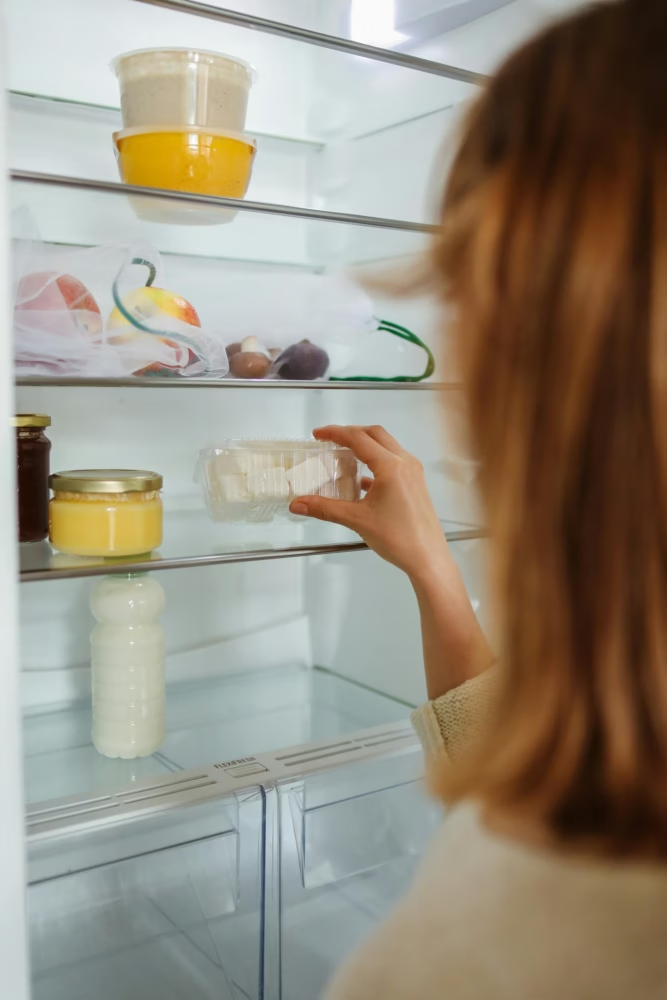
One of the ways people aim to achieve this goal is through meal-prepping, i.e. creating multiple servings in one batch cook, a practice that both helps to encourage healthy eating while also freeing up more time during the week. But storing cooked meals incorrectly can have the opposite intended effect and compromise our health.
New research from online training provider Virtual College has found that over a quarter of Brits forget to refrigerate leftovers within two hours, while 23% often leave food unrefrigerated until the next morning.
26% are leaving food out of the fridge for 2 hours+
The most common storage error being committed is leaving cooked food out for more than two hours before refrigerating or eating, with over a quarter of Brits (26%) being guilty of doing so. 23% also said they’d forgotten to refrigerate leftovers until the next morning, providing ample opportunity for potentially harmful bacteria to reproduce and make the food unsafe.
It isn’t just leaving your food out for too long that can cause problems, but also putting it in the fridge too quickly, with around one in six (16%) admitting to putting hot food straight into the fridge before it has cooled down. This raises the temperature of your fridge above safe levels, causing bacteria on any other food items to become active and start to reproduce.
One in ten (11%) also admitted to eating leftovers one week after storing them, something that can be incredibly dangerous, especially if they contain meat or dairy.
Katherine Pavling, Head of Product at Virtual College, comments on the findings and explains how to store meal-prepped food properly:
“Properly storing your food is already a vital kitchen task, but one that becomes all the more important when meal prep is involved. Hours of batch cooking can be made redundant if your food isn’t stored safely, so understanding the best practice for this should be a priority. For example, hot food should be left for a maximum of two hours before being stored, as past this point is the ideal temperature for bacteria to thrive, with temperatures between 8 and 40 degrees Celsius commonly referred to as the “danger zone”. It’s also important to ensure your food is stored in an airtight container to prevent cross-contamination, with glass options often being more sanitary than their plastic counterparts.”
“As meal-prepping usually involves making food for the next five to six days, you should also keep in mind that cooked food is only safe in the fridge for three to four days. Any meals that you’re planning to have at the end of the week should be stored in the freezer instead, and you should never risk your health by eating meals that have been in the fridge for too long. When it comes to defrosting your frozen meals, the safest way is to do so in the fridge for 24 hours, so even after your food is defrosted, it’s still at a safe temperature. In contrast, if you defrost food on the counter, it will slowly rise to room temperature, prompting bacteria to reproduce and quickly make the meal you carefully prepared unsafe to eat.”

| [donate]
| Help keep news FREE for our readersSupporting your local community newspaper/online news outlet is crucial now more than ever. If you believe in independent journalism,then consider making a valuable contribution by making a one-time or monthly donation. We operate in rural areas where providing unbiased news can be challenging. |