










English language translations on road signs for towns across Wales have been graffitied in protest against the Anglicisation of Welsh placenames. The incident occurred overnight on the 3rd of February, including signs for Aberdyfi (Aberdovey), Aberteifi (Cardigan), Caerfyrddin (Carmarthen), Cydweli (Kidwelly), Porth Tywyn (Burry Port) and Y Trallwng (Welshpool). It is believed to have been planned by a group of activists, yet the identities of these protestors are currently unknown.
At the end of January, the Welsh language on signs in West-Wales was targeted and graffitied. Welsh language placenames and tourist information in Dinbych-y-Pysgod (Tenby) were graffitied with black spray paint, leaving only the English information visible. This anti-Welsh protest has sparked a wider debate regarding the preservation of the Welsh language and culture. The protest now taking place against English language placenames has become a retaliation by Welsh activists.
The percentage of Welsh speakers in Wales is the lowest it has been in 8 years, according to BBC News’ report on the 23rd of January, 2025. This statistic decreased throughout 2025, as Statista reported in July 2025 the percentage of Welsh language speakers being 26.9%. This leaves a significantly large number of Wales’ population being unable to speak the language of their country, therefore relying on the English language.
Regarding the vandalism of English language signs, Senedd member for South Wales Central, Andrew RT Davies, stated in response that ‘These attacks, presumably carried out by Welsh separatist activists, are disgraceful’ and that ‘The English language is central to Welsh culture’. For the Welsh population who cannot speak Welsh, the attempted erasure of the English placenames hasn’t been a beneficial way towards ensuring the survival of the Welsh language.
Mudiad Eryr Wen, a Welsh republican youth organisation and activist group founded in 2022, have shown their support for prioritising Welsh placenames over their English translations. Mudiad Eryr Wen captioned their Instagram post regarding the graffiti of the English language on signs across Wales with ‘The people of Wales have once again demonstrated that they will rise to the challenge.’
They additionally encouraged this movement to ‘paint the world green!’, a colour signifying Welsh resistance. This is in reference to Dafydd Iwan’s 2011 song ‘Peintio’r Byd Yn Wyrdd’ (‘Painting The World Green’), which was written at the height of anti-English language road signs, where green paint was used to cover up English language signs. The Celtic green graffiti is used in the most recent protests as a symbol of Welsh language activists and their refusal to let the English language overtake Wales.
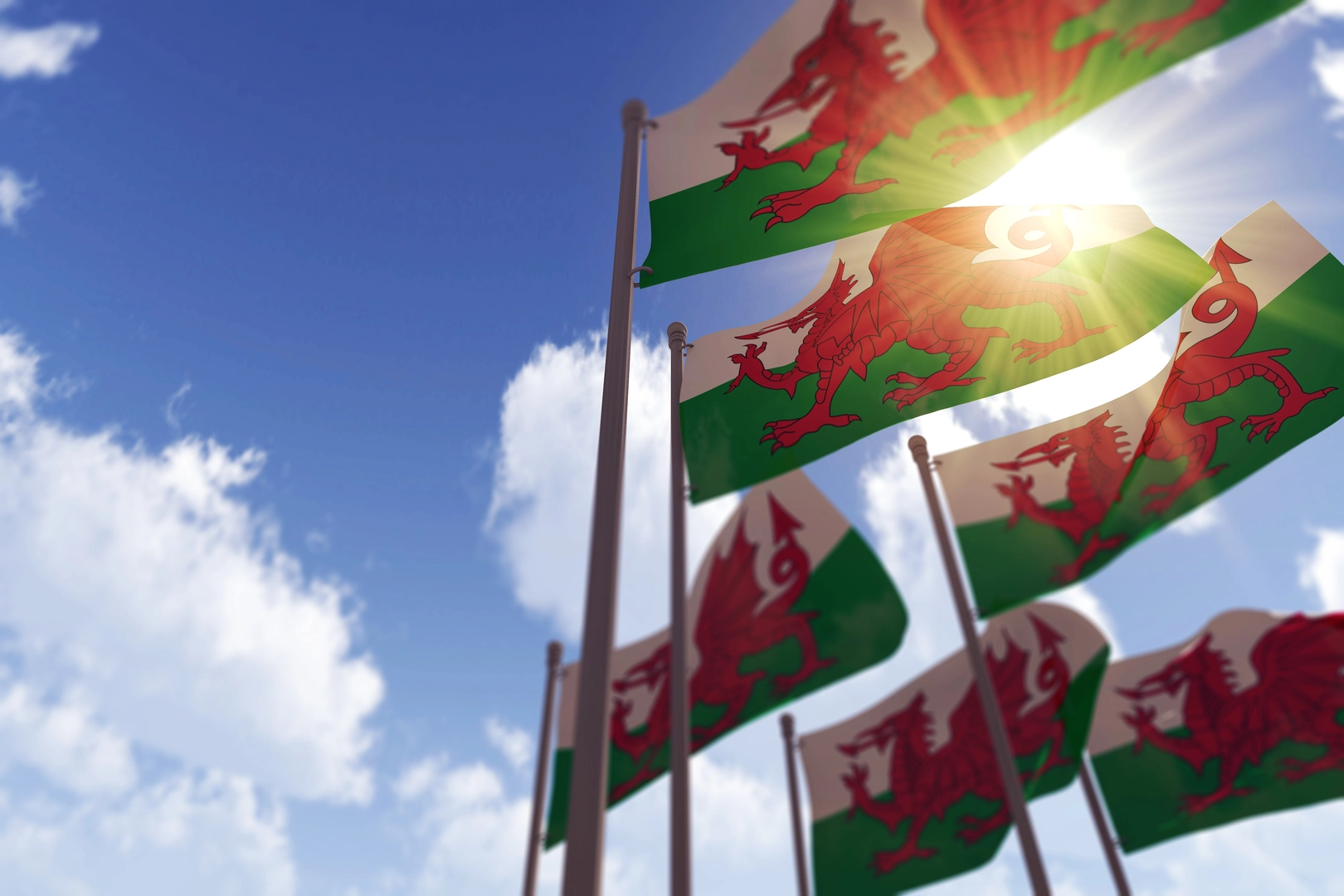
Despite a mixture of support and outrage following the defacement of English language signs, the extremity of these actions is a call to change by the Welsh people. Welsh is a decreasing language, and without being promoted or prioritised within its own country, its future is uncertain.

| [donate]
| Help keep news FREE for our readersSupporting your local community newspaper/online news outlet is crucial now more than ever. If you believe in independent journalism,then consider making a valuable contribution by making a one-time or monthly donation. We operate in rural areas where providing unbiased news can be challenging. |