
















Laying the Foundations
A well-structured garden doesn’t just look good—it creates the environment plants need to thrive. Thoughtful garden design starts with planning soil conditions, light exposure, drainage, and irrigation. These elements directly affect how well plants root, access nutrients, and resist disease. Neglecting them early on can lead to long-term issues like poor growth or ongoing pest problems.
Incorporating a professional garden watering system installation into the early stages of design can make a lasting difference. Reliable irrigation ensures plants receive the right amount of water consistently, reducing stress on roots and supporting healthy development. It also helps regulate soil moisture levels, preventing problems such as rot, mildew, and nutrient leaching.
Space, Structure, and Sunlight
Garden layout is more than an aesthetic choice—it shapes how plants grow over the years. Overcrowding is one of the most common design flaws. While young plants may look spaced out at first, they quickly compete for light and nutrients if not given sufficient room. A good design takes mature plant sizes into account, allowing enough airflow and light penetration to support robust growth.
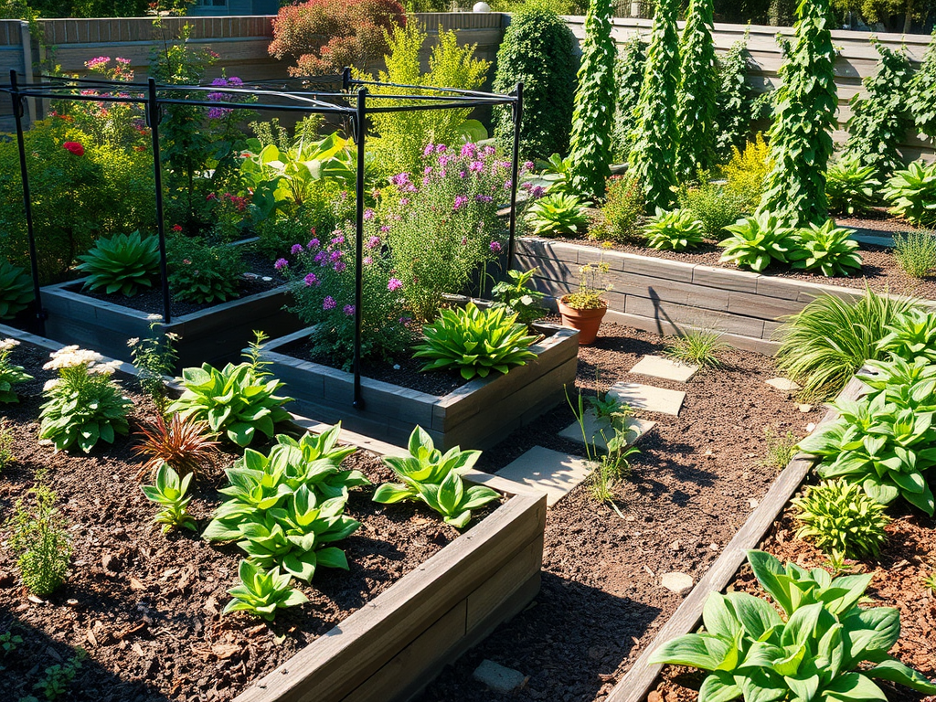
Structural elements, like trellises, raised beds, or retaining walls, also play a key role. These features influence microclimates and drainage, and can guide plant shape and behaviour. For example, vertical planting can reduce soil-borne diseases by improving air circulation, while raised beds can offer better root conditions and less compaction. Well-considered structure balances beauty with function and sets plants up for lasting health.
Soil Management Within the Design
Healthy soil is at the heart of successful planting, and it should be a central focus in garden design. Every site has its own characteristics—clay, loam, or sand—and good design works with these conditions rather than against them. Incorporating soil improvement measures, such as composting areas, organic mulches, and well-placed planting beds, leads to stronger root systems and more resilient plants.
Design also determines how soil is maintained over time. Easy access to beds without compacting the soil is key. Paths, stepping stones, and proper edging help prevent damage from foot traffic. Clever layouts allow for efficient seasonal maintenance, making it easier to replenish nutrients, manage weeds, and adjust planting arrangements without disrupting growth.
Water Flow and Drainage Considerations
Water movement through a garden affects everything from root health to erosion. Poor drainage can drown plants, encourage fungal growth, or wash away topsoil. A good design includes a strategy for directing excess water—whether through subtle grading, French drains, or rain gardens. These elements help maintain balanced moisture levels and protect plant roots from prolonged saturation.
Equally important is ensuring plants with similar water needs are grouped together. This makes irrigation more efficient and reduces the risk of over- or under-watering. Designing zones based on these requirements, especially when supported by automatic or drip-based systems, leads to healthier growth and more sustainable water use.
Encouraging Biodiversity Through Design
Garden design also influences the long-term ecological balance of a space. Choosing a variety of plant types—perennials, shrubs, climbers, and ground cover—creates a layered structure that supports insects, birds, and other wildlife. A biodiverse garden tends to be more resilient, with fewer problems from pests or disease due to natural balance.
Including native species and pollinator-friendly plants enhances this effect. These plants are often well-adapted to local conditions and require less intervention. A well-thought-out planting scheme boosts natural defences and contributes to the overall wellbeing of the garden as a living system, improving plant health through cooperation rather than control.

| [donate]
| Help keep news FREE for our readersSupporting your local community newspaper/online news outlet is crucial now more than ever. If you believe in independent journalism,then consider making a valuable contribution by making a one-time or monthly donation. We operate in rural areas where providing unbiased news can be challenging. |