














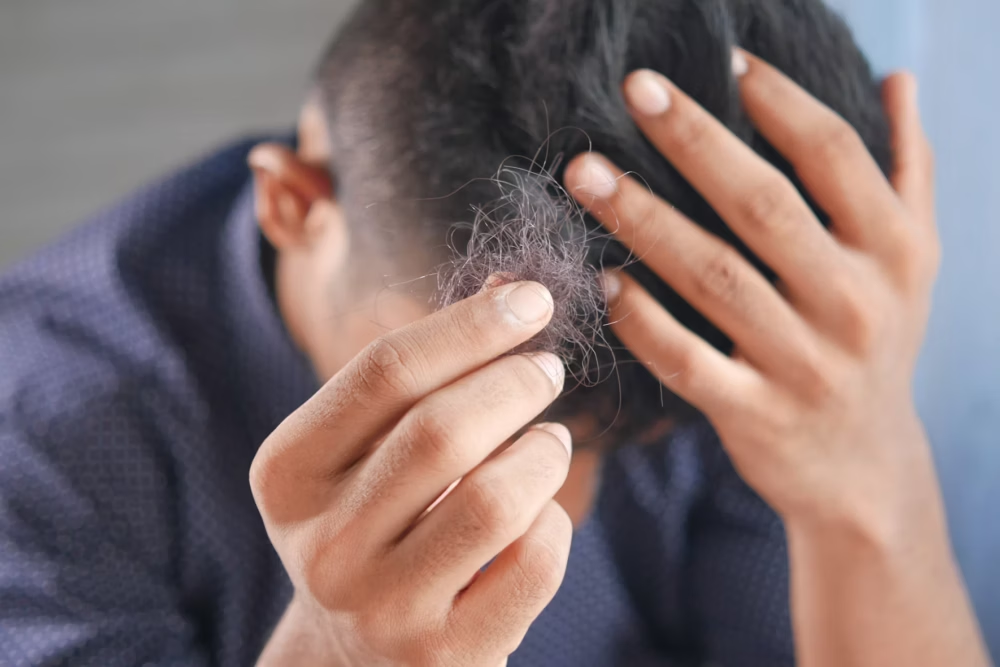

Hair shedding following significant weight loss is often temporary, but experts say many people don’t realise it’s usually caused by the weight loss itself rather than the medication they’re taking.
As more people lose weight through lifestyle changes and medical treatments, healthcare professionals are seeing growing numbers asking the same question: “Why is my hair falling out?”
According to Sobia Qasim, Superintendent Pharmacist at online pharmacy Curely, hair shedding can happen after any period of rapid weight loss, regardless of how the weight is lost.
She explains that while some people notice increased hair loss during treatment with GLP-1 medications, the medication itself isn’t believed to directly damage the hair follicle.
Instead, the most likely cause is a temporary condition called telogen effluvium, triggered by the physiological stress of rapid weight loss and changes in nutritional intake.
Sobia Qasim says:
“Hair shedding is something that can occur during significant weight loss, whether that’s achieved through GLP-1 medications or through other methods. While some people notice increased hair loss during treatment, the medication itself isn’t thought to directly damage the hair follicle. Instead, the more likely cause is the rapid weight loss and changes in nutrition that can accompany treatment. When the body is losing weight quickly, it naturally prioritises essential functions over processes like hair growth. This can trigger a temporary condition called telogen effluvium, where more hairs than usual enter the shedding phase. Hair loss often doesn’t appear immediately and is more likely to become noticeable around two to four months after weight loss begins.”
She says one of the biggest mistakes people make is underestimating how important nutrition becomes during weight loss.
“The best way to reduce the risk is to make nutrition a priority from the start of treatment. Even if your appetite is reduced, it’s important to eat enough protein and ensure you’re getting key nutrients such as iron, zinc, vitamin D and B vitamins, all of which are essential for healthy hair growth. Avoiding crash dieting and aiming for steady, sustainable weight loss can also help minimise shedding.”
The pharmacist also warns consumers to be cautious of expensive supplements marketed as miracle hair-loss solutions.
“People often ask whether they should take supplements, but they’re not a substitute for a balanced diet. Supplements can be worthwhile if you have a confirmed deficiency or you’re struggling to meet your nutritional needs because your appetite has reduced. Rather than buying expensive products marketed specifically for hair growth, I’d recommend focusing on evidence-based nutrients where appropriate, such as iron, vitamin D, zinc or vitamin B12 if they’re needed. If you’re unsure, it’s worth speaking to a healthcare professional before spending money on supplements, as taking high doses unnecessarily won’t speed up hair regrowth and, in some cases, can even cause problems.”
For those already experiencing shedding, Sobia Qasim, Superintendent Pharmacist at online pharmacy Curely says there’s usually no need to panic.
“In most cases it’s temporary, and continuing to nourish your body with enough calories, protein and essential nutrients gives your hair the best chance of recovering. Gentle hair care can also help, such as avoiding excessive heat styling, tight hairstyles and harsh chemical treatments while the hair is more fragile. Hair grows slowly, so recovery takes time, and it may be several months before new growth becomes noticeable.”
However, she stresses that persistent or severe hair loss shouldn’t simply be dismissed as a side effect of weight loss.
“If hair loss is severe, continues for longer than six months, you’re noticing bald patches rather than general shedding, or you develop symptoms such as extreme tiredness, changes in your skin or nails, or unexplained weight changes, it’s important to seek medical advice. These could point to an underlying condition such as iron deficiency, thyroid disease or another nutritional deficiency that needs investigating.”
Six Tips to Help Reduce Hair Shedding During Weight Loss
1. Prioritise protein at every meal
Hair is primarily made from protein, so ensuring you’re eating enough each day is one of the most important ways to support healthy growth.
2. Don’t ignore key nutrients
Iron, zinc, vitamin D and B vitamins all play important roles in maintaining healthy hair. If your appetite has fallen, make every bite count.
3. Aim for steady weight loss
Rapid weight loss is more likely to trigger temporary shedding. A slower, sustainable approach can help reduce the risk.
4. Don’t rely on expensive hair supplements
Many products marketed for hair growth have limited evidence behind them. Only consider supplements if advised by a healthcare professional or if a deficiency has been identified.
5. Be gentle with your hair
Avoid excessive heat styling, bleaching, harsh chemical treatments and tight hairstyles while your hair is shedding.
6. Know when to seek medical advice
If hair loss lasts longer than six months, you develop bald patches or experience other symptoms such as fatigue or changes to your skin and nails, speak to a healthcare professional to rule out underlying nutritional deficiencies or other medical conditions.

| [donate]
| Help keep news FREE for our readersSupporting your local community newspaper/online news outlet is crucial now more than ever. If you believe in independent journalism,then consider making a valuable contribution by making a one-time or monthly donation. We operate in rural areas where providing unbiased news can be challenging. |