












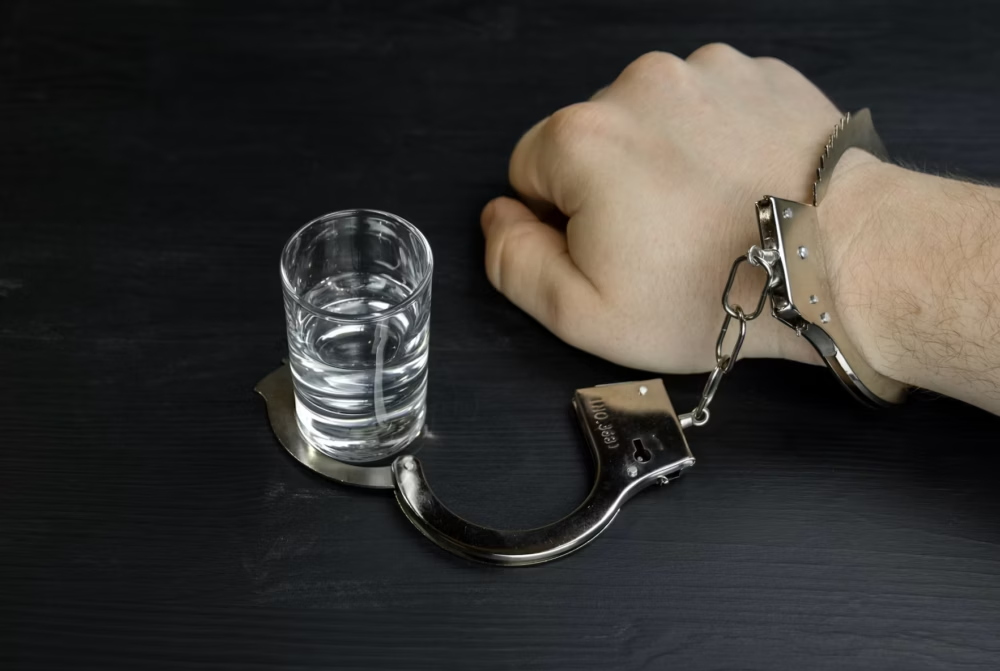

As Sober October approaches, Ruth Allonby, Chief Executive of Mount Carmel Rehab offers practical tips and advice on how to take a break from alcohol and how to spot if you have a problem with alcohol misuse.
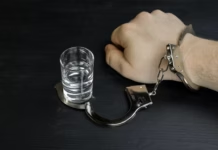
This month, many people consider taking a break from alcohol to reset habits, improve health, and gain clarity. For some, however, a month without drinking can reveal deeper concerns about their relationship with alcohol. Recognizing when a temporary challenge points to a more persistent problem is the first step toward meaningful change. There’s a saying: “if your drinking is costing you more than money, you’ve got a problem”. Alcohol can affect your whole life – work, relationships, not just your health. But many find that they can’t stop on their own, they need specialist help and support.and the problems drinking causes.
Tip 1- Look at alternatives to drinking venues and drinking events
Now’s the perfect time to rethink routine drinking habits and explore alternatives to typical drinking venues and events. Look at other options such as choosing a coffee meet-up over a bar night or organizing outdoor activities instead of pub-based gatherings. Plan social alternatives so abstaining doesn’t become isolated or punitive.
Tip 2 – Recognise how well you feel when you’re not drinking
Better sleep, clearer thinking, improved mood, and stronger relationships will emerge in weeks and months after cutting back on your alcohol intake. Compare this to how you felt previously when alcohol was part of your regular routine.
Tip 3 – Build a strong support system
Share your goal with family and friends so they can support you and plan gatherings that do not revolve around heavy drinking. Find a friend who also wants to give their drinking a break so you can pick up the phone instead of reaching for the bottle and hold each other accountable.
Tip 4 – Replace drinking rituals with healthier routines
Embrace exercise and swap that end of the day glass with a brisk walk or a short workout, this will maintain the comforting pattern of an end-of-day routine while also improving physical and mental health. If exercise isn’t your thing, an hour spent on a creative hobby like baking or crafting can help break automatic habits and support long-term wellbeing.
Tip 5 – Clear all alcohol out of your fridge and cupboards at home so you do not face easy triggers.
Re-stock with non-alcoholic alternatives, whether that be non-alcoholic beers or mocktails on a Friday night. These choices let you feel included in both home and group settings and maintain routines that might otherwise feel isolating.
Signs of problematic drinking
Pay attention to signs that a drinking pattern may be problematic. If cutting back triggers strong cravings, withdrawal symptoms, or repeated unsuccessful attempts to stop, those are red flags. Behavioral changes such as neglecting responsibilities, strained relationships, or drinking to cope with emotions also merit reflection and, when necessary, professional help.
How to get help when drinking becomes a problem
First, visit your GP. They can check for any damage caused by alcohol, and give advice. They will also know whether a “detox” is needed – it may be unsafe to stop suddenly without medical supervision.
Some people join self help fellowships – Alcoholics Anonymous, SMART Recovery, and Soberistas etc, they are open to anyone, and are responsible for getting thousands sober each year in the UK.You could also approach your Local Authority Drug and Alcohol Team (DAAT). These specialists can offer a range of interventions, from brief day courses to residential rehab, and they will assess you and decide what is best for you. They are very experienced, and will try to help everyone.
Mount Carmel Rehab is a centre of excellence for alcohol treatment established more than 40 years ago and is based in S.London. It is an independent not for profit organisation with HMRC charitable status. Most of its clients are funded by Local Authorities with self-funding also available.

| [donate]
| Help keep news FREE for our readersSupporting your local community newspaper/online news outlet is crucial now more than ever. If you believe in independent journalism,then consider making a valuable contribution by making a one-time or monthly donation. We operate in rural areas where providing unbiased news can be challenging. |