















How to prevent honey fungus from attacking your trees
Homeowners are being advised on how to prevent honey fungus from attacking their trees.
Gardening experts at GardeningExpress.co.uk have shared the common signs of the fungus as well as what gardeners should do if they believe it is present.
Honey fungus, also known as Armillaria, is a group of parasitic fungi that attacks and kills the roots of many plants, trees and shrubs.
In the wild, honey fungus can cause little damage thanks to the competing fungi surrounding it and keeping its growth under control
But it tends to thrive and become a problem in gardens when no other fungi is present.
Spotting honey fungus can be tricky as the problem lies mainly with the roots underground.
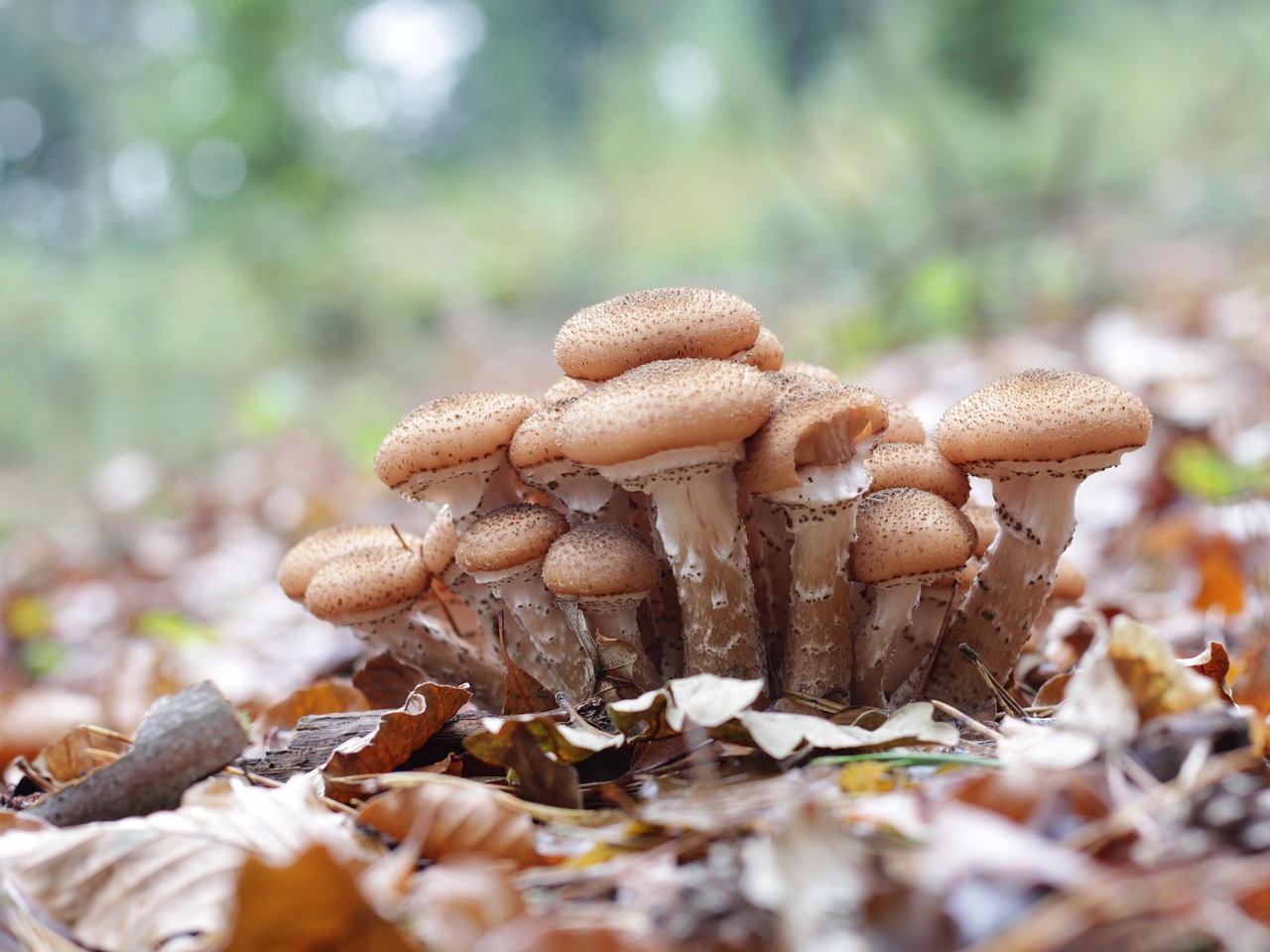
However there are some indications that a tree has been infected by the fungus including pale foliage, cracked bark and clumps of honey coloured mushrooms.
Chris Bonnett, founder of GardeningExpress.co.uk said: “Honey fungus can be a real problem if it starts attacking your trees and if you spot any signs of it you should try to remove the affected plant as quickly as possible.
“Honey fungus can spread really rapidly so this is really important in making sure it doesn’t spread to any other parts of your garden.
“The best way to prevent this fungus from being a problem in the first place is to ensure you’re taking proper care of your trees.
“Honey fungus loves a waterlogged environment so be mindful to have good soil drainage and avoid overwatering your trees.
“Creating a ‘forest floor’ that mimics the natural environment that trees are found in can also help prevent the growth of honey fungus which is more likely to spread in cleaner and well kept spaces.”
How to prevent honey fungus from attacking your trees:
- Improve soil drainage
Honey fungus thrives in poorly drained and waterlogged soil so proper drainage is key. Incorporating organic matter such as compost, bark and mulch can help with this. Aerating the soil will also reduce excess moisture.
- Create a ‘forest floor’
Surround your trees with a ‘forest floor’ by using leaves and encouraging beneficial fungi by adding compost to the area. It’s believed that mimicking this natural environment for trees can help prevent the growth of honey fungus. Cleaner gardens with less fallen leaves and fungi can make it easier for honey fungus to spread.
- Be careful where you plant
If an area of the garden has previously been infected by honey fungus then avoid planting any trees there going forward. The fungus can remain in the soil for years to come.
- Avoid overwatering
Be mindful not to overwater your trees as this can promote fungal growth. Instead, focus on watering deeply to ensure you’re encouraging a strong root system.
- Remove infected trees and roots
Honey fungus is powerful and can spread quickly which is why you should remove trees at the first sign of infection. Remove as much of the trunk and root system as possible and send it to landfill.

| [donate]
| Help keep news FREE for our readersSupporting your local community newspaper/online news outlet is crucial now more than ever. If you believe in independent journalism,then consider making a valuable contribution by making a one-time or monthly donation. We operate in rural areas where providing unbiased news can be challenging. |