













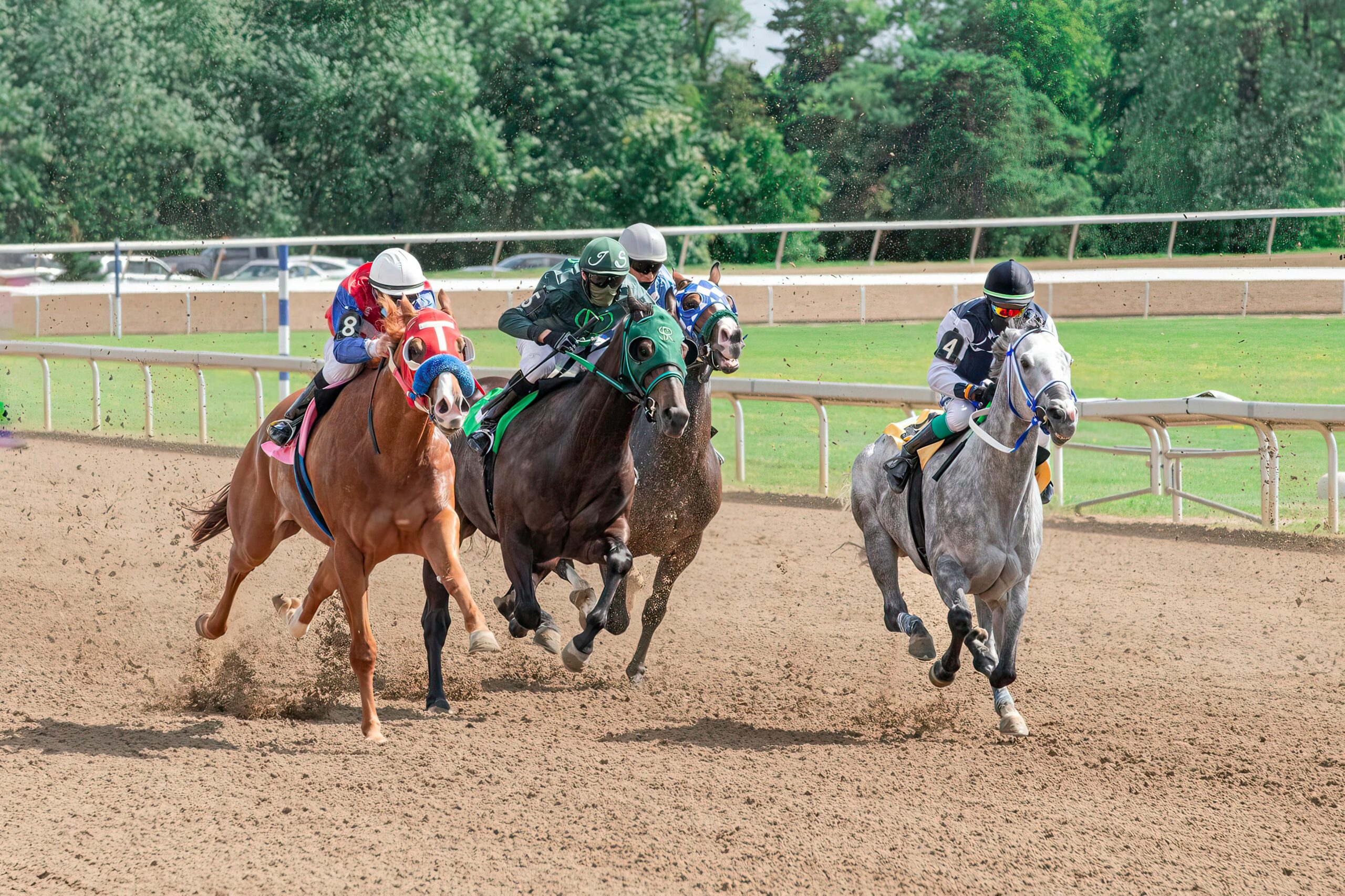

Horse racing is one of the oldest and most revered sports in the world, and among the most famous races, two stand out above the rest: the Grand National in England and the Kentucky Derby in the United States. Each event has a long history, unique traditions, and devoted followings. While both races celebrate the speed and endurance of elite thoroughbreds, they differ in their formats, challenges, and cultural significance.
Historical Background
The Grand National, held annually at Aintree Racecourse near Liverpool, England, dates back to 1839. This prestigious steeplechase event was established by William Lynn, a local hotelier, and has since grown into one of the world’s most demanding and celebrated horse races. Over its long history, the Grand National has witnessed legendary horses such as Red Rum, who won three times in the 1970s, and Tiger Roll, who claimed back-to-back victories in 2018 and 2019.
On the other hand, the Kentucky Derby, known as “The Most Exciting Two Minutes in Sports,” was inaugurated in 1875 and is held at Churchill Downs in Louisville, Kentucky. Founded by Meriwether Lewis Clark Jr., the race was inspired by England’s Epsom Derby. It is the first leg of the American Triple Crown, followed by the Preakness Stakes and the Belmont Stakes.
Famous winners of the Kentucky Derby include Secretariat, who set a still-standing record time in 1973, and more recent champions like American Pharoah and Justify, both of whom went on to win the Triple Crown.
Race Format and Challenges
One key difference between the Grand National and the Kentucky Derby is their structure and format. The Grand National is a steeplechase, meaning horses must navigate 30 fences over a grueling 4-mile 514-yard course. Due to its length and obstacles, such as Becher’s Brook and The Chair, this race is considered one of the toughest in the sport. The unpredictable nature of the Grand National means that favorites do not always win, making it an exhilarating test of skill for both horse and jockey.
In contrast, the Kentucky Derby is a flat race covering 1 1/4 miles (10 furlongs) on a dirt track. The race is exclusively for three-year-old thoroughbreds, meaning that each horse has only one chance to compete, starting from the road to Kentucky Derby leading up to the event. The shorter distance and fast pace of the Kentucky Derby make it a high-intensity sprint, where strategy, speed, and positioning are crucial.
Unlike the Grand National, which allows horses aged seven and older to compete, the Derby is a one-time opportunity for young horses aiming for greatness.
Cultural Significance and Traditions
The Grand National and the Kentucky Derby have deep-rooted traditions that add to their legendary status. The Grand National is a beloved British institution, attracting millions of viewers annually. It is often regarded as a national event rather than just a horse race, with many casual fans placing bets on the outcome. The race also has royal connections, with Queen Elizabeth II being an avid follower of horse racing.
The Kentucky Derby, meanwhile, is not just a race but a grand spectacle, famous for its pageantry and Southern charm. The event is synonymous with mint juleps, extravagant hats, and the singing of “My Old Kentucky Home” before the race begins. The Derby is a social event as much as a sporting competition, with celebrities and high society figures flocking to Churchill Downs every year.
Prestige and Economic Impact
While both races are prestigious, their importance in horse racing differs. The Grand National offers one of the largest prize purses in European racing, attracting top steeplechasers worldwide. However, because it is a handicap race, where horses carry different weights based on past performances, it does not necessarily determine the best horse outright. Instead, the race is often seen as an ultimate test of stamina, skill, and luck.
The Kentucky Derby, on the other hand, is a premier flat racing event and serves as the gateway to the Triple Crown. Winning the Derby significantly elevates a horse’s breeding value and can lead to a lucrative career in stud. The race’s impact on the economy of Louisville is immense, generating hundreds of millions of dollars in revenue from tourism, betting, and broadcasting rights.
Global Appeal and Fanbase
While both races have global appeal, they cater to slightly different audiences. The Grand National is immensely popular in the United Kingdom and Ireland, drawing millions of television viewers and casual bettors. It is often described as “the people’s race” because even those who do not typically follow horse racing participate in betting pools.
Though deeply rooted in American culture, the Kentucky Derby has a strong international presence, with horses and jockeys from around the world competing. Its association with the Triple Crown ensures it receives significant attention from racing fans in Europe, Asia, and beyond.
Final Words
The Grand National and the Kentucky Derby are two of the most celebrated horse races in the world, each with its unique charm and challenges. The Grand National tests endurance and jumping ability over a long, obstacle-laden course, while the Kentucky Derby is a high-speed showdown among the best young thoroughbreds. Their traditions, prestige, and economic impact make them cornerstone events in horse racing.
While fans may debate which race is superior, there is no denying that both events have left an indelible mark on horse racing history. Whether you prefer the unpredictable drama of the Grand National or the electrifying speed of the Kentucky Derby, each race offers a thrilling spectacle that continues to captivate audiences year after year.

| [donate]
| Help keep news FREE for our readersSupporting your local community newspaper/online news outlet is crucial now more than ever. If you believe in independent journalism,then consider making a valuable contribution by making a one-time or monthly donation. We operate in rural areas where providing unbiased news can be challenging. |