














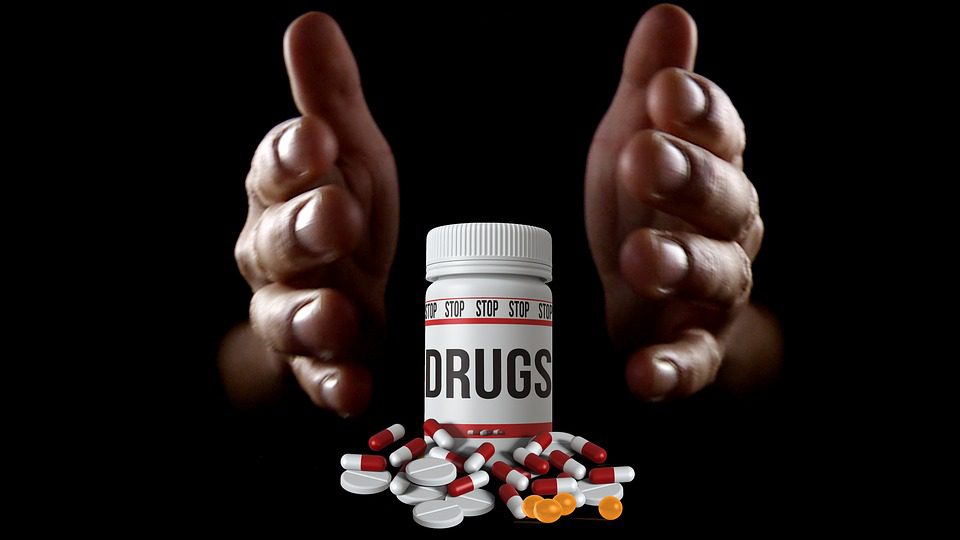

The legal framework surrounding ketamine drug testing in the UK is crucial for various sectors, including healthcare, law enforcement, and workplace safety. In the UK, possessing, supplying, or producing ketamine can lead to severe legal consequences, such as imprisonment or fines. Understanding these guidelines ensures compliance and helps maintain safety, especially in sensitive scenarios like child custody cases.
In professional settings, ketamine drug testing plays a vital role in maintaining safety and security. Employers may implement such tests to ensure a drug-free workplace, promoting health and efficiency among employees. Utilizing reliable ketamine drug test kits ensures accurate results and appropriate actions when needed.
Ketamine also holds significance in medicine, being used as an anesthetic and analgesic in both human and veterinary contexts. While its therapeutic benefits are noteworthy, the potential for misuse calls for coherent legal and practical measures in its testing to avoid any negative repercussions. These practices reflect the importance of law enforcement and legal advice in managing ketamine-related incidents.
Legislative Framework Governing Ketamine Testing
The legislative framework in the UK determines how ketamine is classified, the penalties for misuse, and the regulations surrounding drug testing. These aspects ensure the legal and safe management of ketamine in public and workplace settings.
Ketamine Classification and Relevant Acts
Ketamine is classified as a Class B drug under the Misuse of Drugs Act 1971. Initially a Class C substance, it was reclassified due to concerns over misuse and addiction. The classification affects both the medical use of ketamine and the legal penalties associated with unauthorized possession or distribution.
The Advisory Council on the Misuse of Drugs plays a crucial role in deciding its classification status. This council evaluates potential harms and advises on appropriate measures. Regulations also govern how ketamine is prescribed in medical contexts, ensuring only qualified professionals administer it.
Penalties and Enforcement
The penalties for illegal possession, supply, or production of ketamine are stringent. Being a Class B drug, the potential penalties include fines and imprisonment. Possession can lead to up to five years in prison, while supply and production offenses could result in life imprisonment or an unlimited fine.
The enforcement of these penalties is handled by public services, including law enforcement agencies. Their role is to ensure compliance with the law and to deter misuse. Enforcement measures focus on preventing illegal distribution and protecting public safety.
Drug Testing Regulations and Privacy Rights
Drug testing for ketamine in the workplace is subject to legal guidelines to protect both employers and employees. UK employers may conduct tests, but must adhere to privacy rights and obtain proper consent. Employment contracts often outline the terms regarding drug testing, ensuring transparency and mutual agreement.
The balance between safety and employee privacy is governed by legal advice and data protection laws. Testing should not be invasive without cause, and results must be handled confidentially. These regulations are in place to promote a safe working environment while respecting individual rights.
Implementing Drug Testing Policies for Ketamine
When implementing ketamine drug testing policies, companies must consider different testing types and address related health and social harms. These factors are crucial to ensure the effectiveness and compliance of drug testing in the workplace.
Types of Drug Testing in the Workplace
Effective ketamine drug testing policies should incorporate several types of testing to ensure comprehensive coverage. Random testing is widely used to deter employee drug use by creating an element of unpredictability. This type aligns with efforts by regulators, such as the Home Office, to address substance abuse in various sectors.
For-cause testing is employed when there is reasonable suspicion of drug use, often indicated by behavior changes or reports of drug-related incidents. Post-incident testing becomes necessary after workplace accidents to determine if drug use contributed to the incident. Organizations implementing these methods should ensure they comply with legal guidelines and respect employee rights, a balance reflected in policies proposed by entities like the ACMD and other regulatory bodies.
Addressing Health and Social Harms
Ketamine and its use in the workplace pose potential health and social harms that require careful management. The rise of hybrid substances, such as the synthetic drug cocktail known as “pink cocaine,” underscores the evolving nature of substance abuse and the need for adaptable testing policies.
Organizations should educate employees about the risks associated with ketamine, including its use in criminal activities like spiking. This awareness can prevent health problems and enhance workplace safety. Promoting a clear and transparent drug testing policy, endorsed by leaders such as Dame Diana Johnson, helps organizations address these challenges effectively, aiming for a safer work environment.
Conclusion
Legal guidelines for ketamine drug testing in the UK are tightly regulated under the Misuse of Drugs Act 1971. Ketamine’s classification as a Class B drug reflects its potential for misuse and harm. The legal framework addresses possession, supply, and production, with significant penalties for violations.
Efforts to enhance drug testing efficiency, including improved technology at borders, are ongoing. These measures aim to prevent illegal distribution while ensuring public safety. The evolving legal landscape underscores the importance of compliance and vigilance in drug regulation.

| [donate]
| Help keep news FREE for our readersSupporting your local community newspaper/online news outlet is crucial now more than ever. If you believe in independent journalism,then consider making a valuable contribution by making a one-time or monthly donation. We operate in rural areas where providing unbiased news can be challenging. |