














Common gardening hacks that could be harming wildlife
Green-fingered Britons are being told of popular gardening hacks that could actually have a negative impact on local wildlife.
Ecologists from Arbtech have shared common garden mistakes and offered alternatives to keen gardeners looking to improve biodiversity.
Gardeners who use pesticides will experience a decline in garden wildlife, but experts say there are still ways to prevent pests without the use of harsh chemicals.
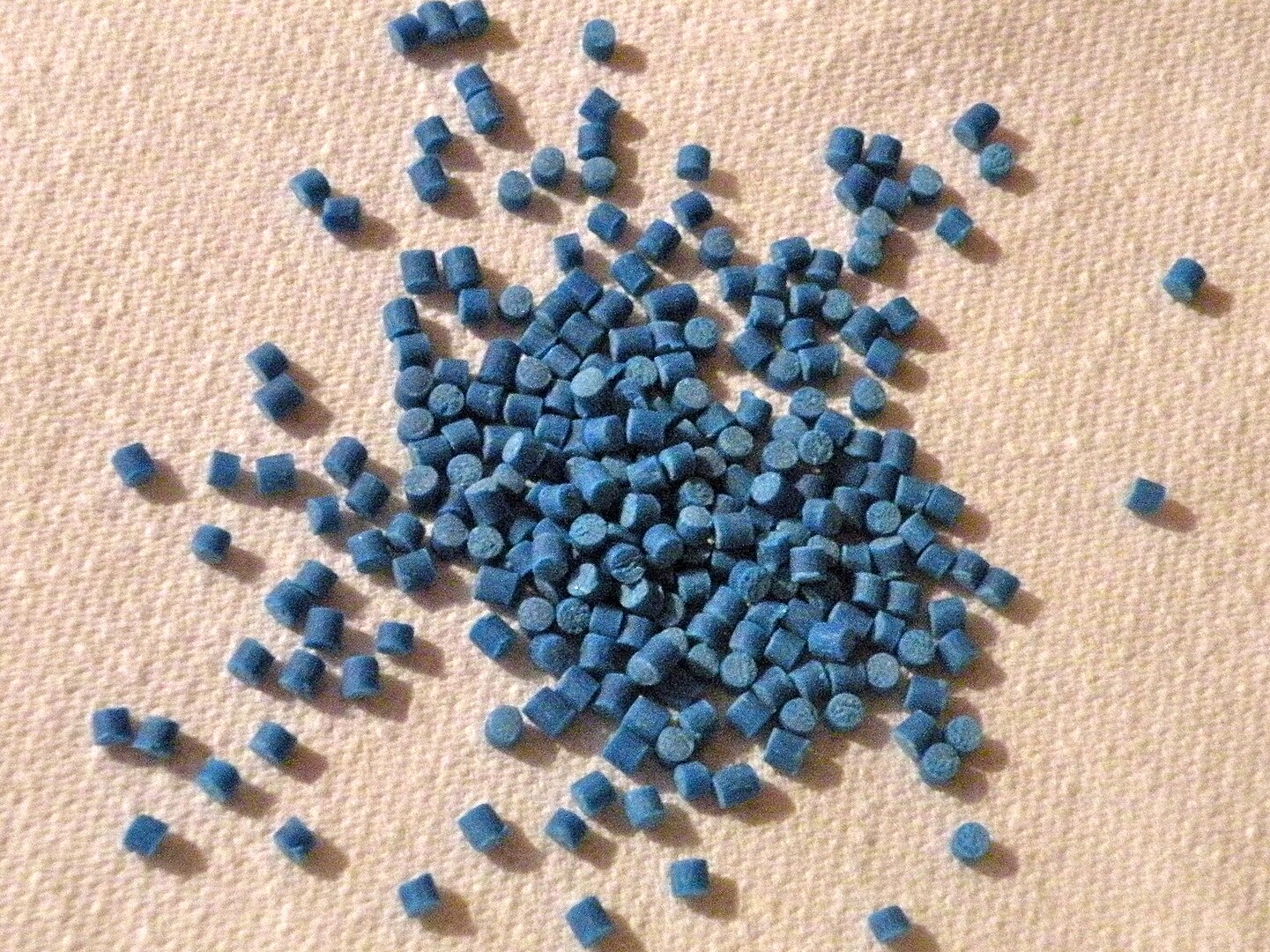
The use of slug pellets poses a significant threat to garden wildlife, which is why pellets containing the metaldehyde chemical have been banned in the UK.
It is illegal to use or store these pellets, so homeowners are being told to check their sheds for any old pellets which no longer follow correct regulations.
Other mistakes include over-cleaning a garden, removing all weeds and using inhumane methods like glue traps for capturing pests.
A spokesperson from Arbtech said: “We have certainly seen an increase in those interested in increasing biodiversity in their gardens, which is something we encourage among anyone with outdoor space.
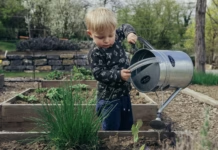
“There are really simple changes you can make to create a more wildlife friendly garden, including leaving natural waste for nesting materials and avoiding weeding too much.
“We are also issuing a warning for Brits to check their sheds for any old slug repellents, and to throw them away if they contain metaldehyde. Storing or using these pellets is illegal in the UK, so make sure there are none hiding at the back of your shed.
“Glue traps are also illegal for public use, and anyone experiencing pests should avoid inhumane traps at all costs, especially when they could capture other wildlife like hedgehogs or birds. They were also made illegal for rodent control, and can only be used by professional pest controllers who hold a license which states the action is required for public health or safety.”
Here are some garden mistakes, from Arbtech:
- Slug pellets
Although used by many gardeners in order to protect plants from slug damage, the pellets may actually cause more problems than they solve in your garden. The main ingredient in slug repellents is toxic to other garden wildlife, including hedgehogs and birds. Even slug pellets labelled as ‘organic’ contain ingredients which could be fatal to other wildlife. Slug pellets in your garden could also be harmful to your pets, as consumption in large quantities could be toxic. We urge gardeners to use natural repellents, including crushed eggshells or coffee grounds, which can be spread around plants to repel slugs.
You can also choose slug-proof plants. Opt for native species which can cope with slugs or species with adaptations like spiky leaves, thin leaves, woolly surfaces or strong aromas. These can deter slugs and snails and make eating the plant difficult.
- Removing natural waste
Over-cleaning your garden and removing natural debris like leaves could actually be taking nesting materials and wildlife refuges away from wildlife in your garden. By removing all garden waste you take away essential food sources. Creating and retaining nesting materials is an easy way to encourage wildlife in your garden, so we encourage you to leave your grass a little longer, leave the hollow stems of last year’s flowers, embrace decay and let your garden become a little ‘wilder’.
- Using glue traps
These traps are illegal for public use, and anyone who fails to comply could be convicted of an offence. This type of trap is considered to be cruel, and can cause real suffering to wildlife. The traps can’t discriminate against certain animals, meaning non-targets animals like hedgehogs, birds and family pets could become trapped.
- Constant weeding
Although many gardeners like to stay on top of their weed-removal, they are actually getting rid of an invaluable source of nectar, seeds, shelter and nest sites for insects and birds. Leaving a wild patch in your garden rather than killing off all weeds could make a big difference to your garden’s ecosystem and encourage new wildlife.

| [donate]
| Help keep news FREE for our readersSupporting your local community newspaper/online news outlet is crucial now more than ever. If you believe in independent journalism,then consider making a valuable contribution by making a one-time or monthly donation. We operate in rural areas where providing unbiased news can be challenging. |