











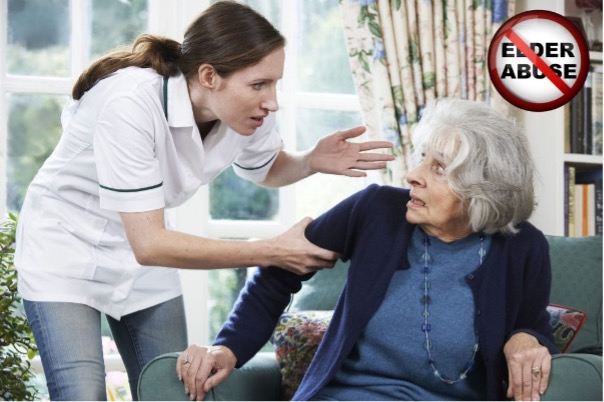

No one ever wants to imagine it, but sometimes, the places we trust to care for our loved ones become the very places where they are mistreated. Nursing homes, though often filled with kind and hardworking staff, can also become hiding places for abuse when oversight fails or when profit is prioritized over people. That’s the hard truth no one likes to talk about—but it must be talked about, especially when the warning signs show up in plain view.
In places where families often stay close across generations, and elders remain deeply woven into the fabric of daily life, it hits even harder when something feels off. When a loved one in care suddenly changes—when the spark in their eyes dims, or when they start making excuses for bruises—it’s not always “part of aging.” It can be something much worse. And if you suspect that’s happening, for legal help, visit Hughey Law Firm, where people take this seriously and know exactly how to respond.
Here are five signs that should never be brushed off.
1. Unexplained Injuries or Bruises
When your loved one has a black eye, bandaged arm, or swollen lip and no one has a clear answer—or the stories keep changing—pay attention because injuries that appear suddenly and heal slowly often tell you more than words ever will, especially when they seem to repeat or follow a pattern over time.
2. Sudden Personality Changes or Withdrawal
A person who once enjoyed visits, jokes, and casual conversations suddenly starts turning away from eye contact, clamming up during family time, or acting tense around specific staff members—that’s not normal aging behavior; that’s fear trying to mask itself as silence, and it should never be dismissed as “a phase.”
3. Poor Hygiene and Dirty Living Conditions
When you walk into a room and smell something strong or notice matted hair, unchanged clothing, or bedsheets that look like they haven’t been touched in days, you’re seeing physical evidence of poor hygiene that someone stopped caring enough to provide basic dignity—and that’s not a staffing issue, that’s a warning sign.
4. Medication Mix-Ups or Missing Prescriptions
If your loved one seems overly drowsy at odd hours, begins slurring when they never did before or seems to be missing medications they rely on—while the staff claims nothing is wrong—it might not be a clerical error, but something much more dangerous, and those signs can point directly to neglect or worse.
5. Isolation from Family or Visitors
When the staff suddenly makes it harder for you to visit, or when your loved one seems coached on what to say—or more afraid after visits than before—take note because no one who is being treated with kindness and care needs to be hidden behind closed doors or discouraged from contact.
Closing Thoughts
Nursing home abuse doesn’t always scream. Sometimes, it whispers through half-truths and rushed explanations, hoping you won’t notice. But if you notice—even a little—trust that instinct because silence doesn’t keep them safe. Action does, which you can take by documenting the abuse and filing a lawsuit.

| [donate]
| Help keep news FREE for our readersSupporting your local community newspaper/online news outlet is crucial now more than ever. If you believe in independent journalism,then consider making a valuable contribution by making a one-time or monthly donation. We operate in rural areas where providing unbiased news can be challenging. |


v3c5fl
It’s heartbreaking how often nursing home abuse goes unnoticed. I’d also suggest that families trust their instincts—if something feels off, it’s worth digging deeper to make sure their loved ones are truly safe.