













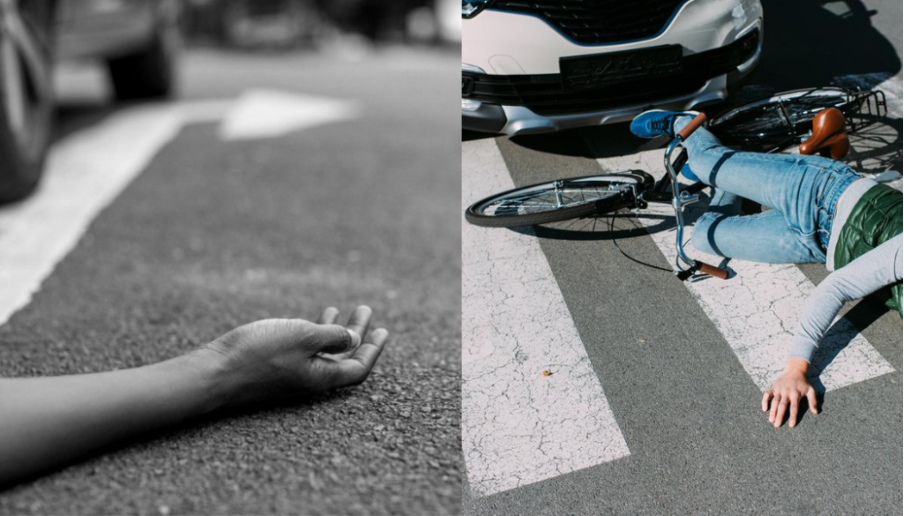

When it comes to road safety, most of us naturally think about cars and motorcycles. But what about the people walking alongside those roads? Pedestrian accidents happen more often than many people realize, and sadly, a lot of myths surround them. These false beliefs can be risky because they affect how people behave on the streets and how they respond after an accident.
Knowing the facts is key to staying safe and making smart decisions. If you or someone you know has been involved in a pedestrian accident, it’s always a good idea to understand your rights and legal options. The team at Bagen Law Accident Injury Lawyers, P.A. knows how complicated these situations can be and works hard to support people dealing with accident claims.
They’ve seen firsthand how myths can confuse victims and make situations worse. So, let’s clear the air and set the record straight on five of the most common myths about pedestrian accidents.
Myth #1: Only Careless Pedestrians Get Hit
One of the dangerous myths is that pedestrian accidents only happen to pedestrians who aren’t paying attention. It is not always true. While distractions like smartphones and headphones do contribute to some accidents, many pedestrians are struck through no fault of their own.
Reckless driving, speeding, failure to yield, and drivers running red lights are major causes of pedestrian injuries. No one is completely safe just because they’re alert and careful. The road is a shared space, and everyone has a role in keeping it safe.
Myth #2: Pedestrian Accidents Only Happen at Night
Accidents involving pedestrians are more likely to happen after dark when visibility is low. While it’s true that nighttime brings higher risks, many pedestrian accidents actually occur during daylight hours.
Busy intersections, distracted drivers, and crowded city streets during the day are all common settings for these incidents. The truth is that accidents can happen anytime, which is why it’s important to stay cautious, whether it’s day or night.
Myth #3: Minor Injuries Don’t Need Medical Attention
Sometimes, people think that if a pedestrian gets up and walks away after being hit, they must be fine. But the truth is, injuries from accidents aren’t always visible right away. Internal injuries, concussions, and soft tissue damage can take hours or even days to show symptoms. Ignoring medical care after an accident can lead to serious health problems later. It’s always smart to get checked by a doctor, no matter how small the injury seems at first.
Myth #4: Drivers Are Always Held Liable
It’s easy to assume that if a car hits a pedestrian, the driver is automatically at fault. However, liability in pedestrian accidents isn’t always so simple. Police reports, witness statements, traffic laws, and accident details all come into play when deciding who is responsible.
In some cases, bad road conditions and faulty traffic signs might also have contributed to the accident. Each situation is different, which is why having legal professionals review a case is so important.
Myth #5: Pedestrians Always Have the Right of Way
One of the most widely believed myths is that pedestrians can cross the road anywhere, anytime, and drivers must always stop. While pedestrians do have certain rights, especially at marked crosswalks, they also have responsibilities. Most traffic laws require pedestrians to obey traffic signals and use crosswalks when available.
Jaywalking or suddenly stepping onto the road outside of a crosswalk can actually put the pedestrian at fault in an accident. Both drivers and pedestrians need to stay alert and follow the rules.
Final Thoughts
Pedestrian accidents are more common than you might expect, and believing these myths can put people at unnecessary risk. Staying informed helps everyone — drivers, pedestrians, and even passengers — play their part in keeping roads safe. And if the unexpected does happen, having a trustworthy legal team by your side can make a world of difference. Stay alert, follow the rules, and never underestimate the value of knowing the facts.

| [donate]
| Help keep news FREE for our readersSupporting your local community newspaper/online news outlet is crucial now more than ever. If you believe in independent journalism,then consider making a valuable contribution by making a one-time or monthly donation. We operate in rural areas where providing unbiased news can be challenging. |




Why is it important for pedestrians to seek medical attention even if they feel fine after an accident?