














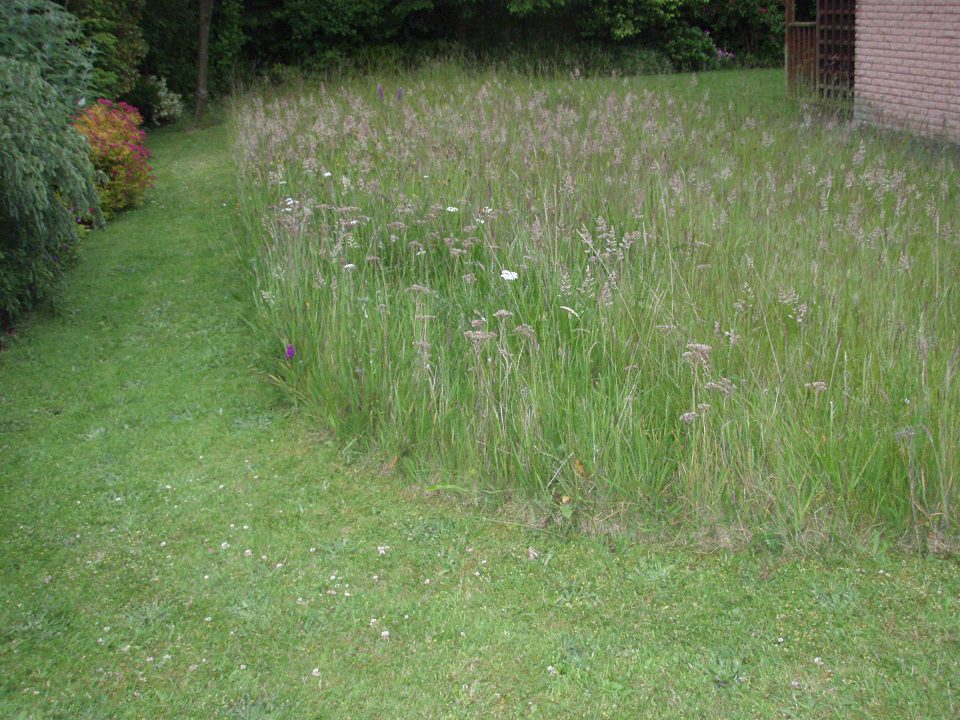

Research has revealed pollinator numbers are declining in the UK, which could have a serious effect on biodiversity, food supply and even human health. One of the main causes of pollinator decline is habitat loss, which we can all help prevent by engaging in Plantlife’s No Mow May initiative.
Across Carmarthenshire, over 70 sites have been identified as suitable for the Council’s grass cutting programme to be paused in these areas throughout May. Only paths and roadsides will be managed throughout the month. This will allow plant species to flower and provide a vital source of pollen and nectar. Longer grass also provides shelter for wildlife, reduces pollution, increases carbon sequestration and reduces carbon emissions by reducing the fuel needed to cut it.
Highway verges maintenance does not start until June so the verges will be largely left uncut, unless needed to be managed for sight lines and visibility for road users.
Carmarthenshire County Council’s Cabinet Member for Climate Change, Decarbonisation and Sustainability, Cllr Aled Vaughan Owen commented:
No Mow May isn’t just about letting your grass grow- but about letting nature breathe. By reducing mowing during this period, we support pollinator populations, enhance biodiversity and promote healthier ecosystems. No Mow May acts as a key component in mitigating effects of climate change in Carmarthenshire.
This month, why not take a closer look at your lawn and see what flowers grow during this period.
If you would like to read more about the County Council’s commitment to climate change and biodiversity, please visit our website for more information.

| [donate]
| Help keep news FREE for our readersSupporting your local community newspaper/online news outlet is crucial now more than ever. If you believe in independent journalism,then consider making a valuable contribution by making a one-time or monthly donation. We operate in rural areas where providing unbiased news can be challenging. |


It’s called No Mow May. Not Now Mow May