










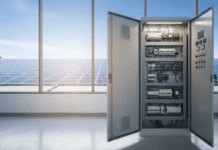





Preparing for unexpected situations ensures safety and readiness. Power outages, natural disasters, or even localized emergencies often result in an urgent need for electricity. Often, traditional sources fail in these scenarios, highlighting the importance of reliable alternatives. One such solution is the portable power station, designed to offer energy on demand. These compact, versatile devices keep essential electronics running, making them indispensable tools in ensuring a proactive approach to emergency preparedness. Understanding their function and benefits can equip individuals and households to maintain operations during emergencies and transitions back to normalcy swiftly. By integrating portable power plans into your emergency toolkit, you’re investing in peace of mind and security for any crisis.
What is a Portable Power Station?
Before diving into the advantages and applications, it’s important to understand exactly what a portable power station is and how it differs from other backup power options.
Key Features of a Portable Power Station
Portable power stations boast several noteworthy features designed for ease of use and efficiency. They often include multiple USB ports, AC outlets, and DC ports to accommodate diverse electronic devices. Many models feature an LED display to monitor battery levels and energy output. Additionally, they may have built-in flashlights or emergency lights, increasing their utility in a crisis. Advanced models also offer solar compatibility, allowing for recharging through solar panels, a crucial feature during extended outages.
How Portable Power Stations Work
These devices store energy for later use, a process handled by advanced battery technology. They can be recharged through standard wall outlets, car chargers, or solar panels. Once charged, the power station supplies energy through its outlets and ports. Internal electronic circuits regulate voltage and ensure efficient energy transfer to connected devices. This adaptability empowers users to maintain connectivity and operability, even when traditional power infrastructures fail.
The Role of a Portable Power Station in Emergency Situations
When disaster strikes, having access to reliable power can be life-saving. Here’s how portable power stations make a difference in such scenarios.
Powering Critical Devices During Emergencies
Having a reliable power source is crucial for staying connected with family, friends, and emergency services. Portable power stations enable charging of vital communication devices, ensuring that lines of contact remain open. Beyond communication, they can power medical devices, ensuring individuals with health challenges continue to receive essential care without interruption.
Portable Power in Natural Disasters
Natural disasters can disrupt power systems for days or even weeks. Floods, hurricanes, tornadoes, and earthquakes highlight the vulnerability of electricity networks. In these situations, a portable power station offers a dependable backup, powering crucial appliances like refrigerators to preserve perishable food, or heating systems to ensure warmth. This resilience is paramount for communities affected by such disruptions.
Benefits of Using a Portable Power Station for Emergency Preparedness
Incorporating a portable power station into your emergency plan isn’t just smart—it’s transformative. Let’s explore the key benefits that make it so effective.
Portability and Convenience
The compact and lightweight design of portable power stations makes them easy to carry and deploy as needed. Users can swiftly transport them to different locations, adapting to the specific requirements of any situation. This portability ensures that power is available wherever it’s most needed, without the constraints of fixed installations or unwieldy generators.
Versatility and Multiple Device Support
These systems can charge a wide array of gadgets and appliances simultaneously. Whether it’s keeping communication devices charged or powering laptops for work continuity, their versatility proves invaluable. Advanced models offer additional features such as jump-starting car batteries or providing illumination, enhancing their utility during multifaceted emergencies.

Key Considerations When Choosing a Portable Power Station
Not all portable power stations are created equal. These insights will help you select the one that’s right for your situation.
Understanding Battery Capacity
Battery capacity, typically measured in watt-hours (Wh), indicates the total energy stored. Higher capacity equates to longer operational periods and the ability to power more energy-intensive devices. When choosing a portable power station, consider the types of devices you will need to power and their consumption rates, balancing these against the station’s capacity to ensure it meets your needs efficiently.
Choosing the Right Model for Your Needs
Examine factors like output options, recharging methods, and size relative to their intended use. Consider whether you need solar recharge capabilities or the ability to power high-wattage appliances. Assess the trade-offs between size, weight, and power output to identify a model that aligns with your emergency preparedness strategy, ensuring it’s both practical and effective.
Conclusion
Adopting a portable power station as part of your emergency preparedness plan can significantly enhance safety and adaptability during unforeseen events. These versatile devices provide a reliable power source when conventional systems fail, ensuring connectivity, comfort, and security. By understanding their functionality and evaluating options based on individual needs, you can make informed decisions to bolster your readiness for any emergency situation. Investing in a portable power station is a proactive step towards maintaining normalcy amidst chaos, underscoring a commitment to resilience and peace of mind.

| [donate]
| Help keep news FREE for our readersSupporting your local community newspaper/online news outlet is crucial now more than ever. If you believe in independent journalism,then consider making a valuable contribution by making a one-time or monthly donation. We operate in rural areas where providing unbiased news can be challenging. |