














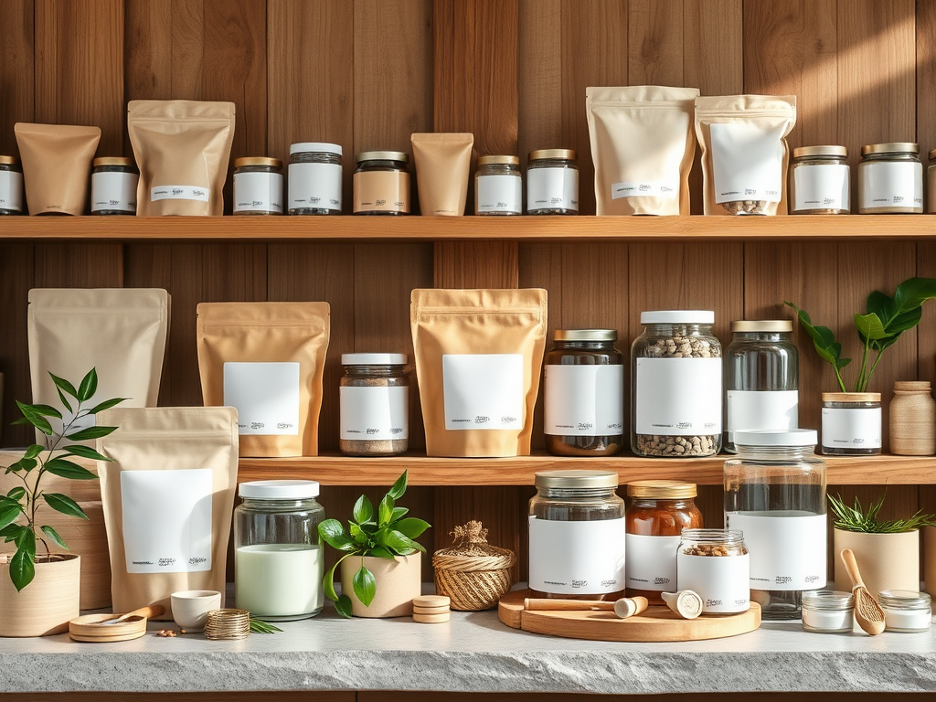

As more individuals take an active role in their personal wellbeing, the functional health market has undergone a significant shift. Consumers are no longer satisfied with generic wellness solutions; instead, they’re seeking products that align with their values, routines, and health goals. This transformation has influenced everything from product formulation to packaging formats and delivery methods. One area that has seen considerable growth is private label health supplements, where businesses can tailor products to meet niche consumer preferences without developing formulas from scratch.
This change in consumer demand has not only redefined how companies develop supplements but also how they communicate benefits and build trust. Health-conscious buyers are scrutinising labels, researching ingredients, and expecting transparency at every stage — from sourcing to sustainability.
Health Goals Are Now Personal and Purpose-Driven
Gone are the days of one-size-fits-all health products. Today’s buyers want supplements that address specific concerns, whether that’s gut health, energy, immunity, sleep, or cognitive performance. The demand is increasingly segmented, with tailored solutions aimed at demographics such as busy professionals, fitness enthusiasts, ageing populations, and even pets.
This shift has pushed brands to innovate in how they formulate, package, and market their products. Consumers expect functionality, but they also want the reassurance that the products they use are relevant to their lifestyle. The personalisation trend means formulations are becoming more targeted, often supported by clinical research or natural ingredients backed by scientific evidence.
Convenience is Crucial to Everyday Health Habits
The desire for convenience has a strong influence on buying decisions. Consumers want health supplements that integrate smoothly into their day without disruption. That’s why single-serve sachets, ready-to-drink shots, and portable formats have gained popularity, especially among those with demanding schedules or travel-heavy lifestyles.
Functional health products that are easy to use and mess-free are often chosen over more traditional formats like bulky tubs or multiple-pill regimes. This has led to growth in packaging innovation, with many brands investing in formats that preserve product efficacy while offering on-the-go practicality. Portability, ease of use, and minimal waste are now high on the priority list for supplement buyers.
Transparency and Trust Drive Brand Loyalty
Modern consumers are well-informed and want to feel confident about what they’re putting into their bodies. As a result, transparency has become a key factor in the decision-making process. Buyers often look for clean labels, traceable ingredients, and third-party testing to verify product claims.
Alongside transparency, ethical practices play a larger role in shaping buying habits. Whether it’s sustainable sourcing, recyclable packaging, or cruelty-free certification, health-conscious consumers are rewarding brands that align with their ethical standards. This shift has encouraged many businesses to rethink their supply chains, communication strategies, and values to retain customer loyalty.
Information is Fuel for Decision-Making
Access to online resources and health content means that consumers are more educated than ever. Many actively seek out product reviews, ingredient breakdowns, and expert opinions before purchasing functional health products. This level of engagement has created a more discerning buyer who is willing to switch brands if they find more trustworthy or relevant information elsewhere.
In response, businesses are enhancing their digital presence with educational content that supports informed decisions. This includes offering guides, articles, ingredient spotlights, and Q&As to bridge the gap between complex science and everyday understanding. As a result, brands that simplify the path to knowledge are more likely to earn consumer confidence and long-term loyalty.
The Functional Health Market is Being Shaped by the Individual
The evolving landscape of the functional health market is a direct reflection of changing consumer behaviour. People want products that reflect their routines, health priorities, and beliefs — and they expect these products to be both effective and convenient. Personalisation, ethical production, and education are no longer optional; they’re essential for standing out in a crowded market.
Rather than focusing solely on product features, successful businesses are paying attention to what truly matters to their audience. Consumer behaviour is no longer a trend to watch from the sidelines — it’s the driving force behind innovation, branding, and product development in the health space.

| [donate]
| Help keep news FREE for our readersSupporting your local community newspaper/online news outlet is crucial now more than ever. If you believe in independent journalism,then consider making a valuable contribution by making a one-time or monthly donation. We operate in rural areas where providing unbiased news can be challenging. |