
















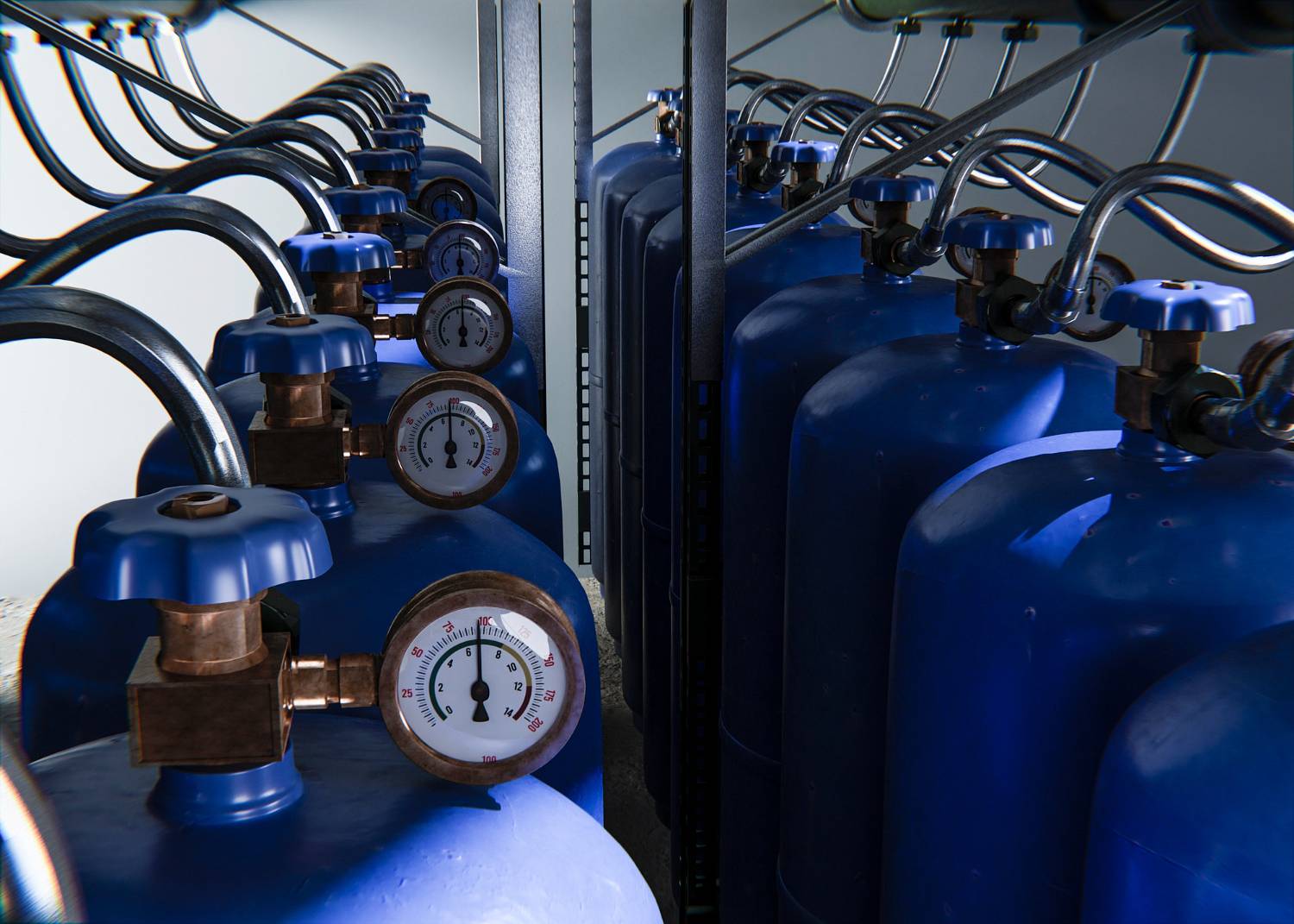

Proper Handling Techniques to Prevent Hydrogen Cylinder Hazards
As someone who’s worked extensively with hydrogen cylinders, I can tell you that handling them safely is paramount. Proper techniques are crucial to prevent accidents. First, I always thoroughly inspect each cylinder before moving or using it. Look for any visible damage – dents, rust, or signs of leaks are red flags.
When transporting a compressed hydrogen container, invest in a good-quality cylinder cart. Secure the cylinder with straps to keep it upright and prevent it from tipping or being impacted. A big no-no is rolling or dragging the cylinder; this can weaken the cylinder’s structural integrity and potentially cause leaks.
Opening the valve slowly is a must. Control the gas release to avoid rapid pressure changes, which could lead to excessive heat generation or system failure. Think of it as gently waking up a sleeping giant! It’s also essential to use regulators specifically designed for hydrogen to accurately control the pressure and prevent leaks. These regulators are built to withstand the unique properties of hydrogen, such as its small molecular size and high flammability. Always monitor the pressure gauge to ensure you’re operating within the safe pressure limits specified by the manufacturer.
Personal protective equipment (PPE) is non-negotiable. I always wear the correct PPE, including gloves and safety goggles, to minimize the risk of exposure to high-pressure gas and potential leaks. Also, double-check that all connections and fittings are tightly secured using approved tools to prevent gas escape.
Here’s a quick PPE checklist:
-
Safety goggles or face shield
-
Gloves (specifically designed for handling compressed gases)
-
Flame-resistant clothing
-
Safety shoes
Ventilation is key. I always store and use hydrogen cylinders in a well-ventilated area to prevent hydrogen accumulation. Never store hydrogen cylinders in areas with limited ventilation, as this increases the risk of hydrogen accumulating and creating a potentially explosive environment. According to OSHA guidelines, proper ventilation systems should be in place to ensure a safe working environment. If hydrogen mixes with oxygen or other oxidizers in a confined space, it creates a combustion hazard. When a cylinder isn’t in use, I make sure to close the valve completely and use a protective cap to keep the valve secure.
In an emergency, like a suspected leak, evacuate the area immediately. Follow your facility’s established protocols for hazardous gas handling. The evacuation plan should include designated escape routes and assembly points. If you suspect a leak, do not attempt to repair it yourself. Immediately contact emergency services and provide them with all relevant information, including the location of the cylinder and the extent of the leak. Regular training for personnel on safe hydrogen gas cylinder practices is essential to prevent improper use and handling errors. By adhering to these precautions, you can significantly minimize the risks associated with hydrogen storage and handling.
How to Transport a Hydrogen Cylinder Safely and Efficiently
Transporting a hydrogen cylinder requires careful planning and strict adherence to safety regulations. My approach always prioritizes preventing leaks, explosions, and exposure to high-pressure gas.
First and foremost, always secure the cylinder in an upright position. Use appropriate restraints, such as straps or brackets, to prevent any movement during transit. Remember, even lightweight and portable cylinders should be handled with care to avoid impacts that could compromise their structural integrity. It is also imperative to comply with all applicable regulations regarding the transportation of hazardous materials. This includes proper labeling, documentation, and vehicle requirements as mandated by DOT (Department of Transportation) and other regulatory bodies.
Never underestimate the importance of a secure valve cap. It’s crucial to keep the cylinder’s valve protected with a secure cap to minimize the risk of accidental release. Ensure adequate ventilation in the transport vehicle to prevent the accumulation of hydrogen, which is highly flammable and can create an explosive atmosphere if confined.
Extreme temperatures, direct sunlight, and sources of ignition are your enemies. Avoid exposing the cylinder to these during transportation. If you’re using a vehicle for transport, double-check that you are following all local regulations and industry guidelines regarding hazardous materials. This includes appropriate labeling and documentation.
Here are the key steps for safe transportation:
-
Ensure the cylinder is properly labeled according to hazardous materials regulations.
-
Use a cylinder cart to move the cylinder to the transport vehicle.
-
Secure the cylinder in an upright position using straps or brackets.
-
Ensure the valve is closed and protected with a secure cap.
-
Provide adequate ventilation in the transport vehicle.
-
Avoid extreme temperatures, direct sunlight, and sources of ignition.
-
Carry the necessary documentation, including safety data sheets (SDS).
-
Inspect the cylinder and transportation equipment regularly.
Never, ever transport a hydrogen cylinder in the trunk of a car. The poor ventilation can lead to dangerous gas buildup. Regularly inspect your transportation equipment for any signs of wear or damage that could compromise safety. Also, implement a routine maintenance schedule for the cylinders. Regular inspections and maintenance can prevent potential problems. This includes checking for leaks, corrosion, and damage to the valve and cylinder body.
These precautions might seem like a lot, but they are essential for moving hydrogen cylinders securely and reducing the risk of incidents during transit. Remember, a little extra care goes a long way in ensuring everyone’s safety. If a leak occurs during transit, immediately stop the vehicle in a safe location, evacuate the area, and contact emergency services. Provide them with detailed information about the leak, including the location, cylinder size, and any other relevant details.
Proper storage and handling of hydrogen cylinders are essential for safety and efficiency—learn more about best practices here: https://eulabindustry.com/gb/strona-glowna/111-hydrogen-cylinders–5901769657069.html.

| [donate]
| Help keep news FREE for our readersSupporting your local community newspaper/online news outlet is crucial now more than ever. If you believe in independent journalism,then consider making a valuable contribution by making a one-time or monthly donation. We operate in rural areas where providing unbiased news can be challenging. |