














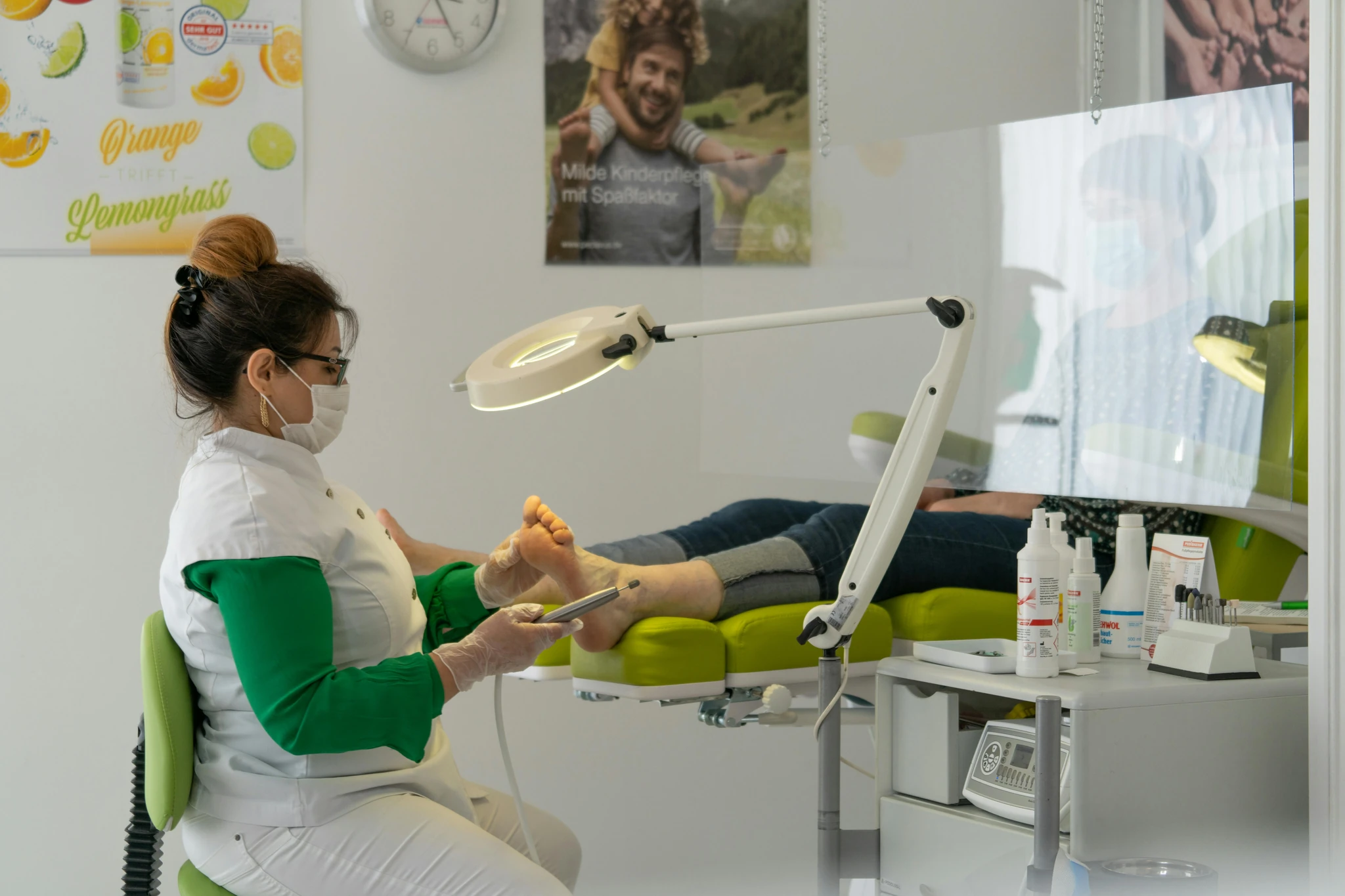

Many people spot a small bump on their foot and assume it’s just a harmless callus. But not every foot bump is simply thickened skin. Some could indicate underlying issues that need attention.
This article explains what a callus actually is, highlights conditions that often look similar, and outlines when it’s wise to consult a specialist. Recognizing the signs early can help prevent discomfort or stop a minor issue from turning into something more serious.
What Is a Callus?
A callus is a thickened area of skin that forms when repeated pressure or friction irritates the surface. It’s a natural protective response—your body’s way of shielding underlying tissues from further stress. Calluses commonly appear on the heels, toes, and balls of the feet, especially in people who walk often, wear snug shoes, or spend long hours standing.
In most cases, calluses are harmless. They usually don’t hurt and can be managed at home with regular exfoliation, moisturizing, or soft padding. But not every rough or raised patch of skin is a simple callus. When pressure builds up in one area, it can trigger other issues too, such as skin lesions, cysts, or viral growths that mimic calluses on the surface.
This is where accurate identification matters. For instance, verrucas (also known as plantar warts) can look a lot like calluses but are actually caused by a virus. If left untreated, they can grow inward and become painful. When a foot bump that seems like a callus doesn’t respond to typical care, it may require a different approach. Swift Verruca treatment involves low-dose microwave therapy that targets the wart-causing virus at its root, promoting the body’s immune response. This non-invasive approach helps destroy the viral tissue without the need for cuts or chemicals, often with minimal discomfort and quicker recovery.
When It’s Not a Callus: Conditions That Mimic Calluses
It’s easy to assume any bump is a callus, but there are several foot conditions that can look very similar.
1. Plantar Warts
Caused by a virus (HPV), plantar warts often appear on the soles of the feet. They may have tiny black dots, which are small blood vessels, and they often grow inward due to pressure from walking. Unlike calluses, plantar warts tend to hurt more when squeezed from the sides rather than pressed directly.
2. Ganglion Cysts
These are fluid-filled lumps that can form near tendons or joints. They may feel soft or firm, and while some are painless, others can be uncomfortable when shoes press against them. They can appear suddenly and grow over time.
3. Bone Spurs
A bony overgrowth, often at the heel, a bone spur, can feel like a hard lump under the skin. Unlike a callus, it’s not caused by friction but by pressure on the bone. Bone spurs may lead to discomfort when walking or standing for long periods.
4. Bunionettes (Tailor’s Bunions)
This is a bony bump that forms near the base of the little toe. It’s a structural problem, not a skin issue. Bunionettes can become red, swollen, or sore from shoe pressure and may require different footwear or medical attention to manage.
5. Plantar Fibromas
A plantar fibroma is a benign, fibrous tissue growth in the arch of the foot. It’s firm to the touch and sits under the skin, making it easy to confuse with a deep-seated callus. These can grow slowly and sometimes cause pain when walking.
How to Tell the Difference
It’s not always easy to tell if a bump is a callus or something else, but there are some key signs to watch for:
- Pain that won’t go away: Most calluses aren’t painful unless they crack. Sharp or deep pain could be a sign of something else.
- Changes in colour or shape: If the bump becomes red, swollen, or starts to change, it may need medical review.
- No response to home care: If exfoliating, moisturising, or using callus pads makes no difference, it might not be a callus.
- Black dots or rough surface: These are more typical of warts than calluses.
- Firmness beneath the skin: Calluses are usually on the surface. A lump you can feel under the skin could be a cyst or fibroma.
A “squeeze test” can help, too—plantar warts usually hurt more when squeezed from the sides than when pressed directly.
When to See a Podiatrist
If a foot bump is causing discomfort, interfering with how you walk, or simply not going away, it’s a good idea to get it checked. Here are some situations where you should consider seeing a podiatrist:
- Pain that affects your daily routine
- Signs of infection, like redness, warmth, or fluid
- Bumps that change quickly in size or colour
- Recurring or multiple bumps
- If you have diabetes or circulation issues and notice any change in your feet
A podiatrist can often tell what’s going on with a simple examination. In some cases, they may suggest imaging or even a small biopsy if needed.
Treatment Options Based on Diagnosis
What happens next depends on what the bump actually is:
- Calluses: Treated with exfoliation, foot soaks, padding, and better shoes. Regular maintenance usually helps.
- Plantar warts: Options include freezing (cryotherapy), topical treatments, or medical treatments such as Swift therapy.
- Ganglion cysts: May go away on their own. If painful, they can be drained or surgically removed.
- Bone spurs: Managed with orthotics or, in more severe cases, surgery.
- Bunionettes: Switching to roomier shoes, padding, or surgery for advanced cases.
- Plantar fibromas: These may be monitored, treated with injections, or removed if they cause pain.
Accurate diagnosis is important so you’re not treating the wrong thing—and wasting time on something that doesn’t work.
That small bump on your foot may seem like a simple callus, but it’s not always that straightforward. There are a range of other conditions that can look the same on the surface but require completely different treatments. If something doesn’t feel right, or if the bump changes over time, don’t ignore it. A quick visit to a podiatrist could save you a lot of trouble later on.
Taking a closer look at your feet today could help you stay more comfortable—and on your feet—for years to come.

| [donate]
| Help keep news FREE for our readersSupporting your local community newspaper/online news outlet is crucial now more than ever. If you believe in independent journalism,then consider making a valuable contribution by making a one-time or monthly donation. We operate in rural areas where providing unbiased news can be challenging. |