
















Understanding Doodle Breeds
What Are Doodle Breeds?
Doodle breeds are hybrid dogs. They’re created by crossing a poodle with another breed. The goal? Often, it’s to get a low-shedding coat.
Many people want a dog that doesn’t shed much. This is why doodle breeds have become so popular. It’s important to know what you’re getting.
Not all doodles are the same. The traits can vary a lot, even within the same litter.
Popular Doodle Breeds
There are many types of doodle breeds. Goldendoodles and Labradoodles are super common. Bernedoodles are also gaining popularity.
Each doodle breed has its own unique look and personality. Aussiedoodles are known for being energetic. Cockapoos are smaller and often more laid-back.
Knowing the parent breeds helps predict traits. Consider what each breed brings to the mix.
Characteristics of Doodle Breeds
Doodle breeds are known for being smart. Poodles are very intelligent, and they often pass that on. This makes doodles trainable.
Coat type is a big factor. Some doodles have curly coats, others have wavy coats. Shedding varies, but it’s usually less than many other breeds.
Temperament can vary. Some doodles are playful and energetic. Others are more calm and gentle. It depends on the mix of breeds.
Assessing Your Lifestyle Needs
Before bringing a doodle into your home, it’s important to think about your lifestyle. A doodle can be a great addition, but only if it fits your needs.
Activity Level Considerations
How active are you? Doodles need exercise. Some need more than others.
- High-energy families might love a Labradoodle.
- Less active families might prefer a Cavapoo.
- Consider daily walks, playtime, and mental stimulation.
Space Requirements
Do you live in an apartment or a house? Space matters for a dog’s comfort.
Small doodles can adapt to apartments. Larger doodles need room to roam. A cramped space can lead to stress and behavioral issues.
Time Commitment for Training
Training takes time and patience. Doodles are smart, but they need guidance.
Plan for consistent training sessions. Socialization is also key. A well-trained doodle is a happy doodle.
Consider puppy classes or a professional trainer. Be ready to invest time every day.
Exploring Bernedoodle Puppies
Bernedoodle Temperament
Bernedoodles are known for their friendly and affectionate nature. They often inherit the intelligence of the Poodle and the loyalty of the Bernese Mountain Dog. Bernedoodle puppies typically get along well with children and other pets, making them great family dogs.
They are also known to be playful and energetic, but also enjoy relaxing with their families. Early socialization is key to ensuring they grow into well-adjusted adults. Bernedoodles can be sensitive, so positive reinforcement training methods work best.
Bernedoodles thrive on attention and interaction. Leaving them alone for long periods can lead to separation anxiety. A bored Bernedoodle might start chewing or barking, so provide plenty of toys and activities.
Size Variations in Bernedoodles
Bernedoodles come in several sizes, depending on the Poodle parent’s size. You’ll find toy, miniature, and standard Bernedoodles. This variation allows potential owners to choose a dog that fits their living space and lifestyle.
Toy Bernedoodles are the smallest, often weighing under 25 pounds. Miniature Bernedoodles typically weigh between 25 and 50 pounds. Standard Bernedoodles can weigh anywhere from 50 to 90 pounds or more.
Consider the size of the parents when estimating the adult size of Bernedoodle puppies. Keep in mind that genetics can be unpredictable, and there can be variations within a litter.
Grooming Needs for Bernedoodles
Bernedoodles have a coat that can range from wavy to curly. This coat type is often described as hypoallergenic, though no dog is truly 100% hypoallergenic. Regular grooming is a must to prevent matting and tangles.
Brushing several times a week is important. Professional grooming every few months can help maintain their coat’s health and appearance. Bernedoodle puppies need to get used to grooming early on.
Don’t forget about nail trimming and ear cleaning. These are important parts of a Bernedoodle’s overall care. A well-groomed Bernedoodle is a happy and healthy Bernedoodle.
Comparing Doodle Breeds
Size and Weight Differences
Doodle sizes vary widely. It all depends on the parent breeds. You’ll find everything from tiny toy doodles to large standard ones.
Consider your living space. A big dog needs more room to roam. Smaller doodles can thrive in apartments.
Think about your ability to handle a dog. Larger dogs need more strength to manage.
Coat Types and Shedding
Doodle coats are diverse. Some are straight, some wavy, some curly. Shedding varies too.
Some doodles are low-shedding, great for allergy sufferers. Others shed more, requiring more cleanup.
Consider grooming needs. Curly coats need more attention to prevent matting. Regular brushing is key.
Temperament and Behavior
Doodle temperaments are generally friendly. But each breed has its own quirks. Goldendoodles are known for being social.
Bernedoodles can be more laid-back. Aussiedoodles are often energetic and playful. Think about your lifestyle and what kind of dog fits best.
Consider how much time you have for training and play. Some breeds need more mental stimulation than others.
Finding a Responsible Breeder
What to Look for in a Breeder
Finding a responsible breeder is key. It’s more than just getting a puppy; it’s about supporting ethical practices. A good breeder prioritizes the health and well-being of their dogs.
They should be knowledgeable about the breed. They should also be transparent about health testing and genetic screening.
Look for breeders who allow visits to their facilities. This lets you see the conditions the dogs are raised in.
Questions to Ask a Breeder
Don’t be shy about asking questions. A responsible breeder will welcome your inquiries.
- What health tests do you perform on your breeding dogs?
- Can I see the parents of the puppy?
- What is your socialization process for the puppies?
Asking the right questions helps ensure you’re getting a healthy, well-adjusted puppy. It also helps you avoid supporting unethical breeding practices.
Signs of a Reputable Breeder
Reputable breeders are easy to spot. They care deeply about their dogs.
They provide a health guarantee. They also offer ongoing support to new owners.
A good breeder will also be selective about who they sell their puppies to. They want to make sure their puppies are going to good homes.
They will ask you questions about your lifestyle. They want to ensure a good match for both you and the puppy.
Preparing Your Home for a Doodle
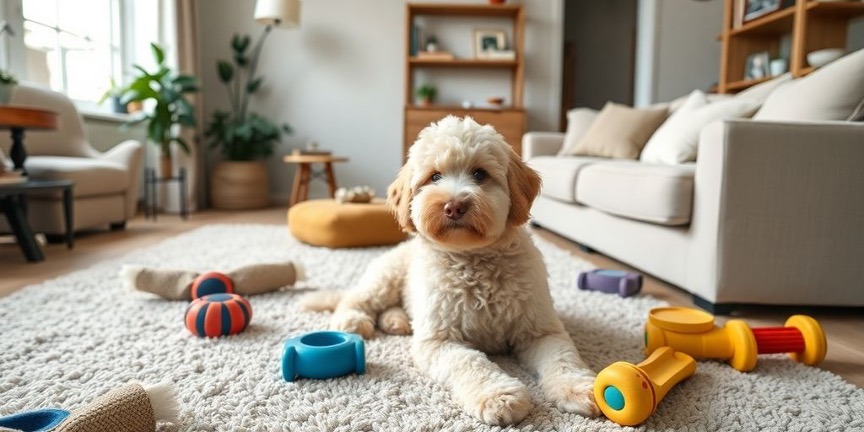
Creating a Safe Space
Think puppy-proofing! It’s like baby-proofing, but furrier. Secure anything dangerous.
Remove anything a doodle might chew on. This includes electrical cords and cleaning supplies.
Consider a crate. It’s a safe den for your new friend.
Essential Supplies for Your Puppy
Get the basics. Food and water bowls are a must. A comfy bed is also important.
Don’t forget toys! Chew toys, puzzle toys, and plush toys are great. A leash and collar are needed too.
A good rule of thumb is to buy high-quality items. They last longer and are safer for your doodle.
Introducing Your Puppy to Family Members
Slow and steady wins the race. Introduce your puppy gradually. Supervise all interactions.
Teach kids how to handle the puppy gently. No pulling tails or ears! Make sure everyone is calm.
Positive reinforcement is key. Reward calm behavior with treats and praise.
Training and Socialization Tips
Basic Training Techniques
Start early! Basic training should begin as soon as your Doodle puppy comes home. Keep sessions short, fun, and positive.
Use rewards like treats and praise to reinforce good behavior. Consistency is key; everyone in the family should use the same commands and techniques.
Potty training is a must. Establish a routine and reward successful trips outside.
Socialization Strategies
Early socialization is super important for Doodles. Expose your puppy to a variety of sights, sounds, people, and other animals.
Take your Doodle to different places, like parks, stores, and friends’ houses. Make sure these experiences are positive and controlled.
Consider puppy classes or playdates to help your Doodle learn how to interact with other dogs. This helps prevent fear or aggression later on.
Addressing Behavioral Issues
Behavioral issues can pop up, but they’re often manageable with the right approach. Identify the root cause of the problem before reacting.
Seek professional help from a certified dog trainer or behaviorist if needed. They can provide tailored advice and support.
Remember, patience and consistency are vital when addressing behavioral issues. Don’t get discouraged; with the right approach, your Doodle can overcome these challenges. Training is a continuous process, not a one-time event.
Final Thoughts on Choosing Your Doodle
In the end, picking the right Doodle breed comes down to understanding your own lifestyle and what you can offer a dog. Think about your daily routine, your living space, and how much time you can dedicate to training and exercise. Each Doodle breed has its own quirks and needs, so it’s important to choose one that fits well with your family. Don’t rush the decision—take your time to research and maybe even meet a few pups before making a choice. A Doodle can be a wonderful addition to your life, but it’s all about finding the right match for you.

| [donate]
| Help keep news FREE for our readersSupporting your local community newspaper/online news outlet is crucial now more than ever. If you believe in independent journalism,then consider making a valuable contribution by making a one-time or monthly donation. We operate in rural areas where providing unbiased news can be challenging. |