













With warmer weather sweeping the UK, Brits are being urged to watch out for exhausted bees and step in to help where they can.
Gardening experts at GardeningExpress.co.uk have offered tips and advice to help families understand what they can do if they find tired bees on the ground this summer. The warning comes as the combination of heat, long daylight hours and low rainfall puts extra stress on pollinators, who are already facing threats from habitat loss and pesticide use.
Bees often become exhausted in summer due to long foraging flights, high temperatures, and a lack of nearby nectar-rich flowers. Unlike in spring when wildflowers are more abundant, summer landscapes – particularly in urban areas – can become floral “deserts”, making it harder for bees to find the energy they need.
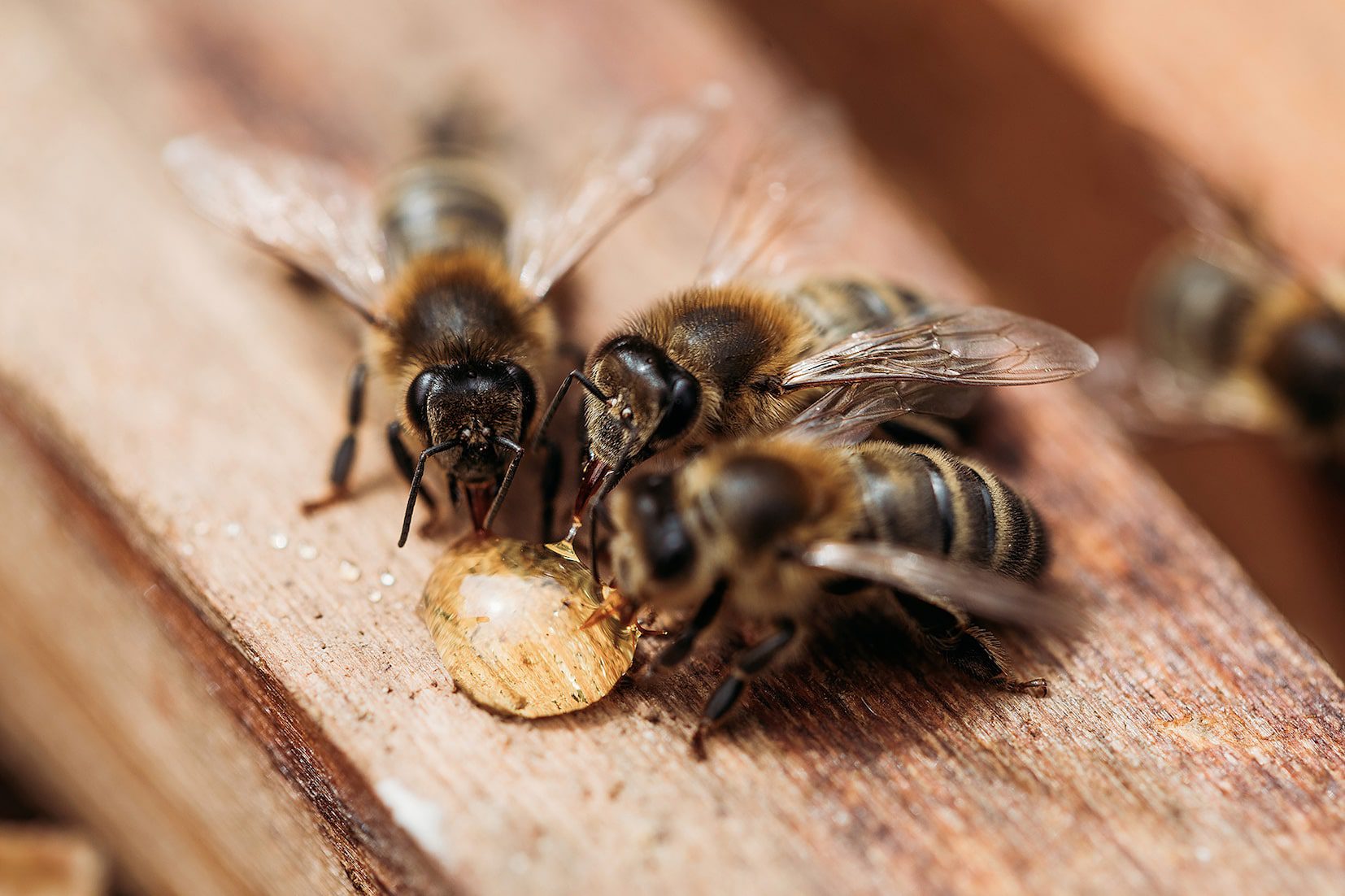
Heat can cause dehydration and fatigue, leaving bees resting on the ground as they recover their energy. But while they may appear dead or injured, many are simply worn out – and with a little help, they can be back on their wings in minutes.
Nick Wood, a gardening expert at online garden centre Gardening Express, commented: “At this time of year, it’s common to see bees lying still on paths, patios or plants. Many people assume they’re dead or injured, but often they’re just tired and in need of a quick energy boost. Using honey can be dangerous for bees, as it may carry diseases or come from a different species. A sugar-water mix is the safest and most effective option. Summer is a critical time for bees and a small act of kindness in your garden can have a big impact. Whether it’s planting pollinator-friendly flowers or rescuing a tired bee, it all helps.”
What to do if you find a tired bee in your garden this summer:
- Mix two parts white sugar with one part water to create a quick energy boost. Avoid using honey, brown sugar or artificial sweeteners – these can be harmful to bees.
- Place a few drops near the bee’s head, ideally on a spoon, plate or leaf. Don’t pour it directly onto the bee, as this can drown or overwhelm it.
- Give the bee time to drink and recover. It may take a few minutes for the sugar to take effect, so be patient. Avoid picking it up unless absolutely necessary, as handling can cause stress or damage.
- Once it’s revived, it should fly away on its own. If the bee doesn’t move after a long period or seems injured, it’s best to gently move it to a sheltered spot out of direct sunlight and away from foot traffic or predators.
For families that want to go one step further, planting pollinator-friendly flowers like lavender, foxgloves, echinacea, or alliums can provide vital food sources. Even a small container garden or window box can make a big difference. Providing a shallow dish of water with stones or marbles inside also gives bees a safe place to land and drink without risk of drowning.

| [donate]
| Help keep news FREE for our readersSupporting your local community newspaper/online news outlet is crucial now more than ever. If you believe in independent journalism,then consider making a valuable contribution by making a one-time or monthly donation. We operate in rural areas where providing unbiased news can be challenging. |