
















The RSPCA is calling for a closer examination of rabbit care and breeding after shocking cases of pets being inappropriately housed with basic welfare needs unmet.
This Rabbit Awareness Week (June 23-27), the animal organisation and supporting charities have teamed up to urge owners to provide their pet rabbits with suitable and well enriched accommodation/living spaces – so rabbits have enough room to rest, exercise and express their natural behaviours like hiding, digging and foraging.
The appeal comes after the charity’s officers have been called out to tackle incidents of neglect where rabbits have been abandoned or kept in squalid and cramped conditions.
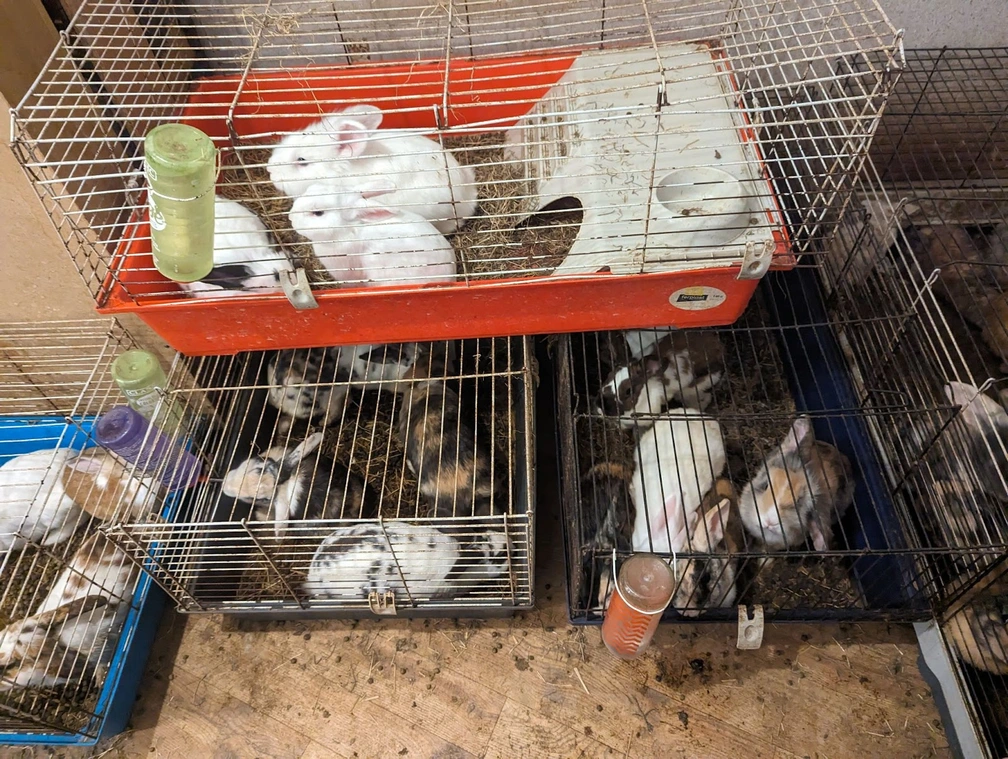
One such call-out led to the prosecution of two people when over 100 rabbits were found packed into over 30 cages on the first floor of a property in the East of England in December 2023. A witness contacted the RSPCA after finding the rabbits overcrowded in basic cages (pictured below). Cases like this highlight how a lack of understanding of how to care for rabbits, including how they should be housed, can still be all too prevalent.
The RSPCA and other animal welfare charities recommend a medium-sized pair of rabbits should be housed in an enclosure measuring at least 3 metres by 2 metres and 1 metre high (approx 9.9 x 6.6 x 3.3ft), but if possible owners should consider even larger accommodation.
Some of the cages in the property were so small they would ordinarily have been used for keeping hamsters. Several of the rabbits were also found underweight, while one lay dead in one of the cages.
It is feared neglect of rabbits continues amid a crisis which has seen many rescues struggling to cope with the numbers of rabbits abandoned, mistreated or given up by owners who have failed to neuter their pets and then have become overwhelmed by out-of-control breeding.
While the numbers of rabbits being abandoned and taken into care at RSPCA centres has fallen in the last two years, the charity is still left with large numbers of rabbits that need rehoming. Between 2022 and 2024 RSPCA national centres took in 2,665 rabbits.
Of small pets rabbits are the most likely to be abandoned with the RSPCA dealing with 4,619 abandoned rabbits in the three years from 2022 and 2024. In a similar period 1,329 guinea pigs, 1,122 ferrets and 837 rats were abandoned.
Three years ago, after a box of rabbits was found on the doorsteps of its centre, RSPCA Kent North-West Branch decided to invest in new rabbit accommodation at Folkestone (pictured) to provide the best possible care for bunnies while showcasing how enclosures should be spacious and comfortable, allowing bunnies the chance to hop, skip and jump.
Since then the branch has become a refuge for many rabbits who have been saved from neglect and unsuitable conditions across the South East. One of the pets rescued from the Bedfordshire property, a three-legged rabbit, was recently rehomed, while others given refuge were among around 30 rabbits a former breeder left at a property in Sussex. The RSPCA has since worked with the householder to rehome some of the rabbits.
RSPCA officers tackle many cases of overbreeding by offering advice on reducing numbers and tips on keeping rabbits in good health, such as a recent visit by an Inspector to a property in Durham where 70 rabbits were found packed into small hutches in an outhouse.
Kent North West Branch Manager Becky Blackmore said: “Overcrowding can be caused by unneutered rabbits multiplying beyond the control of an owner or breeder. Female rabbits can have many litters and if you don’t sex your rabbits and keep males and females apart you can easily have your female buns falling pregnant every six weeks. From a multiple-rabbit case in Bedfordshire we took in a rabbit who had three legs, but we have managed to find her a fantastic home. There are so many rabbits in rescue at the moment that it just doesn’t make any sense to breed rabbits. We fear many people that breed for money are not interested enough in providing proper accommodation and keeping their rabbits healthy. Our branch took in a number of rabbits recently from a property where there had been poor animal husbandry with up to 30 rabbits kept in one space and that led to poor health outcomes. One of the rabbits we took in had cancer and another had ear and eye problems. We still have some of these rabbits for rehoming, although because of their health problems we sadly lost two of them.”
It is estimated there are around 1.7 million rabbits kept as pets in the UK, yet they are considered to be one of the most susceptible to neglect and bad treatment of all pets – because of common misconceptions about their welfare needs, including providing suitable accommodation.
In recent years, the RSPCA has supported a campaign by the Rabbit Welfare Association and Fund (RWAF) calling for a breeding amnesty in a bid to curb the rise in abandoned and mistreated rabbits.
RSPCA Scientific and Policy Officer Dominika Jagoda says among the reasons why rabbits face so many problems is that their breeding is not properly regulated.
“People don’t think about where the rabbits come from and we need more public awareness about this. There is a lack of regulation around the breeding of rabbits,” said Dominika.
“Between 2018 and 2024 over 30,000 advertisers posted nearly 117,000 rabbit sale listings online, amounting to around 350,000 rabbits for sale, and that highlighted the scale of unregulated trade which is fuelling the UK’s rabbit welfare crisis.
“Rabbit breeding is largely unregulated, whereas those people who, for example, breed dogs, typically require a licence. Rabbits are one of the most misunderstood animals and we need to address this so that owners have the information at hand to meet the welfare needs of their pets and that includes housing bunnies in properly sized accommodation, well enriched, safe and secure.”
The minimum enclosure guidelines are among a number of tips for owners and those thinking of adopting rabbits as pets which are included in special digital packs provided for Rabbit Awareness Week under the theme “Happy, Hoppy Homes”. They can be downloaded from the Rabbit Awareness Week website.
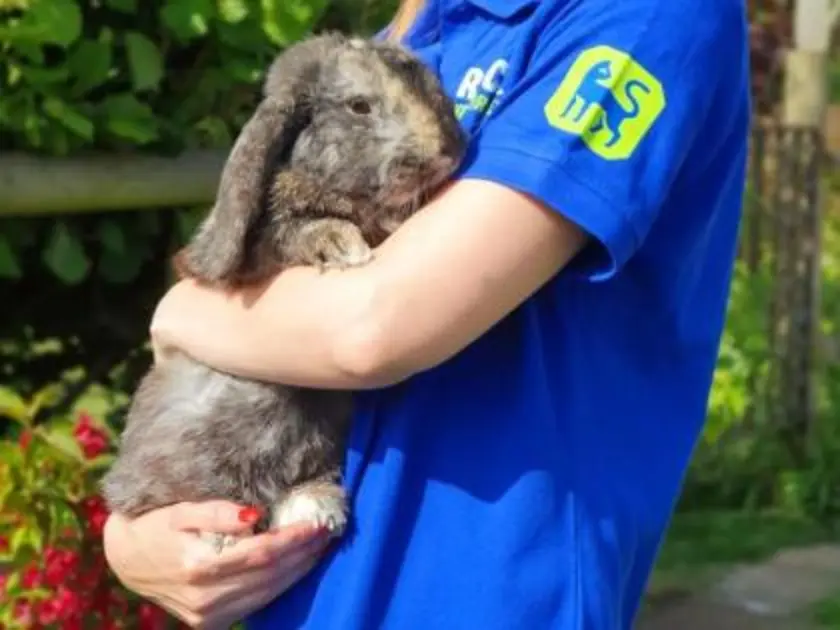
To help alleviate the rabbit crisis, the RSPCA recommends that people consider adoption from a rescue centre. The charity’s Kent North-West Branch has three lop rabbits, Bluford (pictured below), Polar and Pebbles, as well as a Dutch rabbit called Orca, who were all taken from the property of the former breeder in Sussex. Adoption forms are available online.
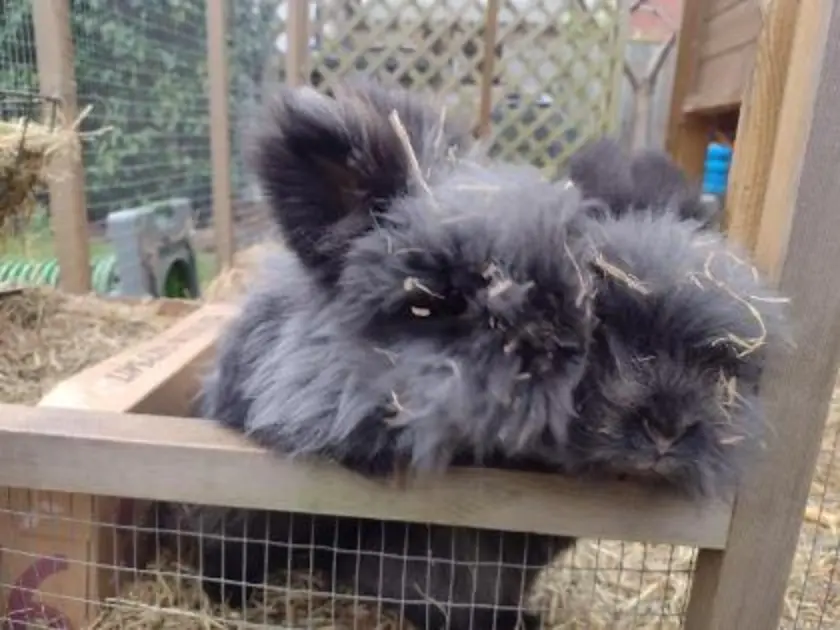
Meanwhile, RSPCA Crewe, Nantwich and District Branch has two stunning looking Lionhead rabbits Cosmo and Gaia (pictured below)who are looking for an outdoor home with plenty of space to run around and explore. Ideally, the bonded male and female pair, who are around five years old, would have unrestricted access to a large exercise run and regular free roaming time in a secure garden.
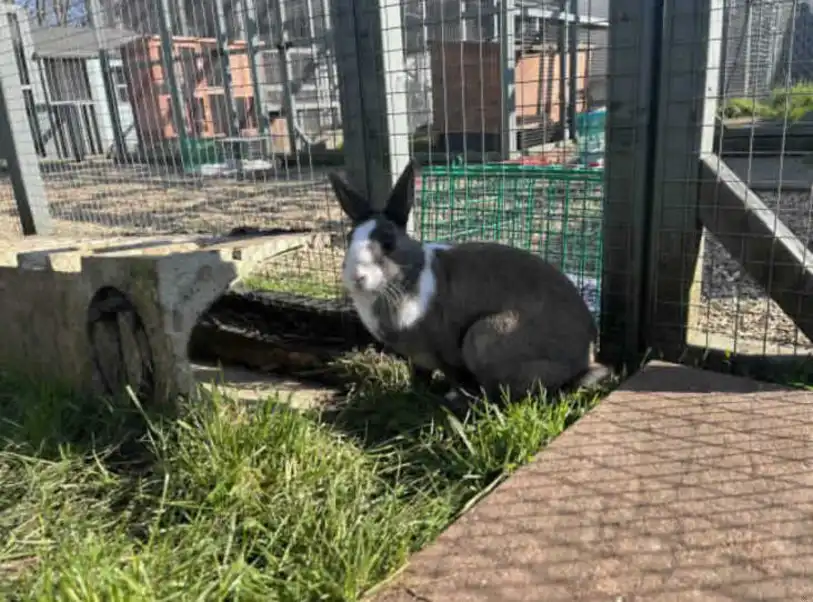
RSPCA Leybourne Animal Centre is looking for a home for Dave (pictured below)who arrived at the centre over a year ago following a multi-animal investigation by the charity. He has grown from a baby bunny into an independent rabbit, but he has got a bit lonely and now could do with being bonded with a neutered female in a new home.
Summer should be a season of joy for animals. Long walks on golden evenings. Zoomies on the beach. Stretching out in the garden to soak up the sun. But there’s a side to summer you don’t see. For thousands of animals, it’s a season of pain, fear and suffering, when cruelty peaks. Support the RSPCA’s Summer Cruelty Appeal at: rspca.org.uk/endcruelty.

| [donate]
| Help keep news FREE for our readersSupporting your local community newspaper/online news outlet is crucial now more than ever. If you believe in independent journalism,then consider making a valuable contribution by making a one-time or monthly donation. We operate in rural areas where providing unbiased news can be challenging. |




vlzwtz