













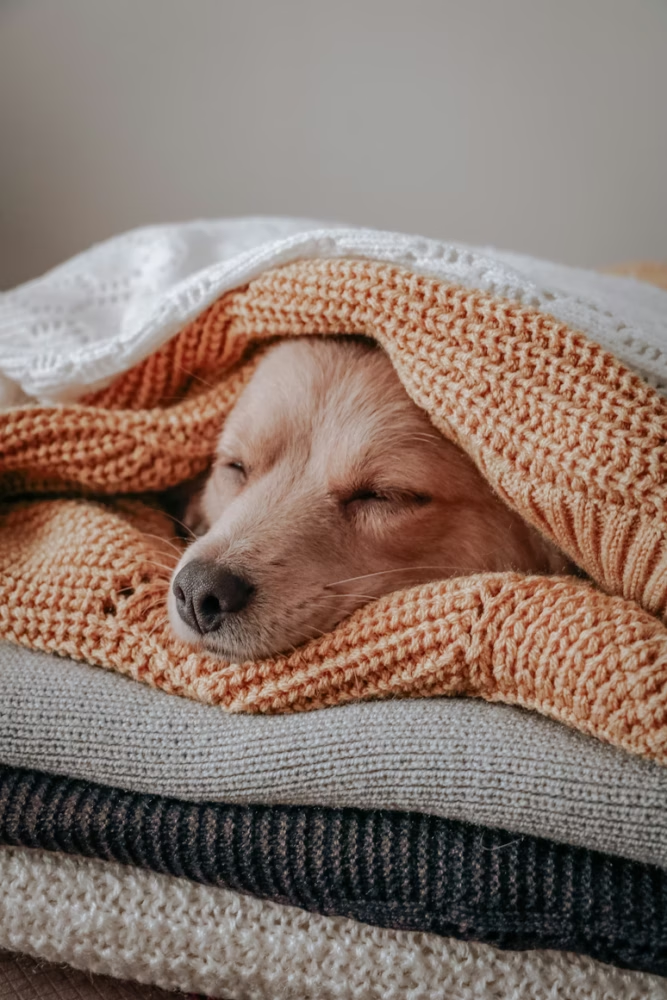

More than a quarter of dogs (27%) sleep fewer than 10 hours per day, leaving many short of the 12 to 16 hours they need for healthy development, behaviour, and recovery. With World Sleep Day on 13th March spotlighting the importance of good rest, Dr Sarah Page-Jones, Head Veterinary Surgeon at Pet Drugs Online, explains what happens when dogs don’t get enough sleep and the steps owners can take to support their sleep health.
The importance of sleep
Dr Sarah Page-Jones says: “Dogs rely on good-quality sleep the same way humans do; it’s a fundamental behaviour that helps recharge their energy, repair muscles, and improve memory. How much sleep they get, and the quality of that sleep, can impact both their physical health and cognitive performance. Puppies need the most sleep due to their rapid growth, and they typically sleep for around 18 to 20 hours per day to support their immune system and memory consolidation. Adult dogs are expected to sleep between 12 and 16 hours per day, depending on the size of the breed. Older dogs may also need additional sleep as their energy levels decrease, getting around 14 to 16 hours per day.”
Signs of sleep deprivation
When dogs experience sleep issues, they typically display physical signs that indicate they aren’t getting enough sleep. Owners should pay close attention to the behaviour and patterns of their pet to catch sleep deprivation early on, as it impacts both their mood and overall health. A tired dog will most commonly appear restless, and even distressed, throughout the day. Simple actions, such as being left alone for too long, can become stressful to dogs that haven’t had enough sleep. They’ll start pacing and whining to show their restlessness. Another common sign that your dog is experiencing sleep deprivation is increased irritability and aggression. If your pooch is normally calm and suddenly starts acting out, it’s possible that they’re not sleeping properly. Just like humans, a lack of sleep can make dogs cranky and moody. Similarly, if your dog is excessively barking and you’re worried about the amount of sleep they’re getting, this could be a behaviour that indicates as such.
How to improve your dog’s sleep
- Establish a consistent routine
Your dog needs to have a consistent daily routine and a regular sleep schedule that lets them know when it’s time to rest. Try to keep mealtime, daily walks, and bedtime at the same time each day. This includes an established nighttime routine that helps them prepare, including a nutritious dinner a few hours before bed (with ample time for them to digest their food), one final potty break to prevent waking through the night, and calming activities to help them unwind.
- Create the ideal environment
A comfortable environment will positively impact the quality of your dog’s sleep, and having a dedicated space for them to rest is essential. Ensure their bed is comfortable and located in a quiet area of the home, preferably away from busy street noise or electronics such as the TV and radios. Temperature is also crucial – make sure it’s warm enough without causing them to overheat.
- Ensure adequate stimulation
Throughout the day, your pet should be receiving mental stimulation through games and exercise. The physical and mental challenge of these activities plays a crucial role in helping your dog sleep, leaving their bodies and minds positively fatigued. Ensure their day is planned with adequate stimulation to aid a healthy sleep pattern, but avoid putting intense activity too close to bedtime.

| [donate]
| Help keep news FREE for our readersSupporting your local community newspaper/online news outlet is crucial now more than ever. If you believe in independent journalism,then consider making a valuable contribution by making a one-time or monthly donation. We operate in rural areas where providing unbiased news can be challenging. |