













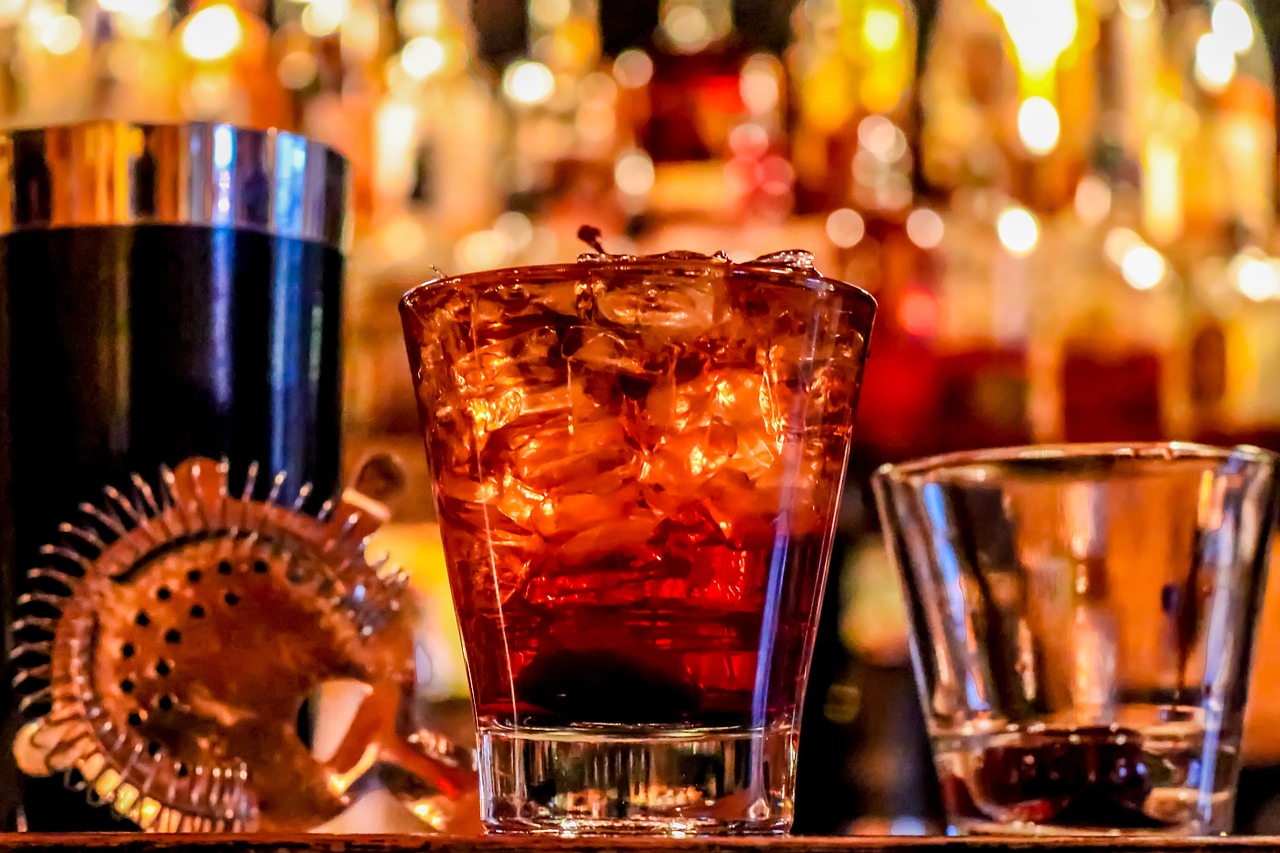

As a nation built on the pint glass, Lee Hawker-Lecesne, Clinical Program Director at The Cabin, Drug and Alcohol Rehab in Thailand looks at how Alcohol Awareness Week (July 7th-13th), offers a chance to explore the deep and often unchallenged relationship between British culture and alcohol. Across centuries, alcohol has not merely existed in the UK; it has flourished as a ritual, a symbol, and an emotional utility. From the roaring ales of Shakespearean taverns to the glinting prosecco flutes of Instagram reels, drinking in Britain is more than a habit, it’s an identity.
At the heart of this national identity sits the institution of the pub. The British pub is not simply a place to drink but a cornerstone of social interaction. It is a gathering place, a community hub, a second living room. It has traditionally hosted everything from birthday parties to wakes, awkward first dates to football match viewings. It is both a stage and sanctuary. The phrase “down the pub” carries with it connotations of camaraderie, relief, release. As Lee puts it, “The pub isn’t just where we drink – it’s where we decompress, connect, and perform versions of ourselves.”
Excessive Alcohol Consumption in the UK
Yet behind the warmth of these traditions lies an uncomfortable truth: the UK’s relationship with alcohol is one of the most excessive in Western Europe. According to the Office for National Statistics, alcohol-specific deaths in England and Wales reached a record high of over 8,700 in 2023. Public Health England also reports that nearly one in four adults regularly engages in binge drinking, defined as consuming more than 6 (women) or 8 (men) units in a single session². These numbers are not abstract. They translate into overflowing A&E departments, lost productivity, fractured families, and spiraling mental health conditions. “Alcohol harm doesn’t always look like addiction. Sometimes it looks like burnout, loneliness, or a body quietly breaking down,” says Lee.
Alcohol’s presence in Britain is not accidental. It is perpetuated and polished by a slick global marketing machine that has become increasingly sophisticated in its reach. From influencer campaigns and festival sponsorships to the explosion of “lifestyle” wines and artisanal gins, the alcohol industry has mastered the art of making drinking aspirational. In UK media portrayals, alcohol is rarely shown as problematic. It is the stuff of celebration, reward, and even self-care. Wine is offered as the modern mother’s ally, beer as the working man’s reprieve, cocktails as the urban professional’s badge of cool. These narratives are carefully constructed – and incredibly effective. Marketing doesn’t just sell alcohol. It sells the idea that to not drink is to somehow be dull, difficult, or alone.
But what happens when a whole generation starts rejecting that narrative?
Generation Z – broadly those born between 1997 and 2012 – are drinking less alcohol than any generation before them. And not just marginally less, but dramatically. According to a 2024 YouGov survey, 39% of 18- to 24-year-olds in the UK report being teetotal, compared with just 15% of their millennial predecessors at the same age. The decline is consistent across the Western world: similar patterns are emerging in the United States, Australia, and across much of Europe. We’re seeing a generation that questions inherited norms. For Gen Z, alcohol isn’t a rite of passage, it’s an option.
A recent study by Mintel found that young Britons aged 20 to 24 are nearly 50% less likely to buy alcohol for home consumption compared to those aged 75 and over. And the market is responding. Major supermarkets and drinks brands are expanding their no- and low-alcohol offerings at a rapid rate. From zero-proof spirits to botanical sodas and alcohol-free IPAs, the new sober market is booming – and it’s being driven by younger consumers.
“Industry adapts quickly to demand, and right now, the demand is for clarity, control, and connection,” Lee explains. “This is not a temporary blip or a new wave of puritanism. It reflects a deeper, values-based shift in how young people see health, identity, and social connection. It also raises a potent question: If Gen Z can do it, why can’t the rest of us? This isn’t about moral superiority. It’s about emotional agency. Gen Z is asking, ‘What makes me feel good tomorrow?’ not just tonight,” Lee observes.
Why Are Gen Z Drinking Less?
1. Health and Mental Wellbeing:
This generation is far more attuned to the link between alcohol and mental health. They’ve grown up in a post-wellness era, surrounded by conversations about anxiety, depression, and trauma. Alcohol, rather than being seen as a comfort, is increasingly viewed as a depressant and disruptor of sleep, emotional stability, and physical health. In a 2023 NHS Digital survey, over 60% of Gen Z respondents cited “mental health and wellbeing” as a major reason for choosing to drink less or not at all. When you’re raised with language for your anxiety, it makes sense to avoid something that amplifies it.
2. Financial Pressure:
The cost-of-living crisis has hit young people hard. With rising rents, university debt, and stagnant wages, many are opting to spend money on experiences, health, and savings rather than nights out. A night of heavy drinking when you factor in pre-drinks, transport, club entry, and the inevitable kebab, can quickly burn through the better part of £50-100. In a time of economic uncertainty, cutting alcohol is a practical choice. Alcohol is expensive not just in pounds, but in productivity and peace of mind. Gen Z knows the price of both.
3. Digital Reputation and Image Control:
Gen Z are the first generation to come of age entirely online. Their lives are lived through lenses and timelines, and they are hyper-aware of how easily drunken mistakes can become viral missteps. Being in control isn’t just a preference, it’s a form of self-protection. The idea of being filmed slurring on a friend’s story or ending up meme-worthy on TikTok is enough to encourage moderation, if not full sobriety. You can’t untag regret. Gen Z are crafting lives they don’t need to excuse in the morning.
4. Evolved Social Norms and Alternatives:
Sobriety is no longer the awkward option. With a surge in alcohol-free bars, sober social apps, and influencers promoting “dry lifestyle” content, being sober now carries a kind of social kudos. Alcohol-free is not just accepted in some circles, it’s celebrated. It is no longer necessary to drink to belong. For Gen Z, connection is about shared values, not shared hangovers.Belonging doesn’t require a buzz. Gen Z are proving that authenticity trumps intoxication.
5. Better Options:
Non-alcoholic drinks are no longer limited to warm orange juice or sugary colas. Craft beverage innovation has exploded, giving rise to alcohol-free gins, hoppy non-alcoholic beers, and mood-enhancing functional drinks. The appeal of a grown-up, aesthetically pleasing beverage without the fallout is clear. Taste without the toxicity. That’s the win Gen Z are chasing.
Turning the Mirror Inward
Gen Z’s quiet revolution gives the rest of us an invitation: not to copy, but to reflect. Here are some uncomfortable, but necessary questions to ask ourselves this Alcohol Awareness Week:
- Is alcohol still a conscious choice for me, or has it become a habitual default? Would I be proud if someone I loved drank the way I do?
- If alcohol didn’t exist, what part of my life would collapse – my social circle, my coping strategy, my sense of identity?
- Am I drinking because I enjoy it, or because I don’t know how else to manage what I’m feeling?
A Cultural Rethink?
What we’re seeing is not the decline of fun, but the redefinition of it. Gen Z haven’t stopped celebrating. They’ve just stopped relying on alcohol to do it. Their social lives are no less vibrant, they’re just more intentional.
As Alcohol Awareness Week invites all of us to reflect, perhaps the best thing older generations can do is get curious. We don’t need to copy Gen Z’s lifestyle wholesale. But we can learn from their discernment. Their generation is showing that another way is not only possible, it’s already happening.
“We owe it to ourselves to wonder whether the way we drink still serves the lives we want to live,” says Lee. “Maybe ask yourself: What does alcohol give me? What does it take away? And who might I be if I gave myself the space to find out?”
Lee Hawker is the Clinical Programs Director at The Cabin Group, an international network of treatment centres specializing in addiction and mental health. With over 25 years of experience in applied psychology and a clinical background rooted in trauma-informed care, Lee leads innovative, evidence-based programs that serve diverse populations across Asia and Europe. His professional focus is on reshaping conversations around recovery, resilience, and the social drivers of substance use.

| [donate]
| Help keep news FREE for our readersSupporting your local community newspaper/online news outlet is crucial now more than ever. If you believe in independent journalism,then consider making a valuable contribution by making a one-time or monthly donation. We operate in rural areas where providing unbiased news can be challenging. |