













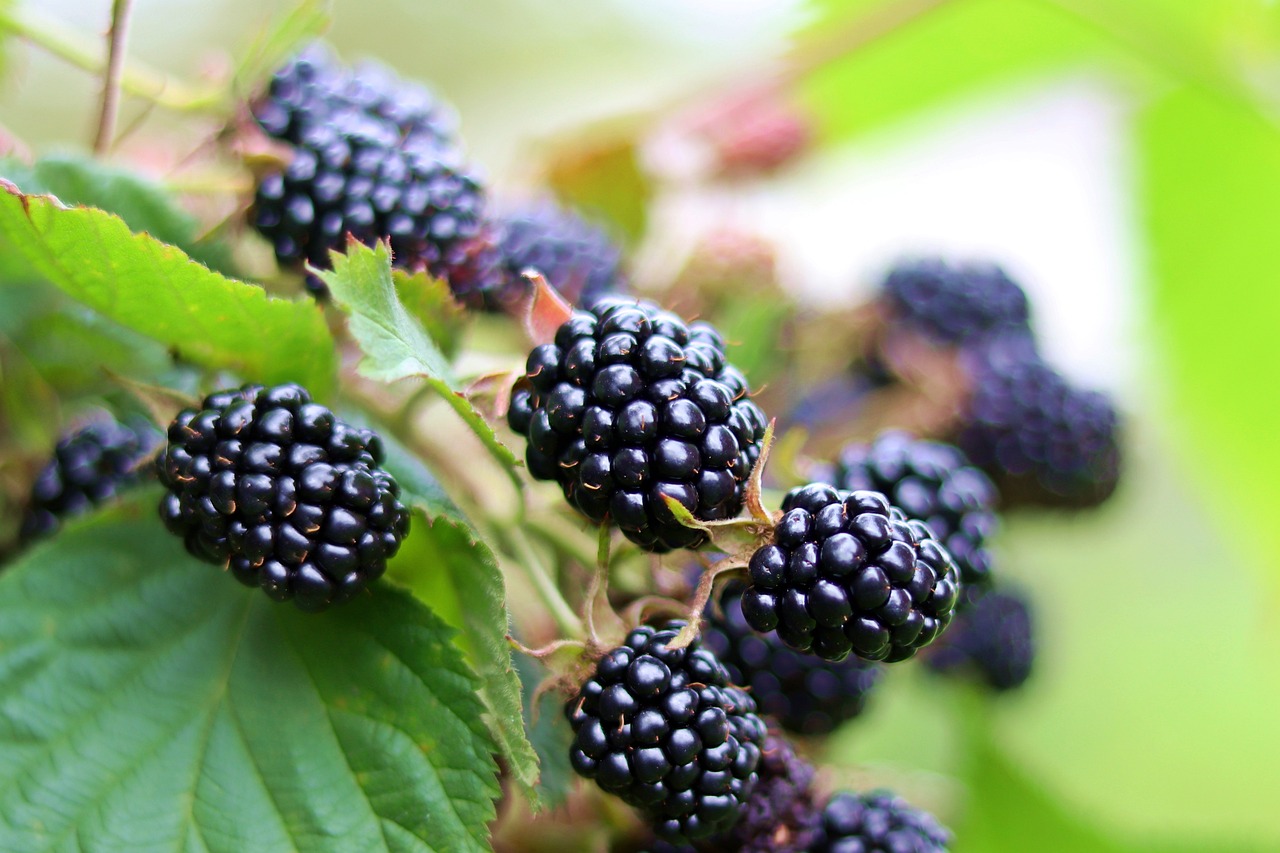

Families are being reminded of the laws and etiquette around picking wild blackberries in the UK this summer and autumn – as foraging in certain areas is strictly off-limits and could result in fines of up to £300.
Experts at ecology consultancy Arbtech have warned that foragers must follow the rules to avoid breaking the law or damaging the environment. Wild blackberries are one of the most versatile foraged fruits in the UK, as they can be used fresh, frozen, cooked, or preserved.
August, September and early October are the best months to pick these juicy fruits, but Arbtech is urging pickers to do so responsibly, as hedgerows are a vital food source and habitat for wildlife, including birds, insects and small mammals. Stripping bushes bare or trampling surrounding vegetation can cause long-term harm to local ecosystems. It can also be a criminal offence if done so irresponsibly.
Under the Theft Act 1968, picking wild flowers, fruit, fungi, and foliage – known as the “Four F’s” – is generally permitted, but with some restrictions. People are allowed to forage blackberries for personal use, provided they don’t uproot the plant. That means gathering blackberries from hedgerows and commons is generally legal, as long as they’re not sold for profit. However, picking on private land without the owner’s consent could be classed as trespassing, and many protected areas such as nature reserves, Sites of Special Scientific Interest (SSSIs) and some Royal Parks have bylaws banning foraging altogether. If you get caught picking blackberries where you’re not allowed, it doesn’t matter how little you took, you could still face a fixed penalty which in some cases can range from around £100 to £300*.
Arbtech’s experts say sustainable foraging is essential to protect wildlife and plant health. Berries should be picked sparingly, with plenty left behind for birds and other animals, and care must be taken not to damage surrounding habitats.
A spokesperson for Arbtech commented: “Blackberry picking is a brilliant way to enjoy the outdoors and connect with nature, but it’s important to remember that we’re not the only ones who rely on them. Think of hedgerows like wildlife supermarkets – birds, mammals and insects all depend on those berries for food. So if we take too much or damage the plants, we’re removing a vital resource. The golden rule is to pick lightly, leave plenty behind, and always check whether you’re allowed to forage in that spot because in some places it’s not just bad etiquette, it’s against the law!”
Five tips to forage blackberries responsibly:
- Only take what you need
Pick modest amounts for personal use and leave plenty for birds, mammals, and other foragers.
- Avoid protected or restricted areas
Check signage and local bylaws as many nature reserves, SSSIs, and Royal Parks ban foraging.
- Protect the plant and habitat
Use gentle picking methods, avoid trampling surrounding vegetation, and never uproot or cut parts from the plant.
- Steer clear of polluted spots
Don’t pick near busy roads, industrial sites, or low branches that could be contaminated by animal waste.
- Wash before you eat
Rinse thoroughly to remove dirt, insects, and pollutants before consuming or cooking.

| [donate]
| Help keep news FREE for our readersSupporting your local community newspaper/online news outlet is crucial now more than ever. If you believe in independent journalism,then consider making a valuable contribution by making a one-time or monthly donation. We operate in rural areas where providing unbiased news can be challenging. |