













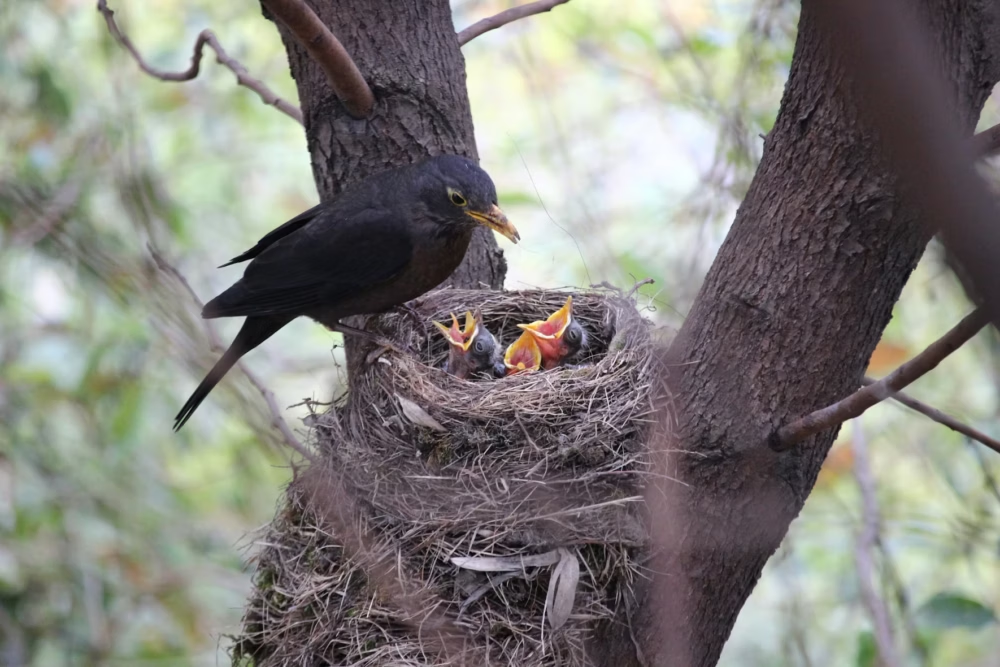

Brits are being advised on how to protect birds during the nesting season, as populations face ongoing decline.
Garden experts from Gardening Express have shared essential dos and don’ts for caring for birds at this time. They urge gardeners to avoid cutting hedges between March and September, as this can put nesting birds at risk. Under the Wildlife and Countryside Act 1981, it is illegal to damage or destroy a wild bird’s nest.
Trimming hedges during the nesting season increases the risk of disturbing or destroying active nests, which could lead to fines. It is also important to consider the materials and food provided for birds as harmful nesting materials, such as synthetic fibres or pet fur, can become tangled around birds or cause illness. Unsuitable foods can also be dangerous, and gardeners should stick to safe options, including unsalted peanuts, birdseed, and mealworms.
Chris Bonnett, founder of Gardening Express commented: “When spring arrives and birds start visiting the garden, it’s lovely and many people want to encourage more – it’s just important to make sure what you’re doing actually benefits them, rather than accidentally causing harm. Leaving out the right food and nesting materials can really help birds during nesting season, but there are plenty of misconceptions about what’s safe. It’s important that you stick to natural, chemical-free materials and suitable foods that haven’t gone bad and contain no added salt or sugar – if you are unsure, it’s better to be safe and stick to bird-specific food. When birds are nesting, they usually pick dense hedges or trees to stay safe, so try not to cut hedges between March and September, as you could disturb them. You can also place a few different nesting boxes around the garden to help more birds visit and nest safely during the breeding season.”
Bird nesting season dos and don’ts:
Don’t leave out harmful nesting material
Some materials commonly left out for nesting birds can actually be harmful, and in some cases, life-threatening. Items such as animal fur, synthetic fibres, and human hair shouldn’t be left out for birds, as they can entangle or injure them. Instead, opt for safe alternatives including dried grass, soft twigs, natural fibres and moss.
Don’t cut hedges during nesting season
In the UK it is illegal to intentionally harm or destroy a bird’s nest under the Wildlife and Countryside Act 1981, and while not strictly prohibited, cutting or trimming hedges between March and September can increase the risk of destroying nests, leaving chicks vulnerable to predators. Leaving hedges undisturbed during this period allows birds to thrive, supporting their important role in the garden, controlling pests and pollinating.
Don’t disturb baby birds that have fledged
Sometimes baby birds might be found away from their nest, this could be because they’ve fallen, or fledged early. It’s important not to move them, as their parents are usually still caring for them. Keep a close eye on the bird to assess the situation, only interfere if it seems in distress or immediate danger to predators.
Do use different types of nesting boxes
Different sized nesting boxes will accommodate different species of birds, and having a range of shapes and sizes will attract a variety of birds to your garden. There are plenty of options from boxes with hole openings, which are ideal for blue tits and sparrows, open-fronted boxes, which are great for robins and wagtails, woodpecker hatches and larger boxes for owls.
Do place nesting boxes in suitable places
It’s important to place bird boxes in suitable locations where they are out of the way of predators. Position the box between 1.5 and 3 metres high, leaving enough space for birds to enter and exit quickly if threatened. The box can be attached to a tree, fence, or shed and should be placed away from strong winds.
Do provide clean water and correct foods
It’s really important that when feeding birds you give them the correct food and clean water. Stick to things like mixed bird seeds, unsalted peanuts, suet and mealworms. Fresh fruit such as apples or berries can also be suitable for some species like robins and blackbirds. Avoid foods that are harmful, such as bread, salty snacks, or mouldy leftovers. Water should always be fresh and changed regularly to prevent disease.

| [donate]
| Help keep news FREE for our readersSupporting your local community newspaper/online news outlet is crucial now more than ever. If you believe in independent journalism,then consider making a valuable contribution by making a one-time or monthly donation. We operate in rural areas where providing unbiased news can be challenging. |