














In 2021, UNESCO reported that over half of the world’s population lives in urban areas—and that number is expected to reach 68% by 2050. As more people move into cities, the built environment isn’t just about function—it’s about identity, memory, and meaning.
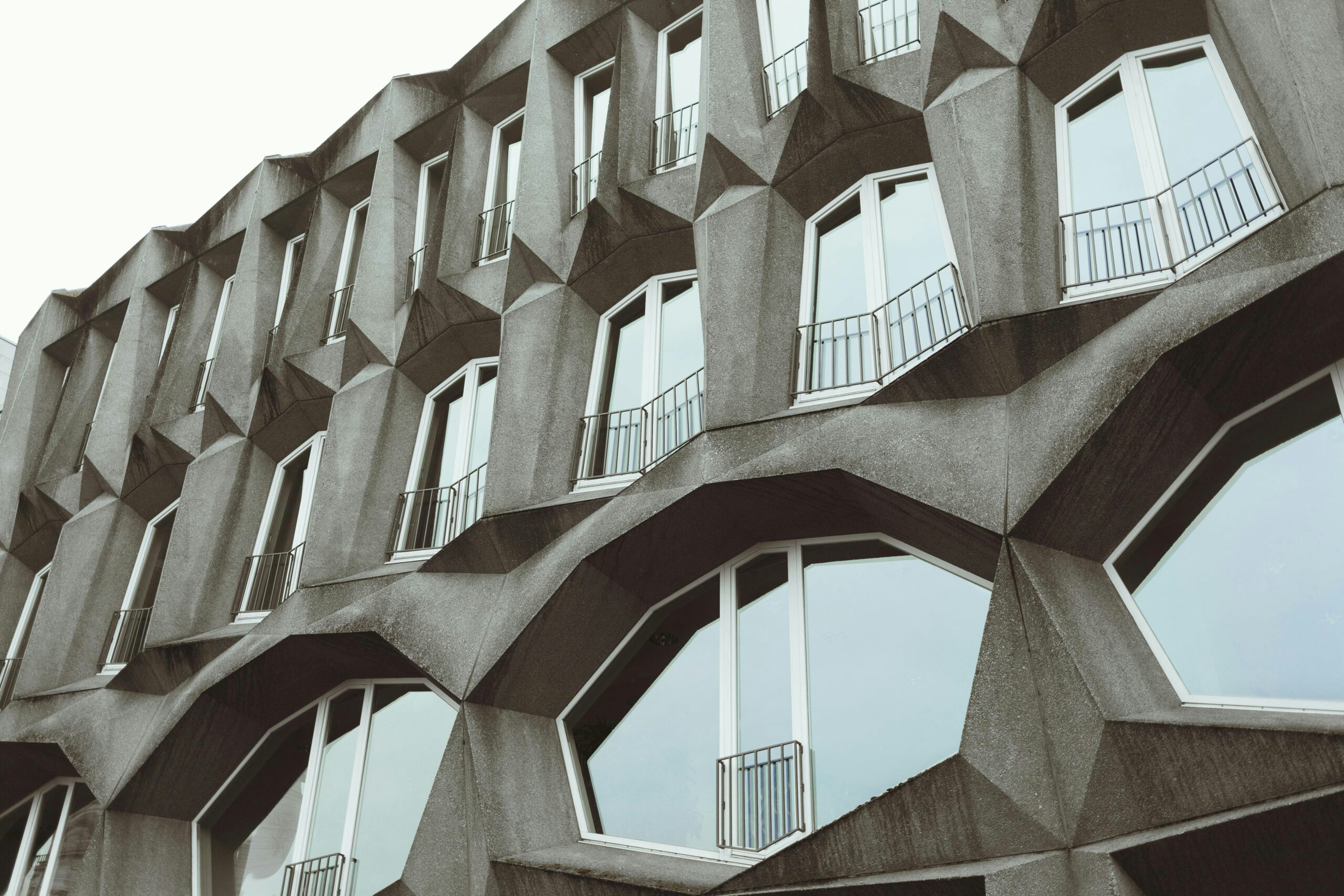
Cities are not silent. They speak through their streets, their structures, and their skylines. Every arch, alley, and façade reflects details about a place’s past, its priorities, and its people. That’s the power of architecture—it tells stories, and this article highlights how those stories shape how we experience the world around us.
Architecture as a Cultural Mirror
Walk through the heart of any city, and you’ll see echoes of its history woven into the walls. Gothic cathedrals, industrial warehouses, colonial facades, sleek glass towers—they all represent different moments in time, responding to social, political, or economic forces.
Architecture captures the character of a place. In older neighborhoods, buildings often carry emotional and cultural weight, preserving traditions and local narratives that might otherwise be forgotten. In newer developments, the materials, forms, and layout often speak to modern values—sustainability, innovation, or inclusivity.
Layers of Time in Urban Design
One of the most fascinating aspects of city architecture is how it reflects different eras in a single view. A historic stone church may sit next to a high-rise apartment block. A retro cinema might share a street with a minimalist coffee shop. These juxtapositions aren’t accidents—they’re part of a living timeline, showing how cities evolve and adapt over time.
Architectural storytelling brings these layers to life. By understanding the intention and influence behind different styles and structures, we gain a deeper appreciation for the places we inhabit.
If you’re interested in how design choices contribute to urban narratives, this resource on storytelling architecture offers a deeper dive into the subject—exploring how emotion, history, and functionality intersect in architectural design.
Spaces That Shape Us
Architecture isn’t just about what buildings say—it’s about how they make us feel. A grand city hall may evoke pride or formality. A cozy café tucked into a side street might feel comforting and familiar. These spaces influence our moods, our movements, and even how we connect with others.
In this way, architecture helps define a city’s personality. Some cities are bold and modern, others timeless and classic. These traits are often built—literally—into the bones of the place.
The Future of Architectural Storytelling
As cities face new challenges—from climate change to population growth—architecture continues to evolve. But the best modern design doesn’t just solve technical problems; it tells new stories. Stories of resilience, of innovation, of diverse communities coming together.
Architects are increasingly embracing this narrative approach, designing buildings that respond to the people who use them and the histories they inhabit. Whether it’s repurposing old industrial spaces into community centers or designing public housing with dignity and beauty in mind, architecture can—and should—reflect the stories we want our cities to tell.
The Last Word
Buildings are more than structures; they’re storytellers. They reveal who we were, who we are, and who we hope to become. By paying attention to the architecture around us, we start to see cities not just as places to live—but as living, breathing narratives.
So next time you walk through your neighborhood or visit a new city, take a moment to look up, look around, and listen. You might be surprised by what the walls are saying.

| [donate]
| Help keep news FREE for our readersSupporting your local community newspaper/online news outlet is crucial now more than ever. If you believe in independent journalism,then consider making a valuable contribution by making a one-time or monthly donation. We operate in rural areas where providing unbiased news can be challenging. |