












May sees the beginning of the blue-green algae season, and as some blooms are highly toxic, experts have warned dog owners to be extra vigilant.
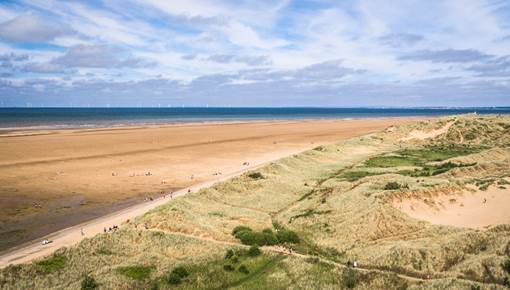
Most dog owners know the risks of saltwater ingestion, sharp objects, such as broken shells, and heatstroke to dogs, but there are some lesser-known beach dangers to be aware of, including blue-green algae.To help, the team at Dog Friendly Retreats has shared five things dog owners need to watch out for when heading to the beach at this time of year.
Blue-green algae
Be cautious of blue-green algae blooms, as some can be highly toxic to dogs, even if they just paddle through the water they’re in or lick their fur after swimming. They often look like greenish scum on the surface of the water or along shorelines but can also be invisible and are most prevalent in the UK in warmer weather conditions. Check for warning signs when you arrive at the beach before letting your dog take a dip, and keep them away from any water you suspect may contain blue-green algae.
Blue-green algae can be harmful to humans, other animals, and the environment. To help mitigate the risks, you can report any sightings to your local council’s environmental health department, the Environment Agency’s incident hotline, or via the UK Centre for Ecology and Hydrology’s Bloomin’ Algae app.
Dry drowning
Most dogs love splashing around in the sea, but not many owners know about the risk of dry drowning. This can happen when a dog inhales water, leading to breathing difficulties hours later. If your dog starts coughing, seems extra tired, or has trouble breathing after swimming, seek advice from your vet straight away. It’s a rare condition, but one to be aware of after a day at the coast.
Foxtails and other coastal grasses
While dunes and grassy areas can be fun to explore, they often hide sharp seed heads like foxtails. These barbed seeds can easily get stuck in your dog’s paws, ears, or even their nose, causing discomfort or infection. After your walk, give your dog a quick once-over, paying special attention to their paws and ears. Brushing them down can help remove any hitchhiking seeds before they cause a problem.
Leftover bait
Some beaches are popular with anglers, which can mean leftover bait such as fish, squid, or worms are left behind in the sand. These can be irresistible to dogs but could lead to upset stomachs or worse if the bait contains harmful preservatives or hooks. It’s a good idea to keep your dog close in these areas and teach them to “leave it” in case they sniff out something suspicious.
Beach tar/oil residue
Occasionally, patches of tar or oily residue wash up along the shoreline, particularly after storms. These can stick to your dog’s paws or coat and may cause irritation or illness if licked off later. If you spot any dark, sticky patches on the beach, steer clear. After your beach day, it’s worth wiping your dog down to remove any sand, salt, or residue they might have picked up.
Similarly to blue-green algae, you can report any sightings of tar or oil on UK beaches to your local council. Please find the full information here: https://www.dogfriendlyretreats.com/blog/five-lesser-known-dangers-at-the-beach-dog-owners-need-to-be-aware-of/.

| [donate]
| Help keep news FREE for our readersSupporting your local community newspaper/online news outlet is crucial now more than ever. If you believe in independent journalism,then consider making a valuable contribution by making a one-time or monthly donation. We operate in rural areas where providing unbiased news can be challenging. |