














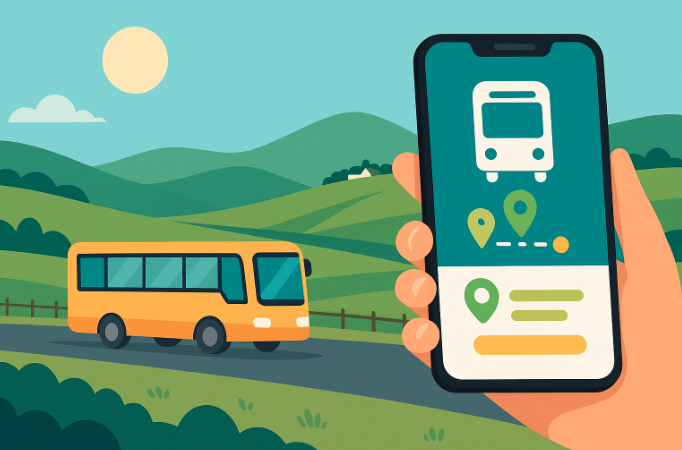

For many in West Wales, catching a bus isn’t just a chore—it’s a challenge.
From Llanelli to Cardigan, residents in rural towns face the daily reality of delayed services, infrequent routes, and limited digital tools to help navigate the public transport system. While the region moves toward modernization, rural connectivity still lags behind.
This article explores how West Wales is addressing long-standing transport issues in 2025—through council-led initiatives, smarter digital services, and support systems aimed at closing the rural-urban gap in mobility.
The Ongoing Struggle with Rural Connectivity
West Wales has a long history of underserved transport infrastructure. In communities such as Newcastle Emlyn, Tenby, and Llandovery, public transport options remain limited, often running on outdated schedules or skipping entire days due to driver shortages or funding cuts.
Many locals depend heavily on public transit—particularly those without access to private vehicles, including students, elderly residents, and low-income families. The lack of reliable service creates a ripple effect: missed appointments, school delays, and overall social isolation.
Efforts by local councils to improve rural transport aren’t new, but 2025 is shaping up to be a pivotal year thanks to multiple overlapping initiatives.
New Transport Initiatives for 2025
Several targeted programs are now being rolled out across Carmarthenshire and Pembrokeshire:
- Expanded Community Bus Services: Local services such as Bwcabus are being scaled with more flexible routes.
- School Transport Reform: Pilot programs have started offering shared transport for isolated rural students.
- Digital Integration: Timetables, booking, and route alerts are becoming accessible via mobile platforms.
These improvements mark a clear attempt by local government bodies to bridge the transport gap between rural and urban communities in Wales.
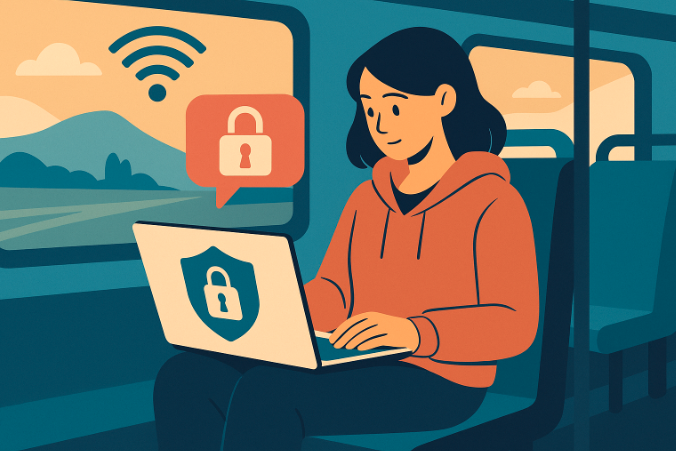
Staying Secure While Using a Free UK VPN on Public Transport
As public transport systems increasingly incorporate digital features—like QR code scanning, app-based route tracking, and SMS booking confirmations—commuters are more likely to connect to public Wi-Fi at stations, onboard buses, or at community hubs.
But with this digital convenience comes digital risk.
Public Wi-Fi, especially in rural areas where broadband infrastructure is weaker, can be a target for data interception or personal tracking. Whether you’re checking a bus schedule or logging into a travel app, an unsecured connection exposes users to privacy threats.
One practical way to stay protected is by using a free UK VPN to secure your connection. It encrypts your data, helps mask your activity, and keeps personal information safe—even on open transport networks. For commuters across West Wales, it’s a simple tool that adds privacy without complicating the travel experience.
The Digital Side of Modern Commuting
In towns like Haverfordwest and Lampeter, public transport now relies heavily on digital tools to function smoothly. Riders use transport apps to:
- Check live updates
- Book flexible journeys
- Receive cancellation alerts
Yet for many users in patchy-signal zones or on outdated phones, these tools still feel inaccessible or unreliable. Limited mobile signal in hilly terrain or broadband black spots adds to the frustration.
Local councils are working to improve this:
- Installing 4G boosters on transport hubs
- Offering downloadable offline timetables
- Launching simplified apps that use minimal data
Still, digital inclusion remains a major challenge. Many older residents, and those in lower-income brackets, aren’t fully equipped to engage with app-driven services.
What Locals Are Saying: Feedback & Frustrations
In a recent community forum held in Carmarthen, residents shared their firsthand experiences. One retiree noted:
“The bus routes have changed three times in the last year. I can’t keep up unless I call the council every week—or rely on my granddaughter to check the app for me.”
Another commuter from Ammanford commented:
“The bus is the only way I get to work. If it’s not running, I lose a day’s pay. Even just knowing if it’s delayed would help.”
It’s clear that while systems are improving, user accessibility and digital literacy need equal attention.
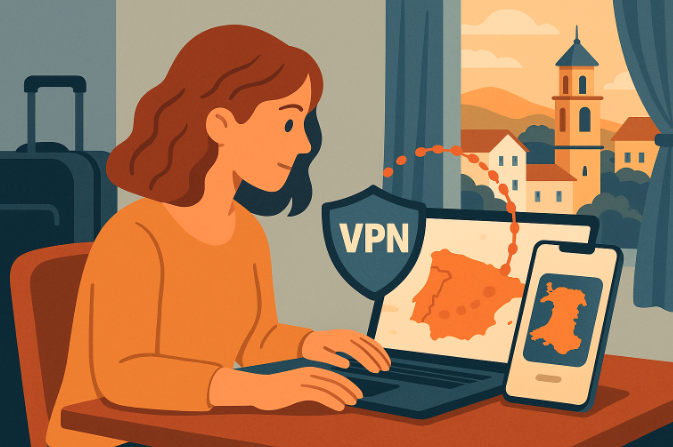
Why Choosing the Right VPN Server Matters for Remote Access
Here’s another issue commuters and digital service users run into—especially those who work remotely, travel abroad, or access Welsh apps from outside the UK.
Certain local travel services or apps may restrict content based on region or load more slowly outside the UK. For example, accessing a regional council’s transport alert system or booking tool from abroad (say, during a holiday in Spain) might result in errors or reduced functionality.
That’s where finding a reliable VPN server becomes essential.
By routing your internet traffic through a UK-based VPN server, users can:
- Access UK-exclusive travel services abroad
- Experience faster load times for local apps
- Avoid being blocked or geo-redirected
This isn’t just useful for travelers—some rural users even route through UK servers to bypass weak regional network routing. Choosing a well-positioned VPN server can significantly improve speed, access, and reliability when digital tools are essential for planning your travel day.
What More Needs to Be Done
While the Welsh Government has made strides, local advocates and community groups continue to push for deeper reform, including:
- Subsidized digital literacy programs for older residents
- Universal mobile coverage across national parks and rural zones
- Transparent bus route planning with community input
Groups like Transport for Wales and Digital Communities Wales are increasingly partnering to address these overlapping gaps between transport and digital equity.
Final Thoughts: A Connected Rural Wales
West Wales is finally seeing momentum in the battle for better rural transport, and the steps being taken in 2025 feel more permanent than in years past. But success will depend on more than just adding buses or updating apps. It will require continued investment in both physical and digital infrastructure—ensuring every commuter, regardless of location or tech literacy, has equal access to the services they need.
Whether you’re catching a ride to work or accessing bus info from your mobile abroad, tools like community routes and digital privacy solutions are shaping the rural travel experience of the future.

| [donate]
| Help keep news FREE for our readersSupporting your local community newspaper/online news outlet is crucial now more than ever. If you believe in independent journalism,then consider making a valuable contribution by making a one-time or monthly donation. We operate in rural areas where providing unbiased news can be challenging. |