















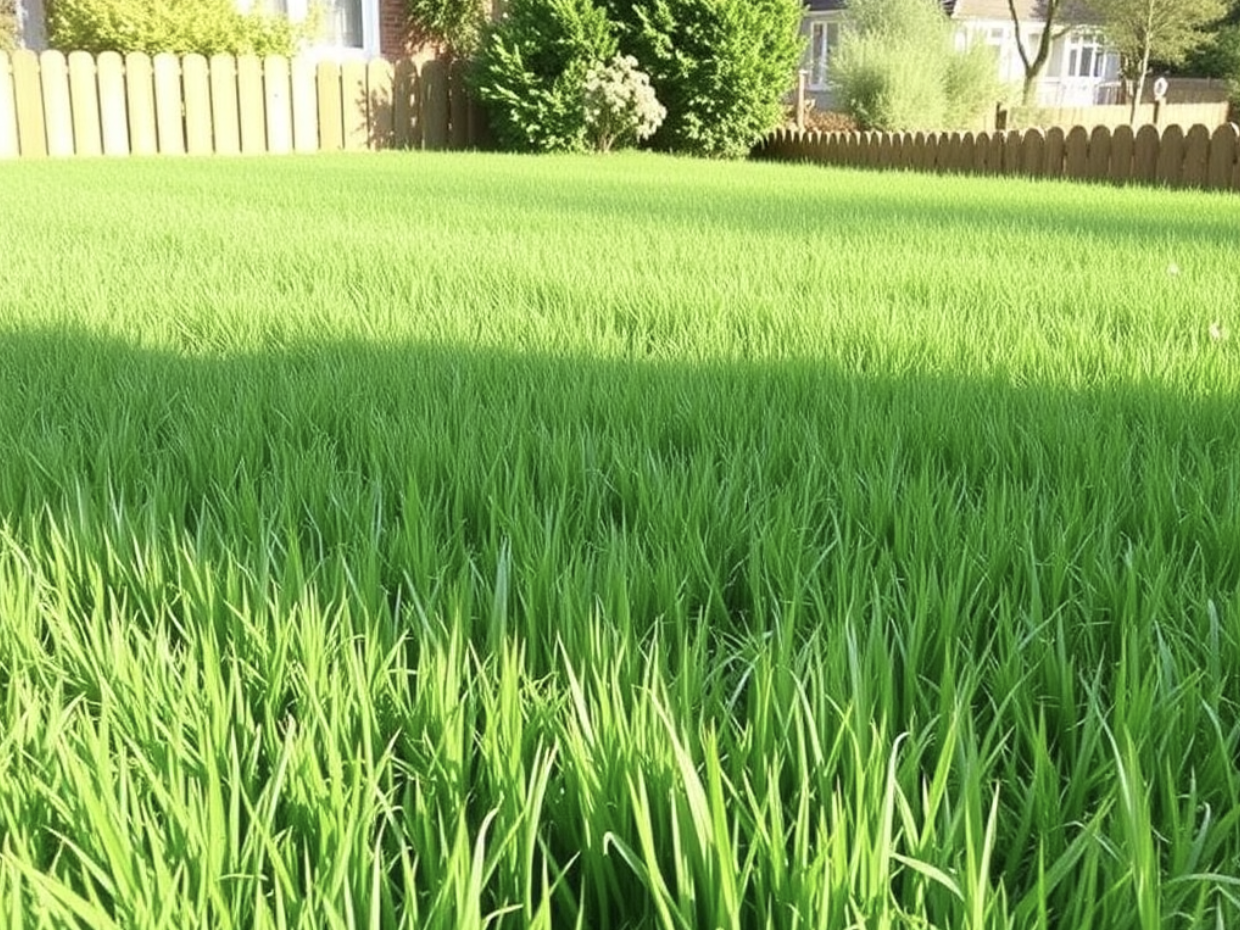

A healthy lawn isn’t just about regular mowing. Over time, layers of moss and dead grass can build up and start to smother the soil underneath. That’s where scarifying comes in. Done at the right time of year, it can make a big difference to how your lawn looks and grows.
Scarifying also ties in nicely with other seasonal lawn care jobs, like thickening up your lawn with quality grass seed. When timed right, the process creates the perfect conditions for new growth, helping your lawn stay healthy, dense and green.
What is Lawn Scarifying and Why Bother?
Scarifying is a way of clearing out thatch – the layer of dead grass, moss and debris that can build up on the surface of your lawn. It stops water and nutrients from getting down into the soil, and that can make your grass patchy or weak.
You can scarify by hand using a spring tine rake, or use a machine called a scarifier that makes the job quicker and more thorough. It might look a bit rough straight after, but removing thatch gives your grass space to breathe and bounce back stronger.
Best Time to Scarify Your Lawn in the UK
The ideal time to scarify depends on the weather and how established your lawn is. Generally, there are two good times in the UK: spring and autumn.
- Spring (March to May): A light scarifying session works well if your lawn needs a bit of a tidy-up after winter. Make sure the grass is actively growing so it can recover quickly.
- Autumn (late August to October): This is the better option for a deeper scarify, especially if your lawn has moss or thick thatch. The cooler temperatures and occasional rain help the lawn settle and regrow.
Avoid scarifying in winter when the grass is dormant, or during dry spells in summer when recovery will be slower.
How to Tell if Your Lawn Needs Scarifying
Not every lawn needs scarifying every year, but there are some signs to look out for:
- The grass feels spongy underfoot
- Water sits on the surface after rain
- You can see moss spreading
- The lawn looks tired, thin or patchy despite regular mowing and feeding
If you notice any of these, it’s probably time to get the rake or scarifier out.
Step-by-Step: How to Scarify Your Lawn
- Mow your lawn – Start by cutting the grass shorter than usual. This helps the scarifier reach the thatch more effectively.
- Use your scarifier – Go over the lawn in straight lines, and then again at a right angle. A powered scarifier makes this easier, especially on larger lawns.
- Clear up the debris – Rake up and remove all the material pulled out. You’ll be surprised how much comes up.
- Overseed if needed – If the lawn looks a little sparse afterwards, this is the perfect time to overseed with quality grass seed. It’ll help fill out any thin areas and speed up recovery.
- Water and rest – Water the lawn lightly and avoid walking on it too much for the next week or two. If the weather’s dry, water more often to help new growth settle in.
Spring or Autumn – Which is Better?
Both seasons have their place, but which one you choose depends on what your lawn needs.
- Spring is great for lighter scarifying and helps tidy up after a wet winter.
- Autumn is better for a more thorough job, especially if you’re tackling moss or thicker thatch. The cooler, damper weather helps with recovery.
For most lawns, a light scarify in spring followed by a deeper one in autumn is a good routine.
Mistakes to Avoid
- Scarifying too early or late in the year – Doing it when the grass isn’t growing makes it harder for the lawn to recover.
- Over-scarifying – Taking out too much thatch at once can leave your lawn looking worse before it gets better.
- Skipping aftercare – Always follow up with watering and, if needed, some new seed and feed. It makes a huge difference.
Scarifying might seem like a big job, but it’s one of the best things you can do to keep your lawn healthy. Tackle it at the right time, give your grass a bit of TLC afterwards, and you’ll be rewarded with a thicker, greener lawn that lasts through the seasons.

| [donate]
| Help keep news FREE for our readersSupporting your local community newspaper/online news outlet is crucial now more than ever. If you believe in independent journalism,then consider making a valuable contribution by making a one-time or monthly donation. We operate in rural areas where providing unbiased news can be challenging. |