















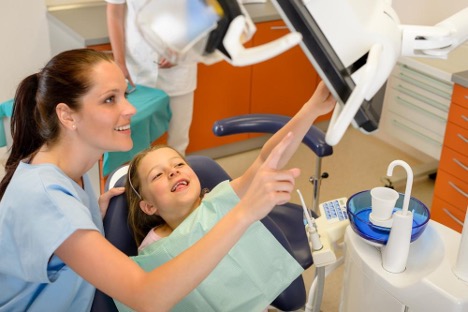

In recent years, the intersection of dental health challenges like tooth decay, the need for braces, and fear of dental visits have formed a formidable threat to children’s oral health. These issues not only affect the physical wellbeing of children but also their emotional and social growth. Understanding and addressing these concerns is crucial for fostering a healthier generation and building confidence in dealing with dental care.
Understanding Tooth Decay in Children
Tooth decay remains a prevalent issue among children in the United States, significantly impacting their quality of life. As reported by the American Academy of Pediatrics, nearly 45% of children are affected by cavities, which is a startling statistic that underscores the need for preventive measures. Left untreated, tooth decay can lead to pain, infections, and potential issues with eating and speaking.
The rise in childhood tooth decay can be attributed to various factors including poor dietary habits and inadequate oral hygiene practices. Sugary snacks and drinks are a significant contributor, as they create an acidic environment that facilitates enamel breakdown. This demonstrates a need for increased education on healthier snack alternatives and proper brushing techniques as part of everyday routines.
Addressing tooth decay effectively requires a multifaceted approach involving parents, healthcare providers, and educational systems. Regular dental check-ups are instrumental in early detection and prevention of cavities. Furthermore, reinforcing positive behavioral changes such as reducing sugar intake and improving oral care routines is essential in mitigating this widespread problem.
The Necessity of Braces for Children’s Dental Health
Braces are often seen as a rite of passage for children and teens, yet their importance extends far beyond aesthetics. Orthodontists often observe that approximately 45% of children require braces to correct underlying dental issues, ensuring proper bite alignment and function. This significant percentage highlights how common orthodontic interventions have become in maintaining long-term oral health for children.
Crooked or misaligned teeth can lead to more than just cosmetic concerns, potentially causing difficulties with eating, speaking, and maintaining clean teeth. Addressing these issues early on with braces can prevent more serious complications in adulthood. Moreover, having a straight and healthy smile can enhance a child’s self-esteem and social interactions.
The decision to start orthodontic treatment involves careful consideration of both health benefits and financial implications, as braces can be a substantial investment for families. Dental health businesses offer various payment plans to accommodate different financial needs, making orthodontic care more accessible. Ultimately, the long-lasting benefits of properly aligned teeth justify the initial costs associated with braces.
Overcoming Dental Fear in Children
Dental fear is another significant barrier to achieving optimal oral health in children, with many feeling anxious or frightened about visiting the dentist. A 2024 survey reported by Forbes revealed that 38% of participants admitted to having some level of dental fear, illustrating how widespread this issue is. This anxiety can deter individuals from seeking regular dental check-ups, exacerbating potential oral health problems.
Childhood dental anxiety can stem from various sources, including fear of pain, an unfamiliar environment, or previous negative experiences. Therefore, creating a child-friendly and educational approach within dental practices is vital. Engaging children in gentle explanations of dental procedures and incorporating comforting strategies can help diminish fears and establish trust.
Efforts to alleviate dental anxiety should also involve parents, emphasizing the importance of maintaining calm and supportive attitudes. Encouraging dental visits as positive experiences rather than intimidating tasks can reshape a child’s perception of oral care. As this approach becomes more integrated into dental practices, it promises to reduce fear, encourage more frequent check-ups, and ultimately support healthier dental habits.
The synergy of dealing with tooth decay, braces, and dental fear presents unique challenges to children’s oral health today. By recognizing these factors and implementing comprehensive strategies to tackle them, parents and dental professionals create a supportive environment for children. Such proactive efforts ensure that the younger generation can grow up with strong, healthy smiles and a positive outlook on dental health.

| [donate]
| Help keep news FREE for our readersSupporting your local community newspaper/online news outlet is crucial now more than ever. If you believe in independent journalism,then consider making a valuable contribution by making a one-time or monthly donation. We operate in rural areas where providing unbiased news can be challenging. |