














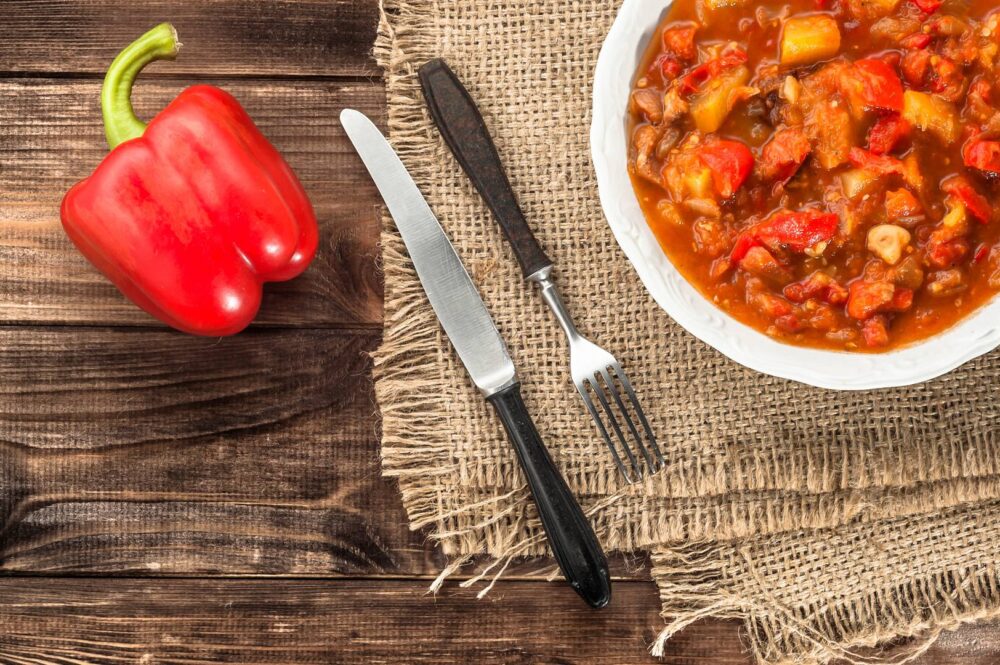

Hungarian cuisine doesn’t just feed the body, it nourishes the soul. With bold spices, hearty portions, and rustic textures, the food tells a story: of shepherds, grandmothers, festive tables, and a culture deeply tied to its land. A visit to a Hungarian restaurant offers more than a meal. It’s a flavorful journey through history — one spoonful at a time.
The Essence of Hungarian Flavour
Rich with peppers, garlic, sour cream, onions, and slow-cooked meats, Hungarian food is comforting and unpretentious. These dishes weren’t born in royal courts; they came from village kitchens, passed down through generations. That’s what makes them special: they feel like home, even to those tasting them for the first time.
For visitors unfamiliar with this cuisine, it’s a surprise; hearty and flavorful, yet crafted with care. It’s not fine dining in the traditional sense, but it’s fine food with deep roots and soul.
Traditional Hungarian Dishes
Here are the dishes that you are likely to encounter in any Hungarian restaurant.
Gulyás: The Shepherd’s Stew that Became a National Symbol
Originating from the Great Hungarian Plain, gulyás/goulash was once a practical meal cooked over open an fire by herders. A spicy soup of beef, paprika, potatoes, and vegetables, it walks the line between stew and broth. Today, it’s Hungary’s culinary ambassador, and the first taste many tourists seek.
Breaded Meats: Sunday Lunch, Hungarian Style
Inspired by Austrian schnitzel but embraced fully in Hungarian households, “rántott hús” (breaded pork or chicken) is golden, crispy, and tender. Often paired with mashed potatoes and pickles, it’s the taste of countless family gatherings. Many Hungarian restaurants in Budapest elevate it with artisan crumbs or creative sides, while keeping the nostalgic charm intact.
Chicken Paprikash: Creamy, Spicy, Authentic
One of Hungary’s most beloved dishes, chicken paprikash (paprikás csirke) combines tender chicken in a velvety paprika and sour cream sauce. Served with galuska (small dumplings), it’s simple, satisfying, and full of character. For many visitors, it becomes a favorite from the very first bite.
Stuffed Cabbage: Layers of Culture and Comfort
Known as “töltött káposzta”, this dish reflects Balkan, Slavic, and Transylvanian influences. Fermented cabbage leaves are filled with minced pork and rice, then simmered in a rich tomato or pepper sauce. Often served at Christmas or weddings, it’s a celebration dish — and a hearty one.
Hortobágyi Pancake: Hungary’s Culinary Illusion
Despite its name, the Hortobágyi palacsinta doesn’t come from Hortobágy. Created for the 1958 Brussels World Expo, this dish features savory crepes filled with meat, topped with a paprika-infused sour cream sauce. It looks like dessert — but surprises with its rich, savory core.
Lángos: Deep-Fried Street Food Happiness
A beloved street food, lángos is a deep-fried flatbread, traditionally topped with garlic, sour cream, and cheese. Crispy on the outside, soft inside, it’s wildly popular among locals and tourists alike. Some modern versions go gourmet with smoked salmon, goat cheese, or even sweet toppings.
Dobos Torte: A Cake with a Legacy
Invented in 1884 by József C. Dobos, the Dobos torta was revolutionary: sponge cake layered with chocolate buttercream and topped with crunchy caramel. Designed to last longer without refrigeration, it became a dessert icon across Europe. You’ll still find it in nearly every respectable Hungarian restaurant.
Why Visitors Fall in Love with Hungarian Cuisine
There’s nothing quite like Hungarian food elsewhere. The paprika-rich stews, smoky meats, creamy sauces, and fermented notes are bold, earthy, and unlike anything in Western or Mediterranean cuisines. These aren’t just dishes — they’re introductions to a way of life.
Visitors often remark on the warmth, not just of the food, but of the atmosphere, the service, and the homespun quality of even the most refined presentation. A great Hungarian restaurant offers a full-sensory experience, combining taste, texture, story, and soul.
When you dine on Hungarian food, you’re not just eating — you’re participating in a centuries-old tradition. You’re tasting how people lived, worked, and celebrated. You’re discovering flavours shaped by history, geography, and heartfelt hospitality.
In the end, that’s what makes it unforgettable. Because a bowl of gulyás or a slice of Dobos torta doesn’t just satisfy — it tells you something real about Hungary.

| [donate]
| Help keep news FREE for our readersSupporting your local community newspaper/online news outlet is crucial now more than ever. If you believe in independent journalism,then consider making a valuable contribution by making a one-time or monthly donation. We operate in rural areas where providing unbiased news can be challenging. |