















Balancing Nature and Home Safety
Wildlife can bring a sense of vitality and balance to any garden. Watching birds flit between branches or spotting hedgehogs on an evening stroll is a joy for many homeowners. A healthy mix of wildlife also supports pollination and natural pest control, helping gardens thrive. Yet, some animals can cause problems if they settle too close to human spaces. From gnawed wires to damaged plants, small disruptions can quickly become costly or inconvenient.
The goal of wildlife-friendly gardening is to create an environment where nature can flourish without compromising your home. Understanding the species that visit your garden and recognising when intervention is necessary allows you to enjoy the benefits of biodiversity while preventing avoidable issues.
Humane Approaches to Managing Problem Species
Occasionally, wildlife management becomes essential when animals damage property or disrupt other species. Acting with care and responsibility is crucial to maintaining ethical standards and supporting local ecosystems. For example, if grey squirrels repeatedly enter your loft or strip bark from young trees, a humane approach is best. Using a reliable grey squirrel trap allows you to safely capture the animal without causing injury.
Humane traps are only part of the solution. They should be paired with knowledge of animal behaviour, proper placement, and adherence to local regulations regarding release or relocation. This method ensures you handle conflicts effectively while still prioritising animal welfare. It’s a measured way to regain control of your property without unnecessary harm.
Encouraging Wildlife Responsibly
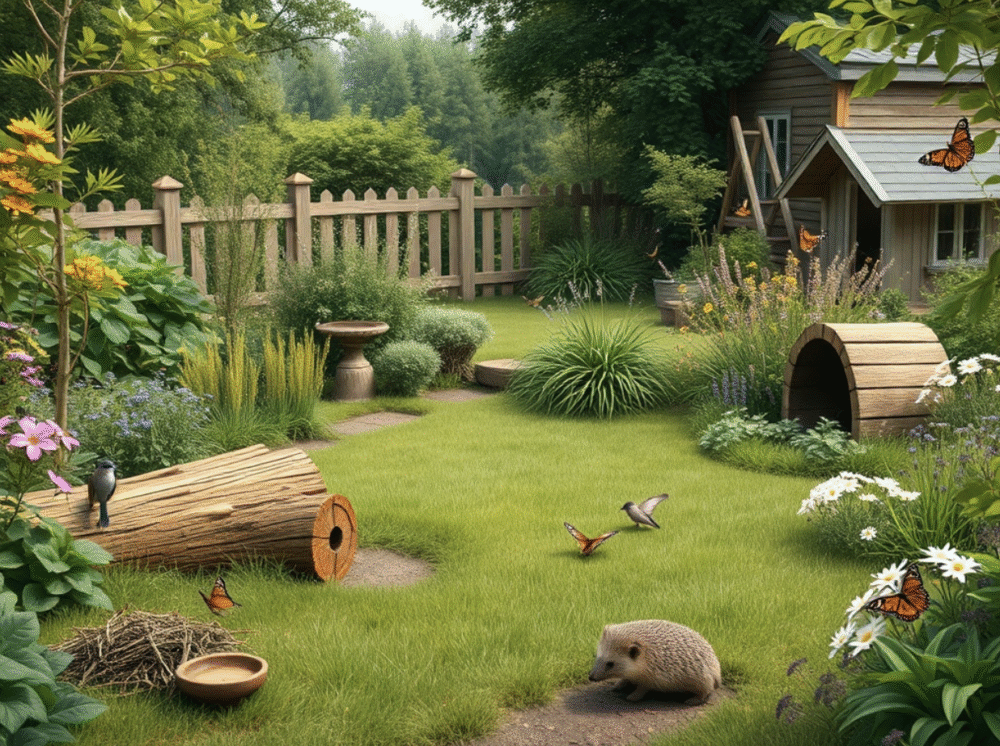
Creating a wildlife-friendly space means offering resources that support beneficial species without unintentionally inviting problems. Consider planting native shrubs, wildflowers and fruiting plants to provide natural food sources for pollinators and small birds. A water source, such as a bird bath or shallow pond, can also make your garden more inviting while promoting ecological balance.
Shelter is equally important. Small log piles, hedgerows, or bug hotels give creatures like hedgehogs, frogs, and insects safe places to rest or breed. These features enhance biodiversity and help your garden become part of the wider natural network in your area.
However, attracting wildlife responsibly also requires caution. Open bins, fallen fruit, and unprotected compost heaps can tempt animals that might cause damage. By keeping food sources secure and cleaning up after feeding birds, you create an environment that supports desired wildlife without encouraging pests.
Securing Your Garden from Potential Issues
Preventative measures are often the most effective form of wildlife management. Regularly inspect your home and outbuildings for gaps, broken tiles, or damaged vents that could be exploited as nesting spots. Even small openings can become access points for determined animals, so sealing these areas is a simple but valuable step.
Non-invasive deterrents can reinforce these defences. Motion-activated sprinklers, reflective objects, or natural repellents encourage unwanted visitors to move on. Combining prevention, monitoring, and humane intervention ensures that wildlife can be enjoyed without compromising your property.
Building a Sustainable Relationship with Local Wildlife
A successful wildlife-friendly garden is one that strikes a healthy balance. By supporting biodiversity, removing avoidable attractants, and addressing conflicts humanely, you can maintain an outdoor space that benefits both you and local animals.
This approach isn’t about eliminating wildlife but about managing interactions thoughtfully. When your property is secure and your garden is designed with care, you can enjoy the presence of nature without stress. A sustainable balance allows your home and the surrounding ecosystem to coexist in harmony.

| [donate]
| Help keep news FREE for our readersSupporting your local community newspaper/online news outlet is crucial now more than ever. If you believe in independent journalism,then consider making a valuable contribution by making a one-time or monthly donation. We operate in rural areas where providing unbiased news can be challenging. |