














As a parent, are you always looking for ways to entertain your children over the school holidays? Why not get them outside in the garden, unleash some creativity and help them develop a connection with the natural world this summer? The team at British Garden Centres has gathered a selection of simple and fun upcycled plant container ideas that children can enjoy during their time off school, complete with practical tips to make the experience both easy and engaging, whilst getting their hands dirty.
Plastic bottle planters: All you need for this are empty plastic drinks bottles, some scissors, markers or paint, and a bit of creativity. Give the bottle a good rinse and then carefully cut it in half, as the bottom makes a perfect container for soil and seedlings. Children can channel their inner Picasso by painting their bottle planters, personalising them with faces, animals, or any designs they love. To help plants thrive, poke a few small holes in the base of the bottle for drainage. For added fun, you can create a self-watering planter by placing the top half of the bottle, inverted like a funnel, inside the bottom half. Thread a strip of fabric or string through the neck into some water, which will slowly wick moisture to the plant as it needs it.
Tin cans: A supermarket staple, these can easily be turned into upcycled plant pots .After cleaning the cans, make a few drainage holes in the base using a hammer and nail (adults should do this part to ensure safety and remove any sharp edges). Once the cans are prepped, children can paint them with bright colours or patterns and write on the names of their favourite plants or herbs. Fill these colourful creations with soil and seeds, then place them on a sunny windowsill to watch the plants flourish.
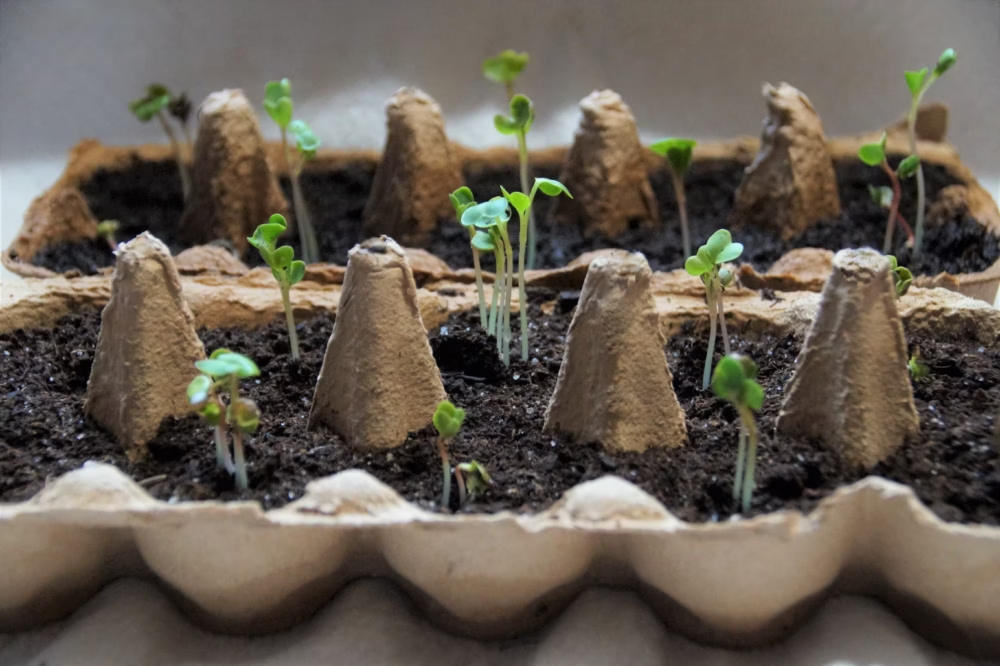
Egg boxes: For a biodegradable option, cardboard egg boxes work brilliantly as seed starters, which kids will love planting in. Simply remove the lid of the egg box, leaving the base with the individual cups intact. Kids can have plenty of fun decorating each cup with paints or markers before filling them with soil and seeds like cress, beans, or sunflowers. Once the seedlings have grown well enough, you can gently cut the cups apart and plant them straight into the garden, confident that the cardboard will naturally break down over time.
Shoes and boots: Whether it be trainers, boots or wellies, these can be transformed into unique and quirky garden planters. After cleaning them out and adding drainage holes in the soles, fill the shoes with soil and plant cheerful flowers or leafy greens. Children can then personalise their shoe planters by painting them with waterproof paint, applying stickers, or threading colourful laces. Why not use a variety of shoe sizes to create a fun “family” garden display that adds character to any outdoor space?
Teacups and mugs: If you have any old cups, why not upcycle them into colourful, decorative planters? Adding a few small stones to the bottom improves drainage before filling with soil and planting small succulents or other petite plants to create a cute container. Children enjoy personalising the cups with ceramic markers, writing their names or drawing cute designs. These miniature planters then make thoughtful gifts for family members or teachers and look fab when placed on a sunny windowsill.
Toys: If you have old toy trucks, diggers, buckets or doll prams, these can be repurposed into playful mini gardens. After a thorough clean, fill the toy vehicles with soil and plant herbs, succulents, or bedding plants. Kids can add miniature figures or fairy garden decorations to make their creations even more imaginative. And when not being used as planters, these toys can continue to feature in outdoor play, blending creativity with nature learning.
Newspaper pots: Tear strips of old newspaper and, using a small glass or jar as a mould, roll the paper around it, allowing some overhang at the bottom. Fold this excess inwards to form a base, press it flat, and then carefully slide the pot off the mould. Fill with soil and seeds or seedlings and these pots can be planted directly into the garden once the plants are ready. The newspaper will safely decompose in the soil, teaching children about both recycling and gardening in one simple activity.
LEGO bricks: Construct a mini planter by building a small open box with or without a base (you can create drainage holes if needed) and line the inside with baking parchment for easier planting. Add a small amount of soil and pop in a succulent or tiny plant. The beauty of LEGO planters is that children can customise and redesign them endlessly, stacking or reshaping their planters for fresh new looks. This project encourages fine motor skills, engineering creativity and is perfect for brightening up desks or windowsills in children’s rooms.
Julian Palphramand, Head of Plants at British Garden Centres, said:“Whichever project you choose, upcycling plant containers during the school holidays is a wonderful way to engage children with the garden, develop practical skills, and grow their confidence outdoors.”
British Garden Centres (BGC) is the UK’s largest family-owned garden centre group with 73 centres around the country. The group is owned and led by the Stubbs family, who also own and operate Woodthorpe Leisure Park in Lincolnshire.
BGC was launched in 1990 with the opening of Woodthorpe Garden Centre by brothers Charles and Robert Stubbs. Since 2018, it has expanded rapidly with the acquisition of 50 garden centres, allowing it to grow from its heartland to the business it is now, with 73 garden centres spread from Carmarthen to Ramsgate, Wimborne to East Durham.
The group has a team of 3000 colleagues working across the garden centres, restaurants, growing nurseries, distribution centres, Woodthorpe Leisure Park, and Woody’s Restaurant & Bar.

| [donate]
| Help keep news FREE for our readersSupporting your local community newspaper/online news outlet is crucial now more than ever. If you believe in independent journalism,then consider making a valuable contribution by making a one-time or monthly donation. We operate in rural areas where providing unbiased news can be challenging. |