















- As Storm Erin hits the US, the effects of the tropical storm are set to make its way across the UK with intense winds and heavy rain expected towards the end August
- Mike Thompson, Chief Operating Officer at Leasing Options is urging UK drivers to make necessary checks in advance, including a protective measure that can be picked up for as little as £20
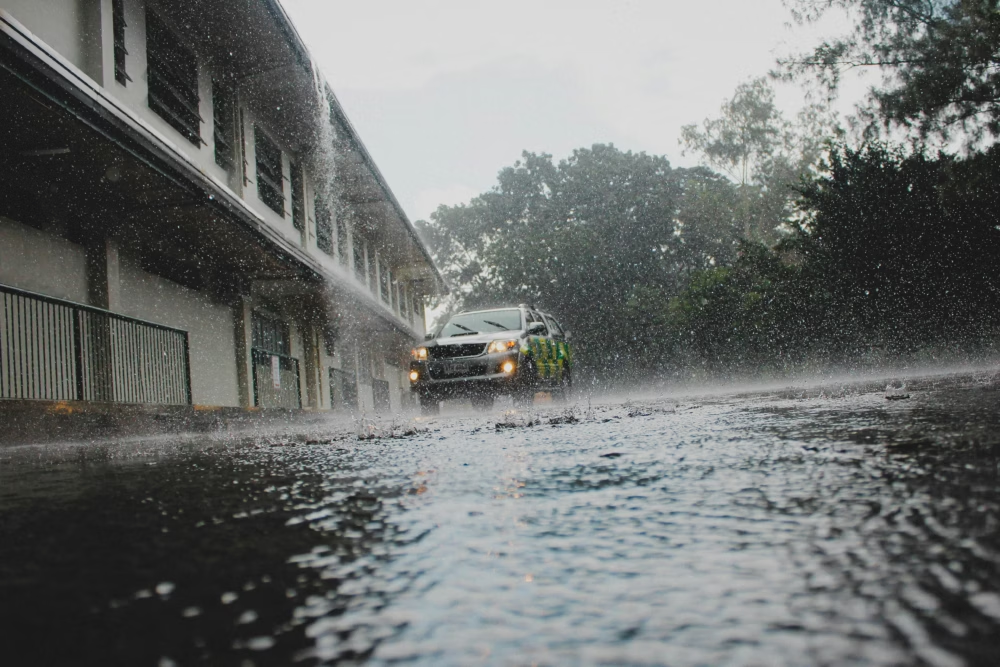
The UK has had its fair share of extreme weather this summer, and following the heatwave last week, torrential rain and heavy wind could be set to hit the nation next week, according to weather experts.
With this in mind, Mike Thompson, Chief Operating Officer (COO) of Leasing Options is urging motorists across the UK to take extra precautions in advance, which could save them on insurance premiums.
Commenting on the risks on vehicles during extreme weather Mike said:
“Extreme weather conditions can cause serious damage to your car if the correct precautions aren’t taken. In the last week, we’ve gone from extreme heat to warnings of Storm Erin, which is set to hit the UK. From a safety perspective, drivers need to be extra cautious with stopping distances, with the Highway Code recommending a four-second gap in wet conditions. Rain can also seriously impede visibility, so it’s important to ensure your windscreen wipers are in good condition before setting off. Finally, strong winds can make it harder to control the vehicle, especially on motorways near passing lorries. I would urge drivers to avoid making any journeys during the worst of the storm unless it’s necessary.
Below Mike shares five tips on prepping your vehicle ahead of next week’s stormy weather:
- Keep your vehicle covered
“If your household has access to a garage or undercover, make sure to park your car under this, which will weather it against any harsh storms and will reduce the risk of debris hitting your car. Alternatively, if this isn’t available, you can aim to use a car cover or tarpaulin, which will help prevent scratches. You can get a car cover in various sizes from as little as £20.”
“It’s also recommended that you park your car in a more sheltered area, avoiding parking under power lines, trees, and other unstable structures such as scaffolding. For extra security during high winds, weigh down tarps with sandbags or heavy objects to prevent them from blowing away.”
- Check for balding tyres
“Having a vehicle that runs well and is road safe is obviously important all year round; however, heavy rain can make driving more dangerous, so it’s important to be well-prepped for the rainy season. Firstly, your tyres are some of the most important parts to keep in check due to their role in stopping distance. Your car’s tyres should last for on average at least 25,000 miles, which is about two to three years of driving. Tyre pressure is also important to check weekly, especially in cold or wet weather. A quick way to check tyre tread is to use a coin; if the tread is shallow, it’s time to replace the tyre.”
- Get an emergency car kit sorted
“In my opinion, you should always have an emergency car kit sorted when driving throughout the year, as it’s always best to prepare for the worst-case scenario. Breakdowns are never seasonal unfortunately, but with a higher risk during rainy weather, it’s doubly important.”
“Some things I would suggest keeping within your toolkit include personal items such as extra clothing and blankets to keep you warm, and a phone charger in case you are stuck for a prolonged period. Foods such as biscuits can help get your blood sugar up too. Car maintenance tools such as jump cables, a tyre jack, and extra petrol are also important. Additionally, reflective triangles or LED flares and a waterproof bag for important documents can be lifesavers in bad weather.”
- Protect your windows and wipers
“To keep your vehicle storm-ready, make sure your wind screen wipers are in good condition—they should be replaced at least once a year or if they leave streaks. Heavy rain and debris can scratch or damage windshields if wipers are worn. Also, check for any small chips in your glass and repair them before a storm. Heavy rain, hail, or flying debris can make cracks spread quickly, so proactive maintenance can save you from expensive replacements.”
- Secure windshields and loose parts
“Strong winds can cause damage to your vehicle, especially to loose parts and unsecured items. Make sure your windshield and rear windows are properly sealed and that any sunroofs are tightly closed. Remove or secure roof racks, antennas, or other loose accessories that could be torn off during a storm. Even small debris carried by wind can chip or crack glass, so a fully secured car reduces the risk of damage.”
To view more information on car leasing and vehicle safety, please visit: https://www.leasingoptions.co.uk/news

| [donate]
| Help keep news FREE for our readersSupporting your local community newspaper/online news outlet is crucial now more than ever. If you believe in independent journalism,then consider making a valuable contribution by making a one-time or monthly donation. We operate in rural areas where providing unbiased news can be challenging. |