
















Gardeners are being encouraged to embrace certain weeds which can actually benefit wildlife and boost biodiversity in their outdoor spaces.
Experts at GardeningExpress.co.uk have named five common garden weeds that can provide food and shelter for bees, insects and birds. Many gardeners view weeds as a nuisance and rush to pull them out or use harsh weed killers to keep the garden tidy. However, some of them can actually be very beneficial to the local wildlife and letting a few grow in a garden corner, while keeping them under control, can help green-fingered Brits create a mini haven for nature. For example, a patch of dandelions can supply nectar and seeds for birds and insects, while nettles offer shelter for insects as they prepare to overwinter.
Chris Bonnett, the founder of GardeningExpress.co.uk said: “Weeds don’t always have to be bad news – some of them can actually be very valuable for your local wildlife. Weeds like nettles and thistles might not look glamorous, but they provide food and shelter for insects and birds.You don’t have to let your garden become overrun, but if you’ve got space, leaving a patch of weeds to grow can make a huge difference to the biodiversity in your garden.”
Here are five common weeds that are beneficial to wildlife:
1. Dandelions
While dandelions are best known for providing early spring nectar, they’re still useful later in the year. Their fluffy seed heads are a valuable food source for birds such as goldfinches and sparrows. Leaving a few to go to seed in autumn can help sustain wildlife as natural food sources begin to dwindle.
2. Nettles
Nettles support butterflies like the red admiral and small tortoiseshell. When temperatures start to drop, nettle patches also provide shelter for insects preparing to overwinter.
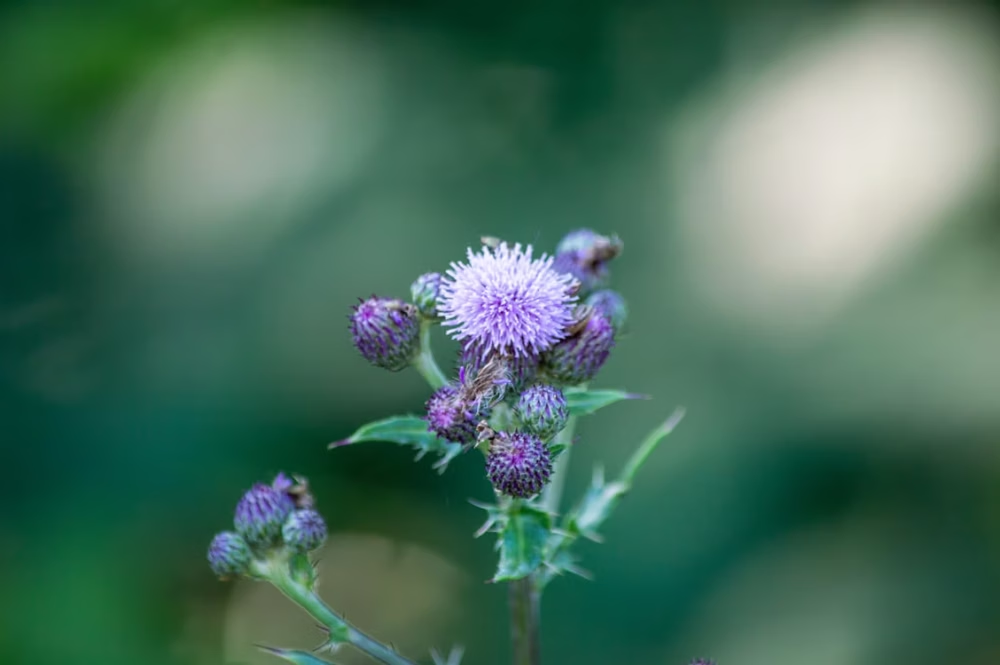
3. Thistles
Thistles also support a range of pollinators earlier in the season. As their flowering season comes to an end and their seed heads are ripening, they also offer a feast for flocks of goldfinches and other birds.
4. Broadleaf plantain
This common, hardy weed thrives in borders and paving cracks. Its broad leaves provide food for small mammals like rabbits, as well as insects such as bees, hoverflies and certain caterpillars. The dense rosettes also offer shelter for insects and other small creatures, making it a valuable plant for biodiversity
5. Dock
Dock’s large, broad leaves create sheltered microhabitats and their leaves are a vital food source for the larvae of insects like the green dock beetle. In late summer and early autumn, its seeds provide a reliable food source for seed-eating birds.

| [donate]
| Help keep news FREE for our readersSupporting your local community newspaper/online news outlet is crucial now more than ever. If you believe in independent journalism,then consider making a valuable contribution by making a one-time or monthly donation. We operate in rural areas where providing unbiased news can be challenging. |