













Pests are part of gardening; they always have been. But there’s a lot you can do to keep them under control without anything that harms your plants, your soil, or the insects you actually want around. As part of its ‘Make it Bloom’ campaign, British Garden Centres is sharing expert advice on tackling the most common garden pests without reaching for the chemicals.
Aphids: Aphids tend to appear on soft new growth in spring and early summer, and they multiply fast. The good news is that they’re easy to deal with early. Knock them off with a strong jet of water or wipe stems down by hand. If you want something more targeted, a diluted soap spray does the job without leaving any harmful residue.
Better still, let nature do the work by planting fennel, dill, or marigolds nearby to draw in hoverflies and lacewings, which are aphid predators. Once you’ve got the right insects visiting, aphid problems tend to manage themselves.
Box Tree caterpillars: If you have buxus in your garden, check it regularly from early spring, as these caterpillars can cause serious damage quickly. Look for webbing inside the plant and small pale green larvae, then remove affected growth by hand (gloves on) and bin it rather than composting. Neem oil spray is a good natural deterrent and safe to use on the plant itself. For longer-term help, get birds into your garden like blue tits and great tits, which will actively feed on box tree caterpillars. Installing a feeder nearby makes your garden a more attractive stop-off and will rid you of these bugs.
Lily beetles: Bright red, shiny, and destructive, lily beetles are hard to miss. They tend to drop to the ground when disturbed, so hold something beneath the stem as you pick them off. Check the underside of leaves too, where the larvae hide. A spray made from chilli or garlic steeped in water overnight works well as a deterrent. Strain it first, then apply directly to the foliage. It won’t kill the beetles, but it makes the leaves a lot less appealing, and your lilies will be saved.
Mealybugs: More common on greenhouse plants or houseplants moved outside for summer, mealybugs leave a distinctive white waxy coating. Spot one, and your first job is to move that plant away from everything else.
For small infestations, a cotton swab dipped in diluted isopropyl alcohol applied directly to the affected areas works well. Good airflow and not overwatering will make your plants far less susceptible in the first place.
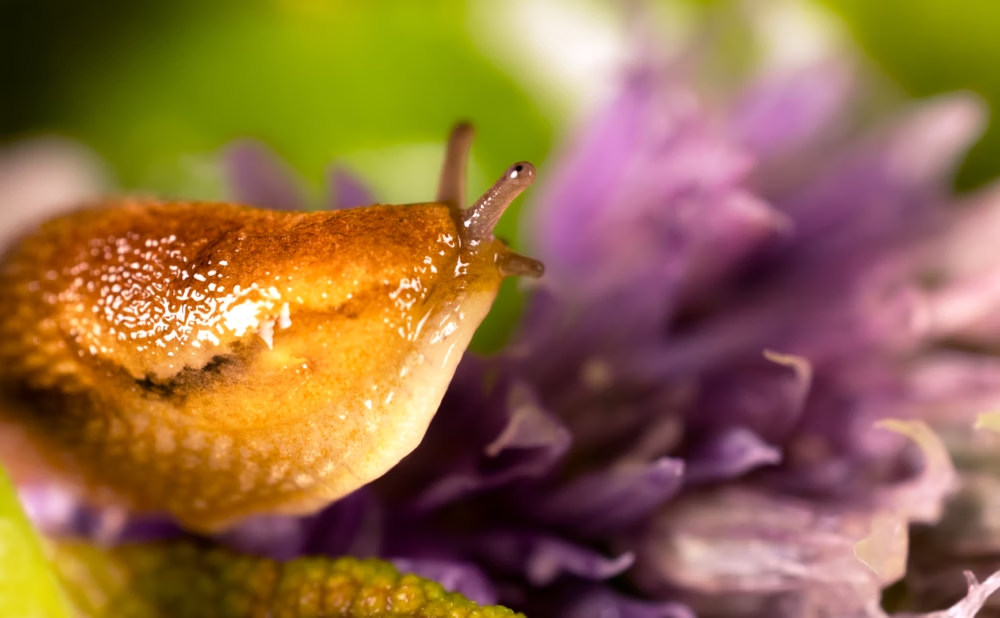
Slugs and snails: There’s no getting rid of slugs entirely, but you can make life harder for them, so they don’t nibble your precious plants. Wool pellets scattered around vulnerable plants create a surface they don’t like crossing, and they break down into the soil over time, which is a bonus. Crushed grit or sharp sand works on the same principle.
If you want a proactive approach, a shallow dish of beer sunk into the ground near your beds is a simple, effective trap. And if you can get hedgehogs into your garden through a small gap in the fence or a hedgehog house in a quiet corner, they’ll do a lot of the work for you overnight and rid your garden of these slimy foes.
Fungus gnats:These are tiny flies that hover around the surface of soil, usually on houseplants or in the greenhouse. The adults are mostly harmless, but their larvae feed on roots and organic matter in the soil, which can weaken young plants and seedlings over time. The most effective fix is to let the top few centimetres of compost dry out between waterings. Fungus gnats thrive in consistently damp soil, so cutting back on watering quickly disrupts their life cycle. Laying a thin layer of horticultural grit on the soil surface also deters females from laying eggs. For persistent problems, sticky yellow traps placed near the plants will catch adults and stop these little flies from buzzing around.
Vine weevils: The first sign of weevils is usually scalloped notches around leaf edges, which is the adult feeding at night. The real damage, though, is underground, where the larvae eat roots. By the time a plant starts to collapse, they’ve usually been at work for weeks. Go out after dark with a torch and pick adults off by hand. For pot-grown plants, repot entirely and check the root ball for small cream-coloured grubs. Pathogenic nematodes, which are available in your local British Garden Centre, are one of the most effective treatments for larvae when watered into moist soil in late summer.
Julian Palphramand, Head of Plants at British Garden Centres , said: “Pests catch people out because by the time you notice them, they’ve often been there a while. The best thing you can do is check your plants regularly and act early, as most of these problems are very manageable if you catch them at the start. And there’s almost always a natural way to deal with them that won’t cause any knock-on damage to the rest of your garden.”

| [donate]
| Help keep news FREE for our readersSupporting your local community newspaper/online news outlet is crucial now more than ever. If you believe in independent journalism,then consider making a valuable contribution by making a one-time or monthly donation. We operate in rural areas where providing unbiased news can be challenging. |