















In an era where public transportation plays a vital role in reducing traffic congestion and promoting sustainable mobility, bus stop shelters are a key component in ensuring passengers’ comfort and safety. Designed to provide protection from the elements, these shelters offer more than just a place to wait for a bus; they enhance the overall public transport experience. In this blog, we’ll explore why durable and reliable bus stop shelters are essential and how they contribute to creating a safer, more comfortable environment for commuters.
1. Importance of Shelter in Public Transportation
Commuters often face the challenges of weather conditions while waiting for public transport. Whether it’s rain, snow, extreme heat, or cold winds, having a proper shelter can make a significant difference in the comfort and well-being of passengers. Bus stop shelters shield individuals from these elements, ensuring that their waiting time is not only safer but also more pleasant. A well-designed shelter not only protects from adverse weather but also creates a more welcoming environment that encourages the use of public transportation. For high-quality and durable bus stop shelter solutions, Shelter Solutions offers a range of reliable products designed to protect passengers from the elements, ensuring safety and comfort in all weather conditions.
2. Durability for Long-Term Protection
The durability of a bus stop shelter is crucial, as it needs to withstand harsh weather conditions over an extended period. These structures are exposed to frequent wear and tear due to factors like strong winds, heavy rainfall, or freezing temperatures. High-quality materials such as galvanised steel, reinforced glass, and weather-resistant coatings help ensure that the shelter remains strong, functional, and aesthetically appealing throughout its lifespan. Investing in durable bus stop shelters means fewer repairs and replacements, ultimately saving costs in the long term while enhancing reliability for passengers.
3. Weather Resistance and Comfort
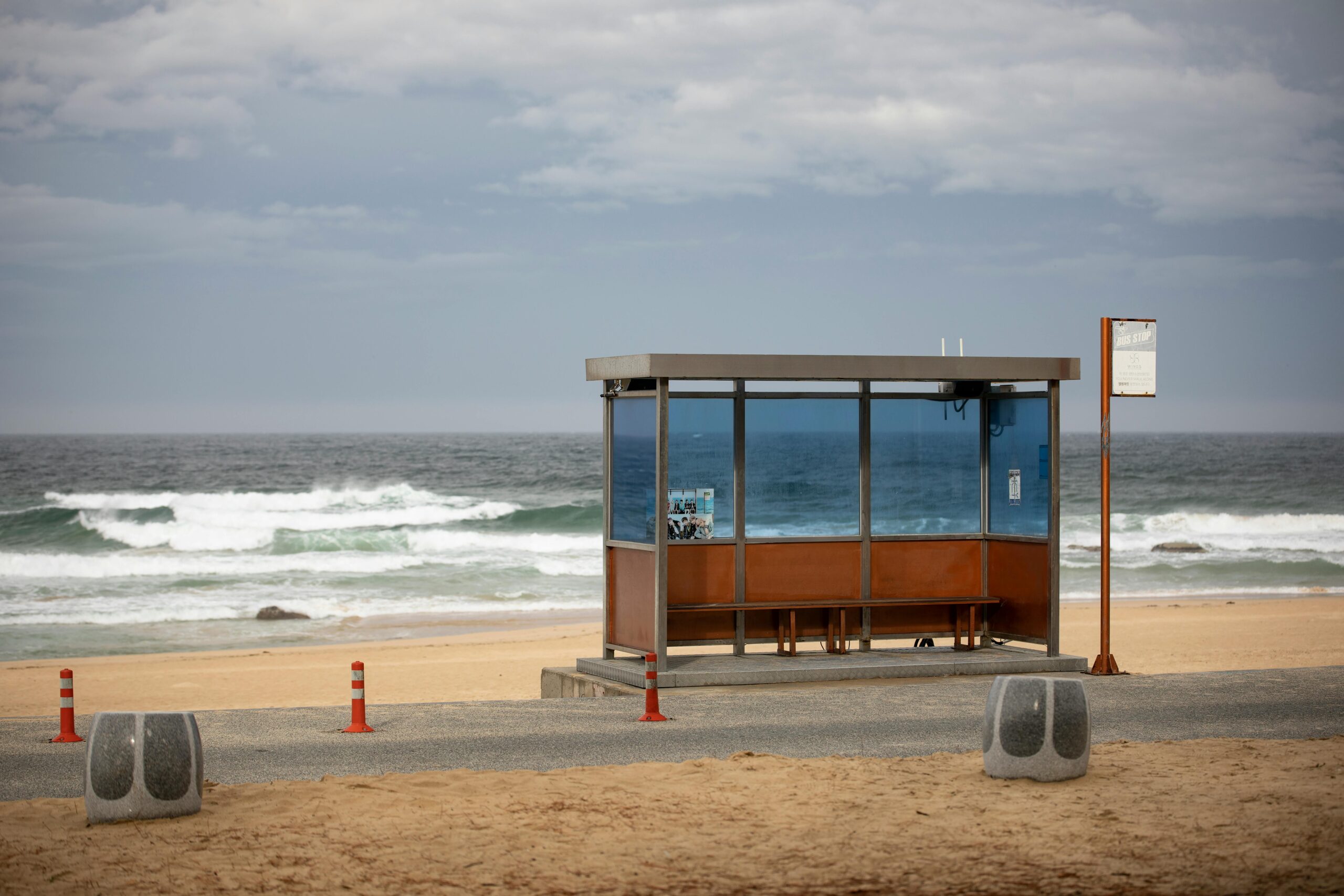
Weather-resistant materials are essential for making bus stop shelters effective at providing comfort to commuters. Shelters built with clear polycarbonate panels, for instance, are not only sturdy but also allow natural light to filter through, preventing the shelter from becoming dark or oppressive during winter months. Additionally, roofs with weatherproof coatings and sidewalls that block wind are important for protecting passengers from the elements, ensuring they stay dry in the rain and shielded from wind chill in the winter. Offering shelter from the sun’s heat during the summer months can also make waiting for a bus more comfortable, promoting the use of public transport year-round.
4. Safety and Security Considerations
Beyond protection from the elements, safety is a significant concern for bus stop shelter design. A well-lit and secure shelter can deter vandalism and reduce the risk of accidents. Incorporating features like sturdy seating, anti-slip floors, and clear visibility from all directions is important for creating a safe waiting environment. Additionally, shelters with integrated security cameras or lighting systems can improve safety during nighttime hours. These measures help make passengers feel secure while waiting and ensure the shelters remain in good condition for extended periods.
5. Aesthetic Design and Community Appeal
While functionality and durability are the primary considerations for bus stop shelters, their design also plays a role in shaping the local environment. Modern shelters come in a wide range of designs, from sleek, minimalist styles to more decorative, community-focused structures. By incorporating elements that blend in with the surrounding area, such as green spaces or art installations, bus stop shelters can enhance the overall look of the neighbourhood. Aesthetic appeal can encourage more people to use public transportation, which, in turn, supports environmental sustainability by reducing reliance on cars.
6. Cost-Effectiveness and Long-Term Benefits
Investing in high-quality, durable bus stop shelters may require a larger initial investment, but the long-term benefits far outweigh the cost. Reliable shelters reduce maintenance needs, as they are built to withstand the elements and resist damage. Additionally, shelters that are properly designed and built to last can increase public satisfaction with the transit system, encouraging more people to opt for public transport, thus reducing congestion and pollution. In the end, bus stop shelters are not just an investment in infrastructure, but in the community’s well-being and the environment.
Conclusion
Durable and reliable bus stop shelters are an essential part of any effective public transportation system. They provide protection from the weather, improve safety, and enhance the overall experience for passengers. By choosing shelters made from high-quality, weather-resistant materials and ensuring they are well-designed and secure, cities and transit authorities can offer commuters a comfortable, welcoming environment while encouraging the use of public transportation. Investing in these shelters not only helps people stay safe and protected but also contributes to a greener, more sustainable future.

| [donate]
| Help keep news FREE for our readersSupporting your local community newspaper/online news outlet is crucial now more than ever. If you believe in independent journalism,then consider making a valuable contribution by making a one-time or monthly donation. We operate in rural areas where providing unbiased news can be challenging. |