

















-
A new survey by Barker and Stonehouse shows that garden furniture is one of the most unloved pieces of furniture in our homes
-
Lena Gierasinska, Head of Product and Displays at Barker and Stonehouse shares her key furniture care guidance
-
Just under two thirds of Brits have never replaced their garden furniture
The furniture in our homes, from our dining tables to our wardrobes and chairs, is more than just functional, it reflects how we care for our living spaces. However, a new survey by Barker and Stonehouse reveals that nearly a third of Brits (29%) wait until furniture is damaged before replacing it, and shockingly, many Brits admit to having never replaced heavily used items of furniture in their homes.
The research highlights the most overlooked household items and how this can be affecting our day to day lives – so to help homeowners protect their furniture and create a stress-free, harmonious home, Lena Gierasinska, Head of Product and Displays, shares her expert tips on furniture care and maintenance.
When do people update their furniture?
Almost a third (29%) of respondents admitted they only replace furniture once it shows signs of damage or reaches the end of its life, often waiting until it’s on the brink of breaking.
Proactive furniture care and understanding signs of damage can save homeowners sticky situations if pieces break unexpectedly – nobody wants a chair collapsing during a dinner party with friends or family!
Meanwhile, 15% of people cited discomfort as their main reason for updating their furniture, underlining how poorly designed or worn-out pieces can disrupt the harmony of a room and even impact physical health. Despite this, over a third (35%) of Brits admit to having never replaced their mattress, with a further 69% having never replaced their office chair.
Lena explains: “It is important to be mindful of our posture when sitting. However, the correct chair, seat or sofa is vital to support our backs and necks, whether that be whilst we work from home at a desk, at the dinner table, or sat watching TV. Ensure that seating has a strong and supportive back and incorporate cushions for adjustable support if needed.”
Style and size also influence furniture updates, though to a lesser extent. 13% percent of respondents said they had replaced furniture because they disliked its style, emphasising the importance of timeless design over fleeting trends. Additionally, 8% replaced furniture that was either too big or too small for their space.
Our most neglected furniture
-
Garden Furniture
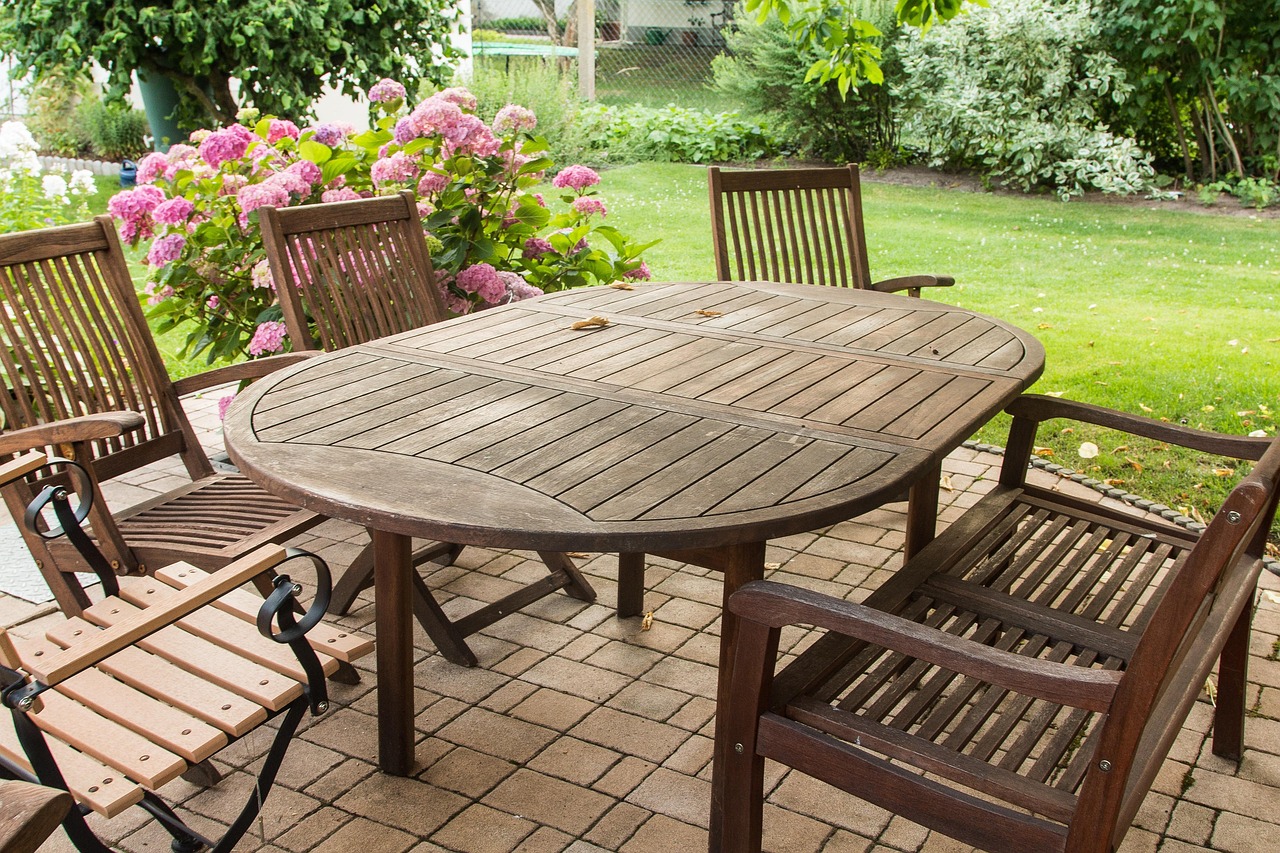
Garden furniture plays a vital role in creating inviting outdoor spaces where we can relax, entertain, and enjoy the fresh air. However, just under two-thirds (61%) of Brits have never replaced their garden furniture.
Storing furniture in a dry space during winter, cleaning it regularly, and using protective covers can ensure it remains a functional part of your outdoor space for years.
Lena says: “Garden furniture is constantly exposed to the elements, which can cause significant wear and tear if not properly maintained. Rain, wind, sun, and temperature fluctuations all take their toll on materials, leading to deterioration over time.
“Wooden furniture is particularly susceptible to moisture, which can cause rot, warping, or splitting, while metal pieces are at risk of rust and corrosion if they aren’t protected. Even synthetic materials like plastic or rattan can fade, crack, or become brittle when exposed to prolonged sunlight.
“For wooden furniture, consider applying a weatherproof sealant to preserve its durability, while metal items may benefit from a protective coating to prevent corrosion.
“Knowing when to replace your garden furniture is crucial to maintaining a safe and comfortable outdoor space. Signs that it’s time to invest in a new set include visible rot or soft spots in wooden furniture, which indicates water damage and weakened structural integrity. For metal furniture, any sign of rust, especially if it has penetrated the surface, can lead to instability and further deterioration.”
Lena Gierasinska shares 4 jobs that must be done before Spring arrives.
-
Find time for a deep clean
Lena says: “Early spring is the perfect time to give your garden furniture a thorough clean, before the weather truly warms up and you start using it daily. A deep clean with soapy water or specialist cleaner takes just an hour or two but will prevent mould, mildew, and dirt buildup, keeping your furniture looking its best all season.”
“For wooden furniture, use warm soapy water and a soft brush to lift dirt, then rinse thoroughly and let it dry completely. Metal furniture benefits from a wipe down with a damp cloth and rust treatment for any problem spots. Rattan and plastic can be washed with a mild detergent and a hose, just avoid pressure washers, as they can weaken the material over time.”
-
Refresh wooden furniture
Lena says: “To keep your wooden garden furniture in top condition, regular care is essential and the best approach depends on the type of wood. Materials like polywood are the easiest to maintain, simply clean it with warm, soapy water as needed.
“Teak should be washed occasionally with water and a soft brush to remove dirt, using a suitable teak cleaner once or twice a year and you should avoid power washers, as they can cause damage. Acacia benefits from an annual light sanding and reapplication of a PU coating. If your wooden furniture needs a refresh, aim to sand and re-coat it in March or April, when temperatures are consistently above 10°C but before the heat of summer.
“Regularly tighten screws, and when not in use, protect the furniture with a weatherproof cover, ensuring it is clean, dry, and well-ventilated before covering. You must avoid storing acacia in artificially heated spaces, as temperature fluctuations can cause cracking and if left uncovered in extreme weather, it may fade over time.
“For all wooden furniture, make sure to purchase protective mats for drinks or objects before the spring and summer months, which will help to prevent stains and damage.”
-
Make repairs before the warmer months
Lena says: “Spring is the ideal time to check for loose screws, rust, or weather damage on metal and rattan furniture. A quick maintenance check, taking no more than 30 minutes, can prevent minor issues from becoming costly repairs later in the season.”
“Tighten any loose screws and bolts to keep your furniture sturdy. For metal pieces, inspect for rust and treat it with a rust remover before applying a protective sealant. Rattan furniture can sometimes unravel so use a strong adhesive to reattach any loose strands. Dealing with these small issues early means your furniture will be safe and comfortable when the warm weather arrives.”
-
Protect your furnishings from April showers
Lena says: “Investing in good-quality covers or storage solutions in early spring can save you time and money in the long run. It only takes a few minutes to cover furniture when not in use, protecting it from April showers and extending its lifespan.”
“Choose breathable, waterproof covers that fit snugly but allow airflow to prevent condensation. If you have the space, storing cushions indoors or in a weatherproof storage box will keep them fresh and mould-free.”
To find out more about how to care for the furniture in your home, visit: https://www.barkerandstonehouse.co.uk/care-guides

| [donate]
| Help keep news FREE for our readersSupporting your local community newspaper/online news outlet is crucial now more than ever. If you believe in independent journalism,then consider making a valuable contribution by making a one-time or monthly donation. We operate in rural areas where providing unbiased news can be challenging. |