













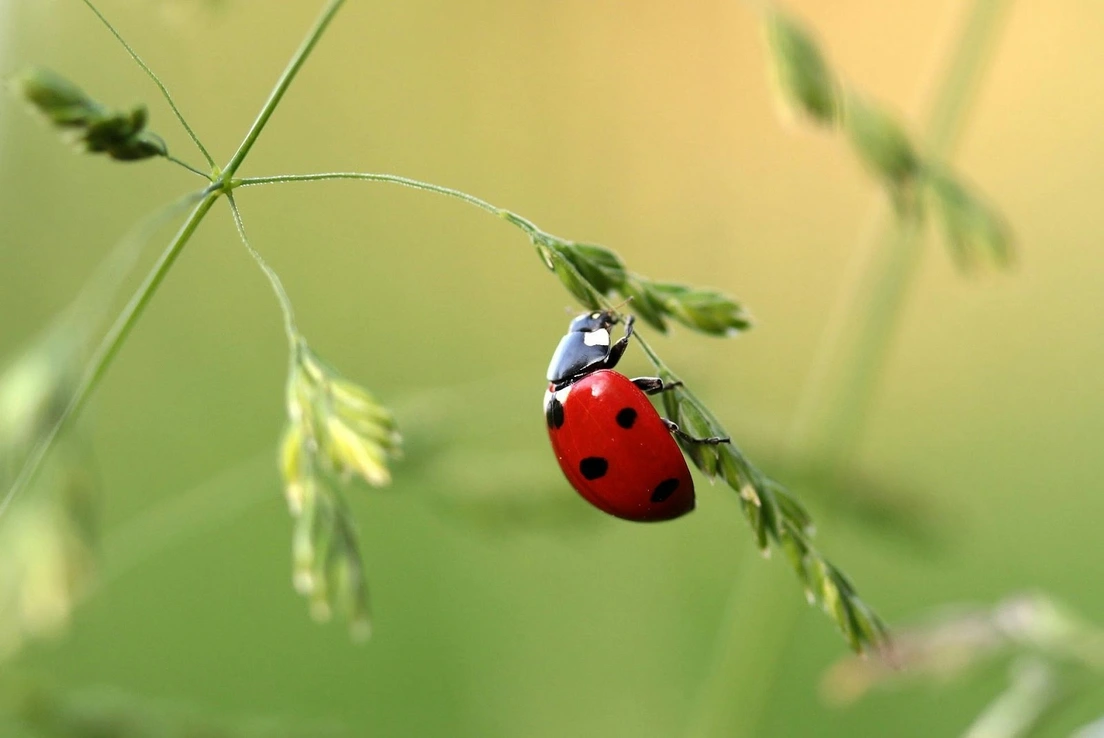

Brits are being urged to take action now to attract more ladybirds into their gardens – and protect precious plants from destructive pests over the summer. Outdoors experts at GardeningExpress.co.uk say the striking red insects are a gardener’s best friend, helping to keep populations of aphids, greenfly and scale insects under control without the need for chemical sprays.
Without these natural helpers, infestations can quickly get out of hand – especially during warm spells. A single ladybird can consume dozens of aphids a day, making them one of the most effective natural pest control solutions available. Both the adult beetles and their larvae feed on soft-bodied insects that commonly damage garden plants – including roses, vegetables and fruit trees. Ladybirds themselves are not plant eaters, so as the weather warms up and pest numbers rise, attracting them to your garden can help prevent pest outbreaks before they start.
Nick Wood, horticulture expert from online garden centre Gardening Express said:
“Ladybirds are one of the best natural pest control methods we have in the UK. Inviting them to your garden will help reduce the need for chemical sprays, protect your plants and support local wildlife at the same time. Creating a bug-friendly garden doesn’t mean letting it go wild – small changes like planting the right flowers or leaving a log pile can make a big difference.”
How to attract ladybirds to your garden:
1. Grow the right plants
Ladybirds are especially drawn to certain plants that either provide shelter or attract the pests they feed on. Herbs like dill and fennel, as well as flowers such as marigolds, nasturtiums and yarrow, are known to bring in aphids – which might sound bad, but actually helps draw in ladybirds looking for a food source. Interplanting these with your veg or flowers creates a natural pest control cycle that keeps your plants healthier in the long run.
2. Leave a little mess
Gardens that are too tidy can unintentionally drive away helpful insects. Leaving piles of dry leaves, logs, or even just a messy corner gives ladybirds a place to hide from predators and find shelter. These areas are particularly important for overwintering, as ladybirds look for dry, insulated spots to hibernate until spring.
3. Add a bug hotel
Installing a bug hotel, or even just tying together some hollow bamboo stems or drilled logs, can offer ladybirds a secure place to nest and rest. Position your bug house in a sunny, sheltered spot, ideally near flowering plants or vegetable beds where aphids are likely to appear. These simple structures also attract other beneficial insects like lacewings and solitary bees.
4. Let your garden go wild
A manicured lawn might look neat, but it doesn’t offer much to insects. Leaving a section of your garden to grow wild – with native wildflowers, longer grass, and flowering weeds like dandelions and clover – creates a mini-ecosystem that supports all sorts of beneficial wildlife. A more diverse garden attracts a wider range of insects, including ladybirds, which are more likely to stick around when food and habitat are abundant.

| [donate]
| Help keep news FREE for our readersSupporting your local community newspaper/online news outlet is crucial now more than ever. If you believe in independent journalism,then consider making a valuable contribution by making a one-time or monthly donation. We operate in rural areas where providing unbiased news can be challenging. |