














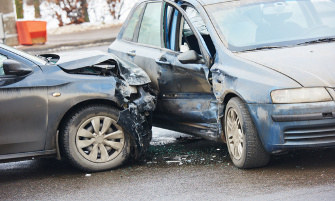

A T-bone accident happens when the front of one vehicle slams into the side of another, forming a “T” shape. These crashes are especially dangerous because the side of a car offers little protection. Broken bones, head injuries, and internal damage are common due to the direct impact.
When injuries are severe, victims often wonder who is at fault in a T-bone accident. Determining fault affects insurance claims and compensation. We’ll explain liability, common injuries, and steps to protect your rights.
Common Injuries from T-Bone Accidents
In a T-bone crash, the side of a vehicle takes the full force of the impact. That means the people inside are especially vulnerable to serious injury. Here are some of the most common types of harm we see after these accidents:
- Head and Brain Injuries: These include concussions, skull fractures, memory issues, and traumatic brain injuries (TBIs). Even a mild hit can have long-term effects.
- Neck and Spinal Injuries: Whiplash is common, but severe crashes can result in herniated discs or spinal cord injuries. According to the National Spinal Cord Injury Statistical Center, about 38% of spinal cord injuries in the U.S. are caused by vehicle accidents.
- Chest and Abdominal Injuries: Fractured ribs, internal bleeding, or damage to organs can occur from the force or from hitting parts of the car.
- Bone Fractures: Broken arms, legs, collarbones, or pelvis bones are frequent in side impacts.
- Soft Tissue Injuries: These include muscle strains, sprains, or cuts from glass and crushed metal.
Some injuries may not appear for hours or even days.
Establishing Fault and Liability
Determining fault in T-bone accidents often comes down to right-of-way violations. The driver who failed to yield—whether by running a red light, ignoring a stop sign, or making an unsafe left turn—is usually at fault.
Other common causes include speeding, distracted driving, or impaired driving. Sometimes, both drivers share blame. For example, courts may assign partial fault under comparative negligence laws if one ran a stop sign but the other was speeding.
Substantial evidence is crucial for proving liability. Police reports carry weight, but witness statements, photos of the scene, and traffic camera footage can make or break a case—even vehicle damage patterns help show who caused the crash.
The Injury Claim Process and Compensation
After a T-bone crash, seek medical help immediately—even if injuries seem minor. Document all treatments and save receipts for expenses. Gather evidence like photos, witness contacts, and the police report before reporting to insurance.
Compensation typically covers:
- Economic damages: Medical bills (current and future), lost wages, and vehicle repairs.
- Non-economic damages: Pain and suffering, emotional trauma, and reduced quality of life.
Insurance companies often lowball settlements. An attorney can handle negotiations, proving the full impact of your injuries to secure fair compensation.
Protecting Your Rights and Recovery
Never delay medical care—some serious injuries take days to surface. Keep detailed records of all doctor visits, treatments, and expenses.
Each state has different rules for injury claims. Understanding deadlines and liability laws helps avoid costly mistakes. Most importantly, don’t let insurers pressure you into quick settlements. Your right to full compensation matters most during recovery.

| [donate]
| Help keep news FREE for our readersSupporting your local community newspaper/online news outlet is crucial now more than ever. If you believe in independent journalism,then consider making a valuable contribution by making a one-time or monthly donation. We operate in rural areas where providing unbiased news can be challenging. |