














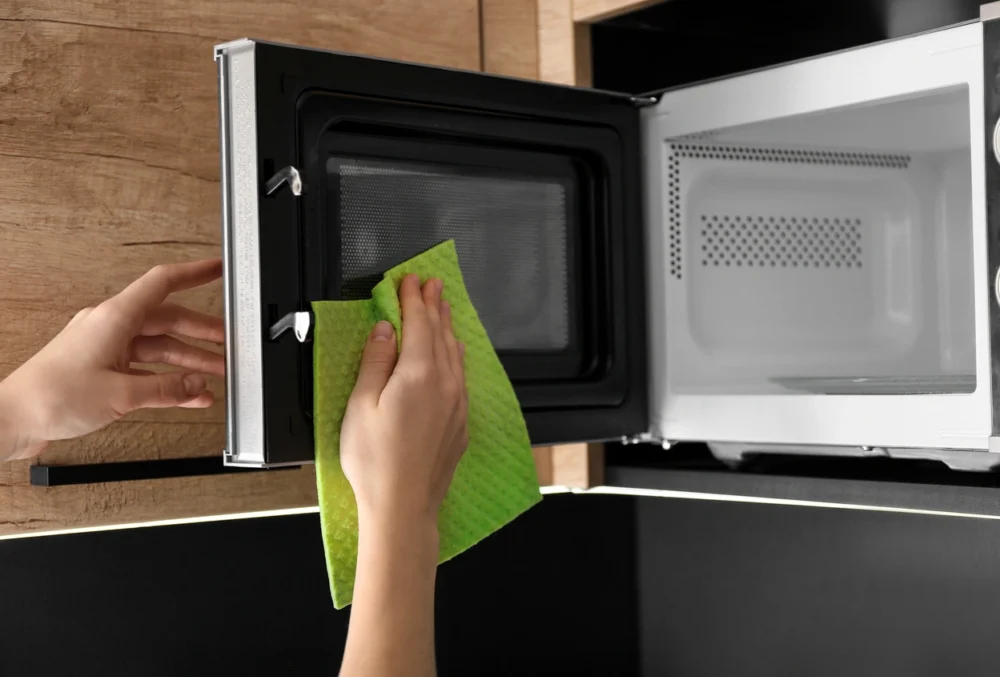

The microwave is a cornerstone of the modern kitchen, prized for its speed and convenience. However, to ensure it remains a safe and effective appliance, regular and thorough cleaning is essential. High Speed Training shares guidance on why this task is crucial for food safety and hygiene and how to clean a microwave effectively using simple, household items.
Rachel Gordon, Food Safety Researcher at High Speed Training said: “A clean microwave is not just about appearance; it’s a vital part of kitchen safety. Built-up food splatters can harbour harmful bacteria, create unpleasant odours that transfer to food, and in some cases, can even become a fire hazard. A dirty microwave can be a breeding ground for bacteria, which poses a risk of cross-contamination and food poisoning.
“Regular cleaning is a simple but non-negotiable step to ensure the food you heat or cook is safe for consumption. It also helps the appliance run more efficiently and extends its lifespan.
Why cleaning your microwave is important
- Prevents bacterial growth
- Reduces cross-contamination
- Eliminates odours
- Lowers fire risk
- Improves efficiency
- Preserves longevity
- Upholds legal responsibility: food businesses are legally required to maintain high levels of hygiene to ensure customer safety.
- Maintains food hygiene rating: a dirty microwave, seen by an Environmental Health Officer (EHO) during an inspection, will likely lower your business’s food hygiene rating.
How often should you clean your microwave?
How often you should clean your microwave depends heavily on usage, with microwaves in commercial kitchens needing more frequent and thorough cleaning than those in domestic settings.
Rachel Gordon continues: “A good rule of thumb is to wipe down the interior after every use to prevent food from hardening. Regardless of the setting, any spills should be cleaned up immediately to prevent them from becoming baked-on and harder to remove later.”
Microwave cleaning hacks
- Fill a microwave-safe bowl or jug with water. Slice a lemon in half, squeeze the juice into the water, and then drop the lemon halves in as well. If you don’t want to use lemon, you can alternatively use one tablespoon of baking soda/bicarbonate of soda, a few drops of dish soap, or 2 tablespoons of white vinegar.
- Place the jug in the microwave and heat on high power for 3-5 minutes, allowing the water to boil and create steam.
- Leave the door closed for a further 5 minutes after it has finished. The trapped, lemon-infused steam will soften dried-on food. Carefully remove the hot bowl and the turntable.
- Wipe the interior including the ceiling, sides, floor, and inside of the door with a damp cloth. The grime should lift away easily. The turntable can be washed in the sink with warm, soapy water.
Rachel Gordon continues: “Preventing mess is always easier than cleaning it. Simple habits like using a microwave cover to contain splatters and giving the interior a quick wipe after each use can make a huge difference.
“Don’t forget to clean the outside, especially the handle and buttons, as these are high-touch areas. And a final tip for shared kitchens – be mindful of microwaving foods with very strong odours, like fish, as these can linger. Consistent, small cleaning actions are the key to maintaining a hygienic and pleasant-to-use appliance.” For more tips and in-depth guidance, visit High Speed Training Hub, or our article: How to Clean a Microwave

| [donate]
| Help keep news FREE for our readersSupporting your local community newspaper/online news outlet is crucial now more than ever. If you believe in independent journalism,then consider making a valuable contribution by making a one-time or monthly donation. We operate in rural areas where providing unbiased news can be challenging. |