

















As summer fades and the cooler autumn air begins to settle over the UK, September can be an exciting month for gardeners. It’s the ideal time to plant perennials, giving them a strong head start to grow roots and bloom beautifully in the next year. British Garden Centres is here to share expert advice on the best perennials to plant in September, helping you create a garden full of colour and life year after year.
Why September?
Planting in September helps plants establish strong root systems in autumn’s mild, moist conditions, reducing transplant shock and avoiding summer heat stress. The still-warm soil encourages root growth while cooler air and rainfall ease plant stress. By planting perennials now, they can settle before winter and return stronger with fresh growth and blooms in spring and summer.
Our perennial picks
Peonies are loved for their lush, full blooms and delightful scent. When planted in September, their roots have plenty of time to establish during the cooler months, leading to spectacular flowers in late spring and early summer. Their large, often fragrant blooms in soft pinks, whites, and reds add a touch of elegance and charm that can transform any garden. They’re also highly durable, often thriving for decades with the right care.
Chrysanthemums are synonymous with autumn gardens. Their bright and bold flowers come in rich shades of yellow, red, orange, and purple, bringing warmth and vibrancy as other plants start fading. These robust perennials brighten borders and containers and keep gardens colourful well into autumn when many other flowers have finished.
Phlox is a favourite for gardeners looking for both colour and fragrance in their outdoor space in the late part of the year. Their dense clusters of flowers bloom over a long period, from summer through to autumn, in shades ranging from pure white to pink, purple, and red. Phlox plants add height, texture, and a sweet scent, attracting butterflies and pollinators to your garden.
Coreopsisbrings a cheerful burst of golden yellow to the garden. Known for its long flowering season and easy care, coreopsis is perfect for brightening up borders, edging, or containers. It’s also drought tolerant once established, helping your garden stay sunny and bright throughout the season.
Salvia offers striking spikes of flowers in blues, purples, reds, and whites. Its upright form adds vertical interest, while also attracting bees, butterflies, and other beneficial insects. Salvias thrive in sunny, well-drained areas and keep blossoming right into autumn. Their aromatic foliage adds another sensory layer to the garden and is a popular late garden favourite.
Sedumor stonecrop is a succulent perennial known for its fleshy leaves and clusters of pink or red flowers that bloom late into the year, making it a September star. Sedum is incredibly hardy and low-maintenance, perfect for adding texture and colour during autumn when many other plants begin to fade. Its blooms also attract pollinators well into the cooler months.
Rudbeckias stand out with their bright yellow petals and dark centres, bringing a cheerful splash of summer warmth well into the autumn months. These hardy plants are drought tolerant and attract butterflies, adding life and colour to your garden borders.
Nerines flower spectacularly in shades of pink, coral, and occasionally white, bringing a vivid splash of colour to the garden just as many other plants begin to fade. Flowering reliably from late summer into autumn, their slender, arching stems are topped with clusters of starry, spider-like petals that seem almost sculptural, perfect for late season displays in mixed borders, containers, or cut-flower arrangements. Nerines thrive in sunny, sheltered spots, rewarding the gardener with weeks of blooms.
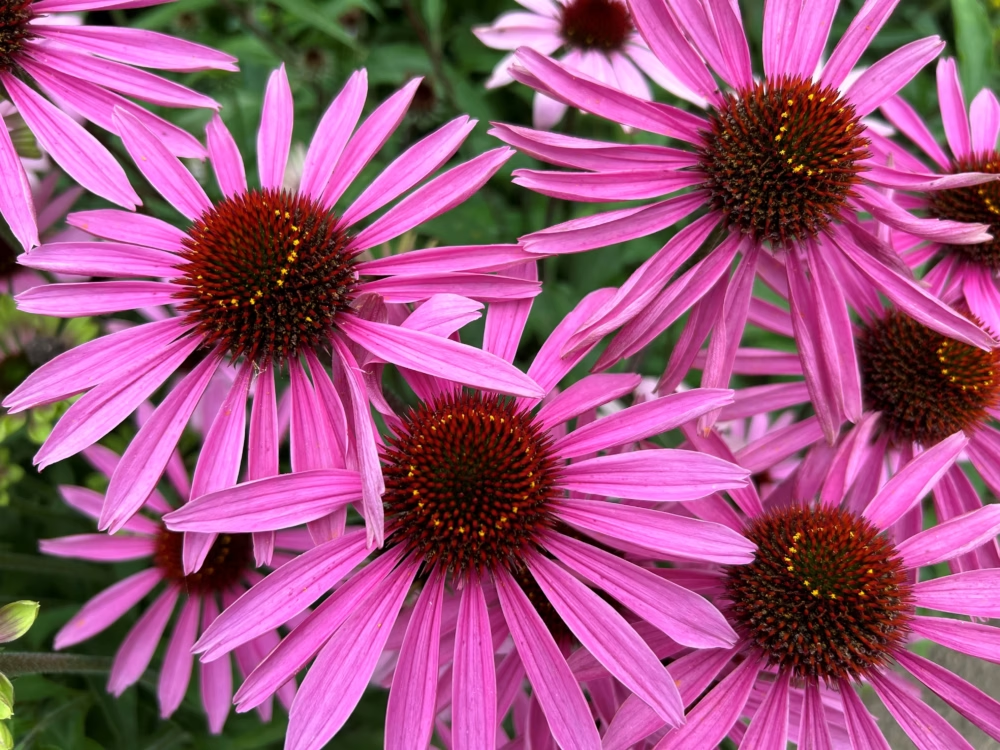
Echinacea is celebrated for both its herbal qualities and its striking garden display. These hardy perennials bear daisy-like flowers with raised central cones and petals in shades of pink, purple, white, or orange. Blooming from midsummer into autumn, they provide lasting colour and are highly attractive to bees, butterflies, and other pollinators. Their seed heads add winter interest and food for birds, making them as functional as they are beautiful.
Julian Palphramand, Head of Plants at British Garden Centres, said: “September is a wonderful time to get planting. By picking the right mix of perennials, you can enjoy a garden that’s full of changing colours and gentle fragrance from the first signs of spring right through to the end of autumn.”
British Garden Centres (BGC) is the UK’s largest family-owned garden centre group with 73 centres around the country. The group is owned and led by the Stubbs family, who also own and operate Woodthorpe Leisure Park in Lincolnshire.
BGC was launched in 1990 with the opening of Woodthorpe Garden Centre by brothers Charles and Robert Stubbs. Since 2018, it has expanded rapidly with the acquisition of 50 garden centres, allowing it to grow from its heartland to the business it is now, with 73 garden centres spread from Carmarthen to Ramsgate, Wimborne to East Durham.
The group has a team of 3000 colleagues working across the garden centres, restaurants, growing nurseries, distribution centres, Woodthorpe Leisure Park, and Woody’s Restaurant & Bar.

| [donate]
| Help keep news FREE for our readersSupporting your local community newspaper/online news outlet is crucial now more than ever. If you believe in independent journalism,then consider making a valuable contribution by making a one-time or monthly donation. We operate in rural areas where providing unbiased news can be challenging. |