
















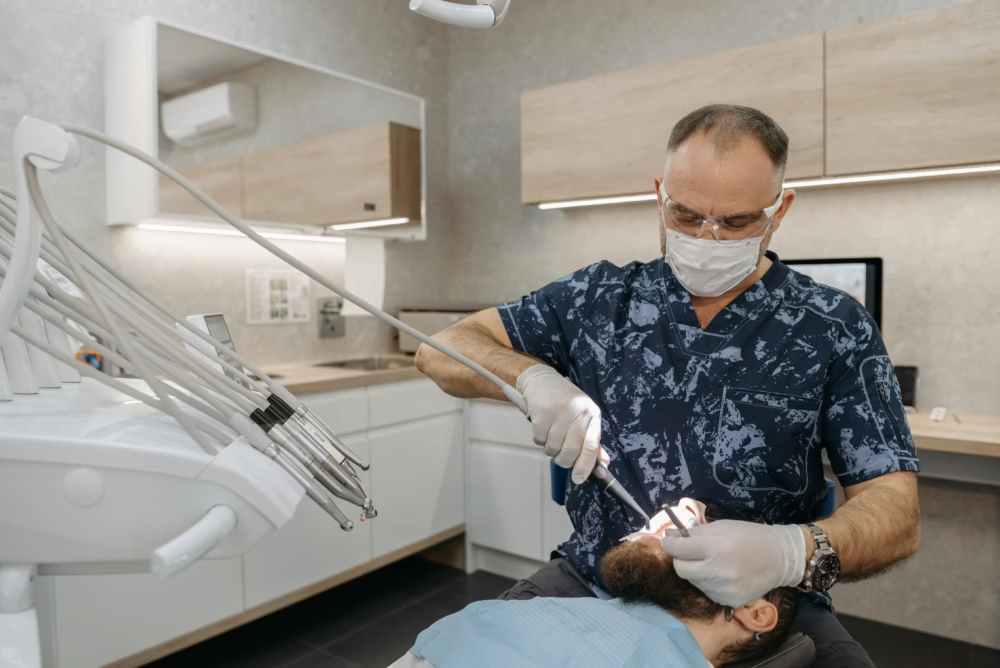

Nearly half of UK adults (44%) admit to feeling anxious about visiting the dentist, according to a 2024 survey. Among those who experience anxiety, three-quarters say it has led them to delay or avoid appointments, putting their oral health at risk.
Supporting this, the UK Adult Oral Health Survey 2021 (which is the latest government data) found that around 12% of adults report extreme dental anxiety, while 42% have moderate anxiety, highlighting that dental fear affects millions across the country.
What Causes Dental Anxiety?
According to experts at Smile n Shine, the most common triggers include:
- Fear of pain – often linked to past negative experiences.
- Needles and injections – one of the top sources of anxiety in dental care.
- Sounds and smells – drills, suction, and antiseptics can act as powerful stress triggers.
- Loss of control – lying back in the chair can make some patients feel trapped.
- Embarrassment – about the condition of teeth or being judged by a dentist
Speaking on the findings, Dr Bhavika Parekh, General Dental Surgeon at Smile n Shine said: “Dental anxiety is far more common than many people realise, affecting millions of adults across the UK. The good news is that there are practical, proven ways to manage it. By talking openly with your dentist about your concerns, starting with smaller, manageable steps, and using simple coping strategies such as breathing techniques or distractions, patients can gradually build confidence. Taking control in this way means that fear no longer has to stand in the way of maintaining good oral health, allowing regular check-ups and treatments to become a much more positive experience.”
Dr Parekh then went on to share their top tips on how to tackle dental anxiety.
- Talk to Your Dentist
“Dentists are trained to support nervous patients, but they can only help if they know how you’re feeling.”
Being open about fears before treatment, whether about pain, injections, or the sound of the drill allows dentists to tailor their approach such as longer appointments or step-by-step explanations.
- Bring a Distraction
“Music, podcasts, or even stress balls can help shift focus away from the treatment.”
Headphones or guided breathing exercises can reduce anxiety triggers and make the appointment feel shorter and calmer.
- Use Relaxation Techniques
“Controlled breathing or mindfulness can lower heart rate and ease tension.”
Patients who practise relaxation before and during appointments often find their anxiety decreases over time, making visits easier.
- Start Small
“You don’t need to dive straight into complex treatments.”
Booking a simple check-up or hygiene appointment first helps build confidence. Gradual exposure allows patients to get comfortable in the dental chair before moving on to bigger procedures.
- Explore Support Options
“For those with severe anxiety, options like conscious sedation and inhalation sedation such as gas and air can help.”
Sedation dentistry provides a safe way to stay relaxed during treatment. Practices can also recommend local support groups or resources for those with dental phobia.

| [donate]
| Help keep news FREE for our readersSupporting your local community newspaper/online news outlet is crucial now more than ever. If you believe in independent journalism,then consider making a valuable contribution by making a one-time or monthly donation. We operate in rural areas where providing unbiased news can be challenging. |