












This weekend the Formula 1 season heads for it’s dramatic conclusion in Abu Dhabi. While engineers focus on optimising the cars, the drivers focus on their own machinery…their bodies!
Behind the wheel, F1 drivers endure physical forces equivalent to landing a jet. The relentless G-force, intense heat, and cognitive overload during a Grand Prix can cause drivers to sweat off up to 4kg of fluid and burn roughly 1,500 calories (the equivalent to a 2 hour cardio workout). This level of intensity requires a diet of absolute precision, that’s rich in protein, carbs and nutrients.
A registered nutritionist has dived into the highly specialised diets of F1 drivers, some of the fittest athletes in the world, to reveal the essential ingredients for staying lean and laser focused during the racing season.
The Three Fuels of an F1 Champion’s Diet
Registered Nutritionist and Recipe Development Manager, Lily Keeling from recipe box delivery service Green Chef outlines the three core principles that define a Grand Prix diet:
- Carbohydrates – for energy
“F1 drivers are essentially endurance athletes disguised as sprinters,” says Lily. “They therefore need to consume between 4 to 7 grams of carbohydrates per kilogram of body mass per day to fuel the brain for precision focus. Carbs such as quinoa, brown rice, or sweet potatoes are perfect for releasing energy slowly and keeping blood sugar stable, essential for a two hour race.”
She adds, “This approach means prioritising unrefined, high-fibre carbohydrates, ensuring maximum nutrient intake alongside sustained energy.”
- Protein – for preservation
“Protein is needed for both recovery and preservation,” Lily comments. “With the intense G-forces and core strain, drivers need approximately up to 2 grams of protein per kilogram of body mass daily to repair and maintain muscle, especially in the neck and core.”
She adds, “They look for the leanest sources, such as chicken and fish, or high quality plant proteins for the likes of Lewis Hamilton, including options like tofu, tempeh, lentils and quinoa.”
- Nutrients – for reflexes
F1 drivers require both physical and mental strength. Lily notes, “A driver’s reaction time is their secret weapon, and that’s entirely supported by micronutrients and hydration.”
Intense cockpit heat causes significant fluid loss, necessitating a high intake of electrolytes and antioxidants to combat the extreme stress on their bodies.
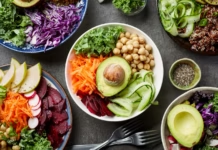
She adds, “This means regularly consuming foods like oily fish (for Omega-3s), avocados, turmeric, and bright, leafy greens. Lily concludes “A diet high in fresh, varied produce is the most effective way to ensure optimal cognitive performance.”

| [donate]
| Help keep news FREE for our readersSupporting your local community newspaper/online news outlet is crucial now more than ever. If you believe in independent journalism,then consider making a valuable contribution by making a one-time or monthly donation. We operate in rural areas where providing unbiased news can be challenging. |