











Wildlife lovers are being urged to take actions in the new year to make a difference to declining local species. Ecologists at Arbtech.co.uk are urging Britons to rethink their garden habits and focus on helping wildlife in 2026 and beyond.
This comes after a survey from the ecology experts revealed that one in three Brits take no action at all to help local wildlife, despite 89% saying they’re concerned about the reduction of wildlife in the UK. Households are encouraged to reduce their carbon footprint wherever possible – with some targeted advice for increasing biodiversity in gardens.
Small actions such as starting a compost heap, reducing use of chemicals, providing a water source and doing some wildlife friendly gardening can all make a big difference. Fay Brotherhood, Senior Ecologist from Arbtech said: “As we head into 2026, we really want people to think about their gardening habits and some of the negative ways they may be impacting local wildlife
“No matter how big or small your outdoor space, there are simple ways to encourage wildlife and help to support local biodiversity. People often underestimate how quickly nature responds when we give it the resources it needs, but it doesn’t take much to make a big impact. We are encouraging people to make a difference in the new year by installing a bird box, providing a water source or doing some wildlife-friendly gardening. There are also completely cost-free ways to help, including creating your own compost heap.”
Here are seven easy ways to help wildlife, from Arbtech:
- Install a bird box
Installing a bird box is a simple and effective way to support nesting birds, particularly in areas where natural tree cavities or dense shrubs are limited. It’s important to consider the type of birdbox too, as different species have their own preferences. Many birds prioritise safety and shelter by nesting in boxes with small entrance holes, while robins often nest in boxes with an open front.
Avoid placing bird boxes in the reach of predators like cats, rats and squirrels. Height is also an important factor in bird box placement, and the height from the ground depends on what species of bird you are hoping to attract.
- Offer a water source
Providing a reliable source of water year-round will benefit a variety of wildlife in your garden. If possible, offer different types of water sources – a purpose made bird bath and a simple bowl on the ground will attract different species. Position water near a tree or shrub, and ensure it’s easy to access for cleaning and refilling throughout the year.
- Wildlife-friendly planting
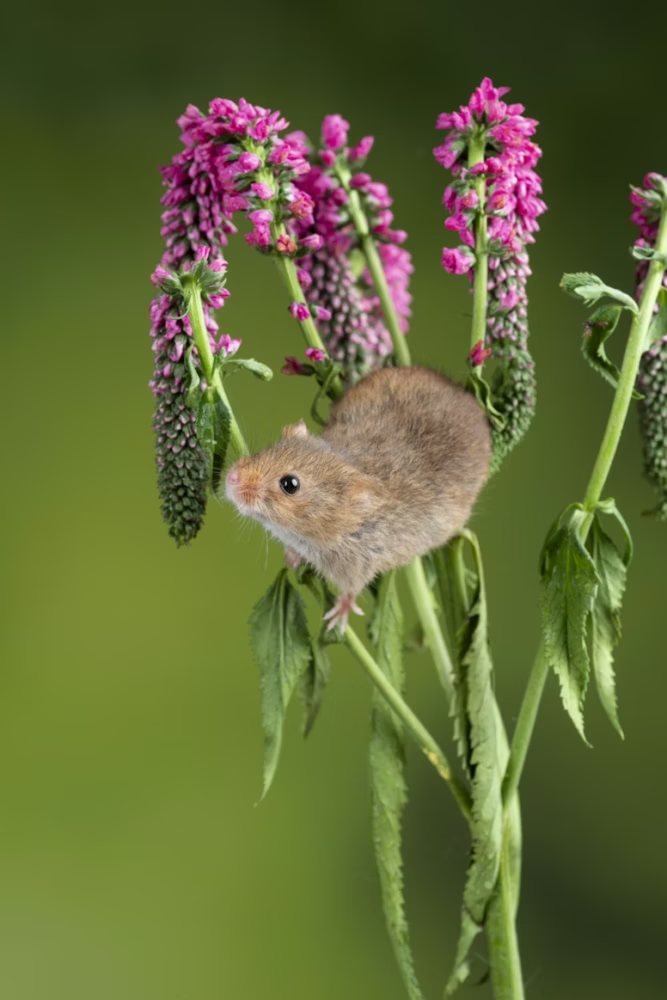
Planting wildlife-friendly food sources is essential for supporting local ecosystems. Native shrubs and trees offer berries for birds and food for insects like caterpillars. Nectar-rich flowers are invaluable for pollinating insects like butterflies and bees. When planting nectar-rich flowers, choose a sunny sheltered spot, select plants which will flower throughout the different seasons, and make sure to add herbs too, as they are highly attractive to insects.
- Leave areas of long grass for wildlife
You can make a big impact by simply leaving areas of your garden, and not over-gardening them. Leaving areas of long grass throughout the year transforms your garden into a biodiverse habitat. Small insects will find shelter and comfort in the vegetation, while providing food for hedgehogs.
- Weeds are not your enemy
Weeds are simply wildflowers, and common weeds like dandelions and nettles can be a vital source of pollen and nectar. Other weeds like thistles can provide seeds for birds. They can also provide shelter and habitat for smaller local wildlife, often acting as nesting sites for birds.
- Create a compost heap
A super affordable way to make a difference from your garden is to start a compost heap. Use items like grass, egg shells, leaves, coffee grounds, tea leaves and shredded newspaper. Make sure to position your heap in a shady area and keep it covered. These heaps provide a habitat and food source for many local wildlife species. Composts also come with other benefits like increasing the fertility and water retention of your soil.
- Reduce your chemical use
Using common chemicals like pesticides and fertilisers in the garden disrupts biodiversity by killing most species they come into contact with. Pesticides are unable to distinguish between ‘pests’ and beneficial insects like butterflies and bees. Chemicals in gardens can also harm local bird species. In order to help local wildlife, you should look to reduce or completely stop using chemicals in your garden.

| [donate]
| Help keep news FREE for our readersSupporting your local community newspaper/online news outlet is crucial now more than ever. If you believe in independent journalism,then consider making a valuable contribution by making a one-time or monthly donation. We operate in rural areas where providing unbiased news can be challenging. |